| Category | Estimated deaths during July 1936 |
|---|---|
| Military combat | 3,000–5,000 |
| Immediate executions (Nationalist zones) | 5,000–8,000 |
| Immediate executions (Republican zones) | 1,500–3,000 |
| Civilian casualties from fighting | 1,000–2,000 |
| Estimated total | 10,000–18,000 |
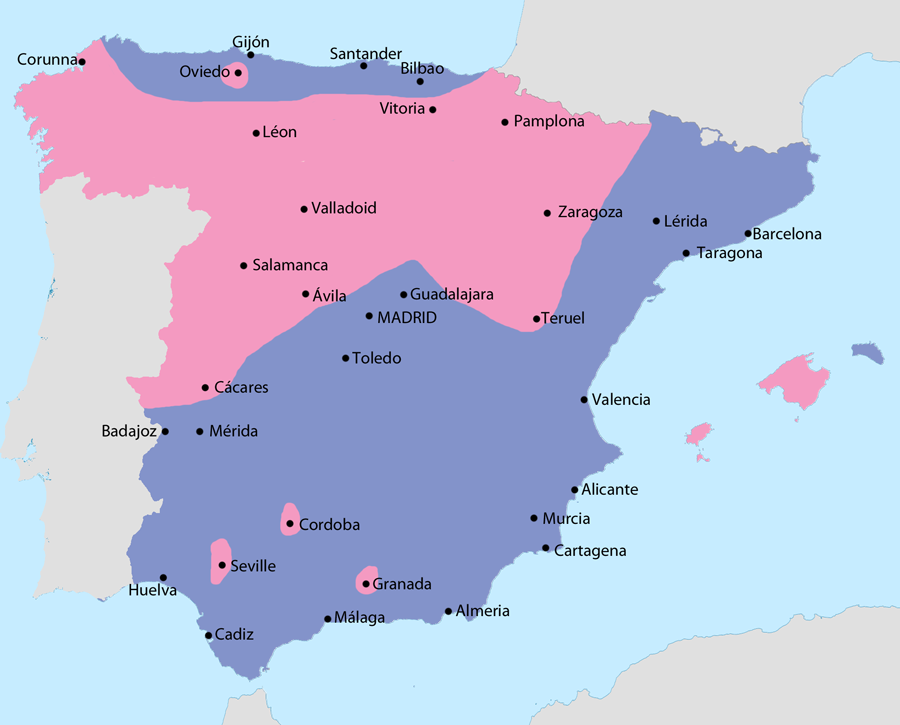
By the end of July 1936, the military uprising that had begun two weeks earlier had failed to achieve its central objective. The rebels had not overthrown the Second Spanish Republic, but the Republic had also failed to destroy the rebellion during its vulnerable opening days. The Nationalists controlled much of conservative rural Spain, including Navarre, Galicia, Old Castile, and important areas of Aragón and Andalucía. They also held Spanish Morocco, the Canary Islands, and the Balearic Islands with the exception of Menorca. Strongholds like Seville and Zaragoza remained securely in rebel hands, while the Army of Africa continued arriving from Morocco with increasing assistance from Germany and Italy.
The Republic retained Madrid, Barcelona, Valencia, Bilbao, much of the Mediterranean coastline, Asturias, the Basque Country and many of Spain’s largest industrial centres and population hubs. It also retained much of the navy. Republican Spain was far from politically unified. The government remained in existence, but power was increasingly shared with trade unions, workers’ organisations, revolutionary committees, regional governments, and armed militias that had emerged during the defeat of the coup. Different political systems, social priorities, and visions of the country’s future were beginning to emerge on either side of the conflict. In Nationalist territory, military authority, conservative Catholicism, anti-communism, hierarchy, and national unity became central themes. In Republican territory, anti-fascism increasingly combined with labour militancy, regional autonomy movements, social revolution, and competing political agendas.
The military situation remained uncertain. The Nationalists had survived the failure of the initial coup largely because they retained control of important military centres and because foreign assistance allowed troops from the Army of Africa to reach mainland Spain. German and Italian aircraft were now playing a direct role in sustaining the rebellion. At the same time, Britain increasingly promoted non-intervention while France remained divided over how far support for the Republic should extend.
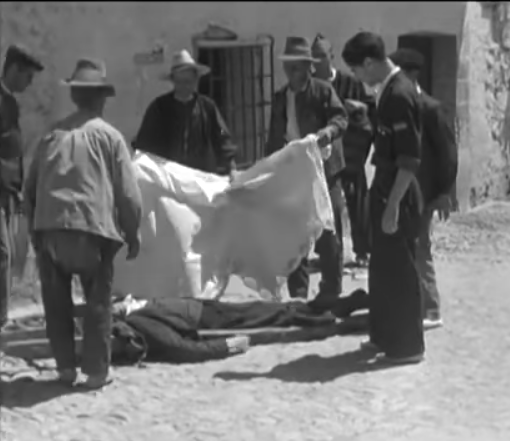
Not all of the war’s victims died on battlefields. By the end of July, many provinces far from the major fronts had already experienced arrests, imprisonments, and executions. In Nationalist-controlled areas, trade unionists, teachers, Republican officials, labour organisers, socialist councillors, and left-wing activists were being targeted as military authorities consolidated power. In Republican-held regions, clergy, religious figures, conservative politicians, military officers, and suspected supporters of the rebellion faced violence in some areas where state authority had weakened or collapsed. Many places that appeared calm on military maps were anything but peaceful. Provinces like Valladolid, Burgos, Salamanca, Logroño, much of Galicia, and large parts of Navarre saw little front-line combat, repression continued behind the lines. Elsewhere, communities lived amid uncertainty, rumours, denunciations, and fear. For many civilians, the war was experienced through arrests, disappearances, prison cells, and the loss of neighbours, friends, and family members.
In Toledo, the Siege of the Alcázar continued under worsening conditions. In Aragón, militia columns struggled to advance toward Zaragoza. In the Basque Country, Bilbao remained loyal to the Republic while nearby Navarre served as one of the rebellion’s strongest strongholds. Across Spain, local conflicts increasingly became part of a wider national struggle. For ordinary people, daily life had been transformed in less than two weeks. Railway lines were disrupted, communications unreliable, and travel increasingly dangerous. Families found themselves separated by front lines and political boundaries that had appeared with astonishing speed. Newspapers carried contradictory reports, while rumours often travelled faster than verified information.
Unlike many parts of Spain that had fallen firmly under Nationalist control by the end of July 1936, Catalonia, Madrid, Valencia and much of eastern Aragón remained under Republican authority. As a result, the pattern of repression in these regions differed significantly. Many of those who died during the first days of the military uprising were killed in open combat while defending or attacking barracks, government buildings, bridges or strategic positions. As the fighting subsided and Republican control was consolidated, a second phase occurred. Those targeted included military officers involved in the uprising, members of the Falange and Carlist organisations, clergy, conservative politicians, landowners, business owners and civilians accused of supporting the rebellion, though at this stage, these people were caught and arrested, with deaths happening on a small scale. In many places these killings were carried out not on the battlefield but after prisoners had surrendered, been arrested or were removed from prisons and detention centres.
These regions were also more geographically complex than much of Nationalist-held Spain. Aragón in particular was divided between Republican and Nationalist zones almost from the outset, with an active front separating them by the end of July. Consequently, this article distinguishes between deaths sustained in combat during the uprising or on the developing front lines and acts of repression where Republicans were being killed in mass executions, carried out behind those lines once effective control had been secured. The focus throughout remains on victims of political repression rather than battlefield casualties.
| Region | Province | Nationalist-held by end of July | Republican-held by end of July |
|---|---|---|---|
| Catalonia | Barcelona | None | Entire province |
| Girona | None | Entire province | |
| Lleida | None | Entire province | |
| Tarragona | None | Entire province | |
| Valencia | Valencia | None | Entire province |
| Castellón | None | Entire province | |
| Alicante | None | Entire province | |
| Aragón | Zaragoza | Zaragoza city, western and central districts, including Tarazona, Calatayud, Ejea de los Caballeros and surrounding countryside | Eastern fringe around Caspe and the advancing Aragón front |
| Huesca | Huesca city, much of the north and west | Eastern districts, including Fraga and areas bordering Catalonia; developing front around the provincial capital | |
| Teruel | Teruel city and most of the province | Eastern border districts and isolated frontier villages near Catalonia and Valencia | |
| Madrid* | Madrid | Sierra de Guadarrama positions captured by rebel columns (including Alto del León and nearby mountain positions) | Madrid city and almost the entire province |
| New Castile*
|
Toledo | Alcázar of Toledo and surrounding Nationalist enclave; western districts bordering Ávila and Cáceres | Toledo city outside the Alcázar, plus most of the province |
| Ciudad Real | None | Entire province | |
| Cuenca | None | Entire province | |
| Guadalajara | Small Nationalist footholds in the Sierra north-west after late July advances | Guadalajara city and the great majority of the province |
While Madrid was technically part of the New Castile/Castilla La-Mancha until 1982, I have added the area separately, as its situation is complex. Albacete is with Murcia, in the 29 July round-up.
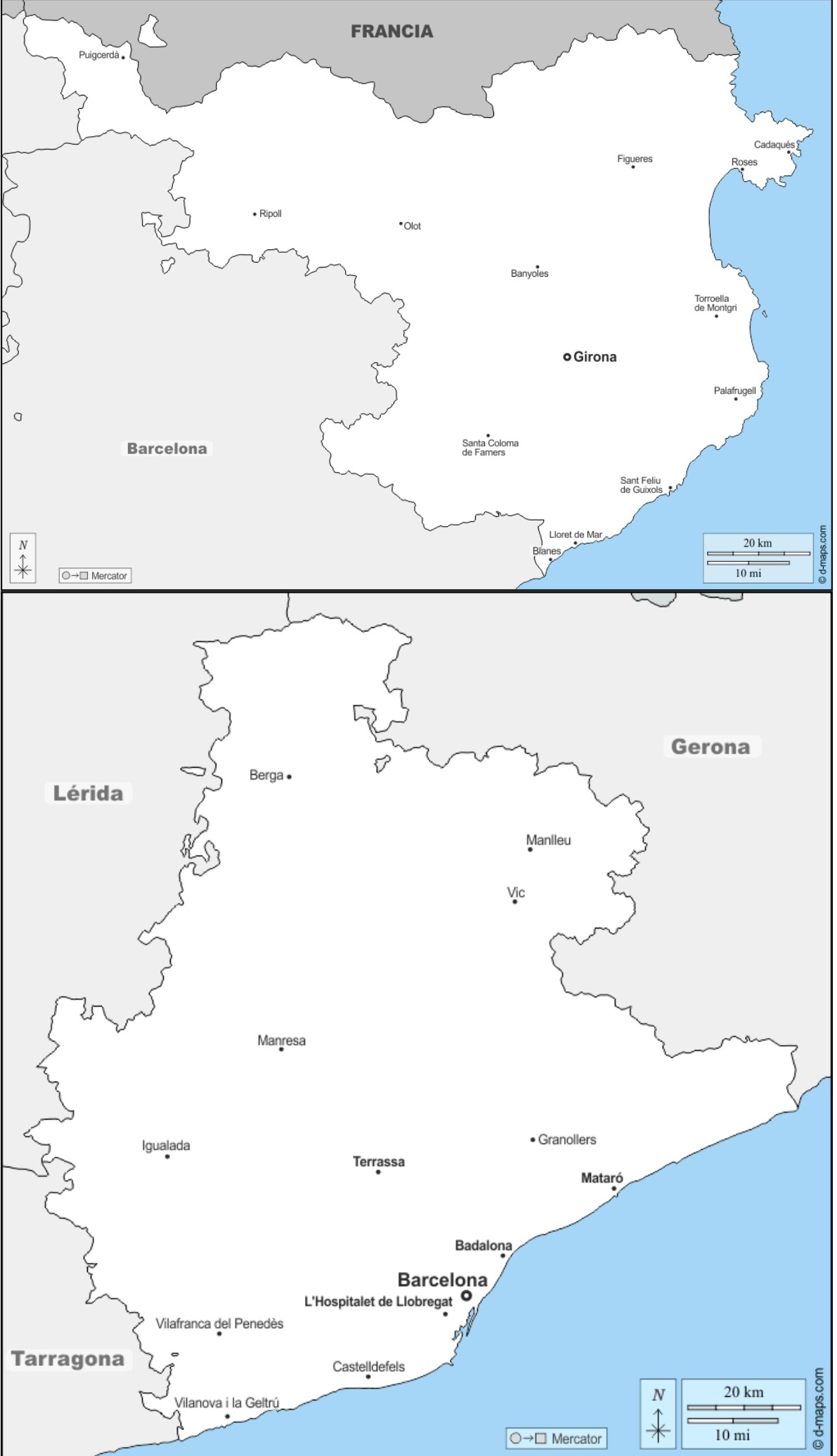
- Barcelona Province, Catalonia
- Republican-held: Entire province
- Nationalist-held: None
By the end of July 1936, Barcelona Province and its 2.4 million people were firmly under Republican control. The military uprising had been decisively defeated within two days, and there were no organised Nationalist forces operating anywhere in the province. Although fighting had ceased, political authority remained unsettled. The Generalitat continued to function, but real power was increasingly shared with the revolutionary organisations that had defeated the uprising, particularly the CNT and FAI. The newly established Central Committee of Anti-Fascist Militias coordinated the mobilisation of volunteers, while thousands of militia members were leaving Barcelona for the developing Aragón front. The province itself was no longer a battlefield, it had become the political, industrial and military heart of Republican Catalonia. But Barcelona was not just its city of 1 million people, the province had another 2.3 million people, due to the area being an industrial belt, and the revolution needed to take a tone suitable for urban and rural lives alike.
Most deaths within the province had occurred during the fighting of 19–20 July. Contemporary estimates suggest that between 300 people were killed during the uprising in Barcelona city alone, including loyal security forces, militia members and civilians caught in the fighting, and another 200 rebels were killed. Following the surrender of the remaining military positions, large numbers of officers, soldiers and suspected civilian supporters of the rebellion were arrested. Many were imprisoned in existing prisons or improvised detention centres while their cases were investigated.
As the revolutionary organisations consolidated control, political violence increasingly replaced military combat. Arrests spread across Barcelona and the surrounding municipalities, targeting military officers associated with the uprising, members of the Falange, conservative politicians, clergy and civilians denounced as supporters of the rebellion. During the final week of July, extrajudicial executions began to occur with increasing frequency, although they remained localised rather than centrally organised. Victims were commonly removed from places of detention or killed on the outskirts of towns, while churches, convents and other religious buildings throughout the province were attacked during the wider wave of anti-clerical violence. The number of executions during July cannot be established with certainty, but they remained substantially fewer than the mass military repression then taking place in Nationalist-held provinces, as Republicans were more interested in getting into Aragón to stop violence there.
- Girona Province, Catalonia
- Republican-held: Entire province
- Nationalist-held: None
By the end of July 1936, Girona Province and its 350,000 people remained firmly under Republican control. The military uprising had collapsed quickly, and there was no organised Nationalist military presence or active front within the province. Although militia units and volunteers travelled south and west towards Barcelona and Aragón, Girona itself remained one of the quieter provinces of Republican Spain. Its greatest strategic importance lay in its border with France, which increasingly became a route for refugees, volunteers and supplies entering Catalonia.
Following the failure of the uprising, Republican authorities and revolutionary committees arrested a number of military officers, Falangists, conservative politicians, clergy and civilians suspected of supporting the rebellion. Churches and religious property were attacked in several towns during the wider wave of anti-clerical violence that swept Catalonia. While a number of extrajudicial executions did occur during the latter half of July, they remained relatively limited in both scale and frequency compared with Barcelona Province or the mass repression taking place in Nationalist-held Spain. For most communities, the province remained politically tense but militarily quiet. By 31 July 1936, no front existed within the province, and public life was safe and increasingly shaped by revolutionary committees rather than armed conflict.
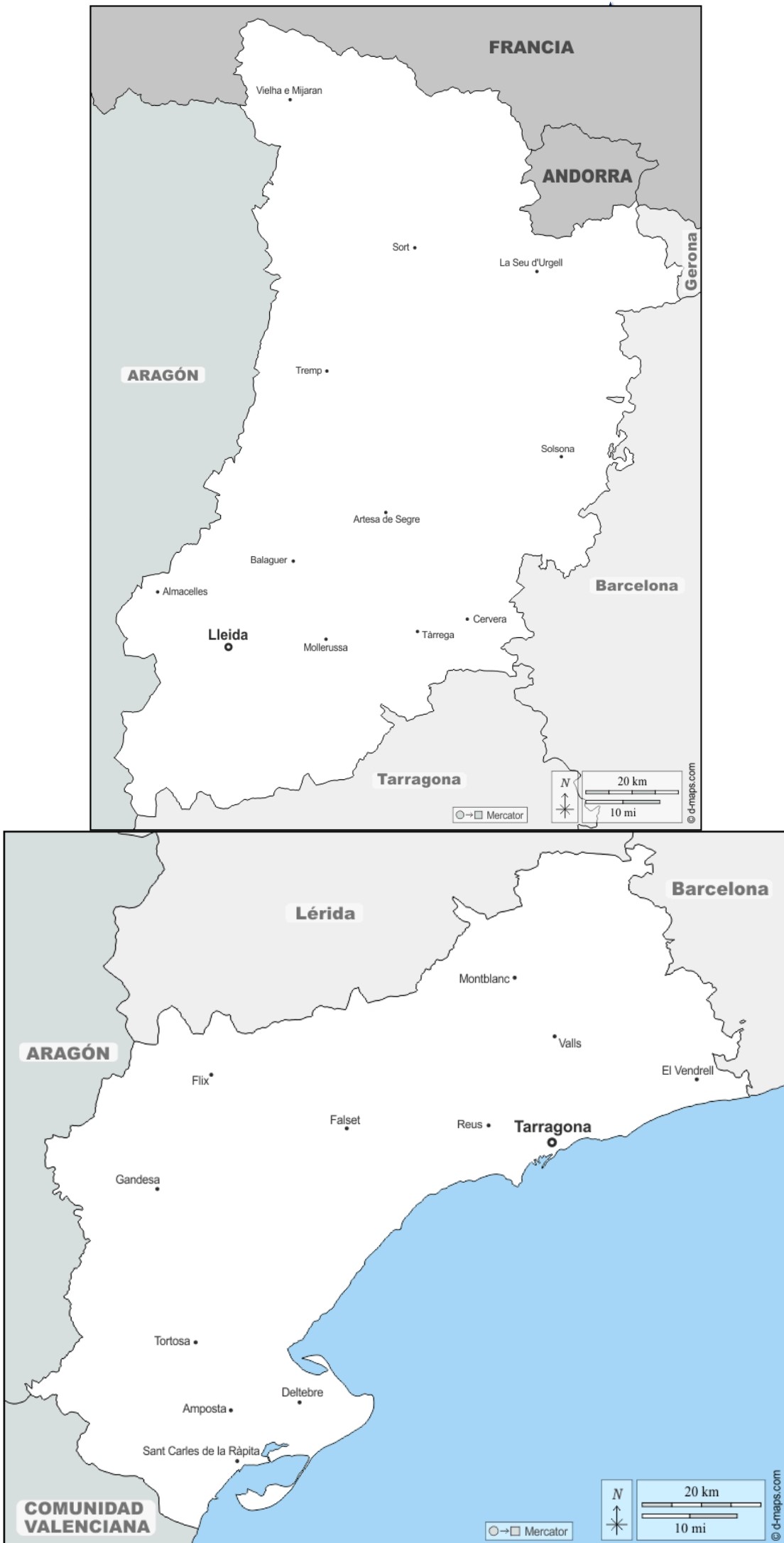
- Lleida Province, Catalonia
- Republican-held: Entire province
- Nationalist-held: None
By the end of July 1936, Lleida Province remained under complete Republican control, although its position on the border with Aragón made it markedly different from the rest of Catalonia. There was no organised Nationalist presence within the province itself, but the roads and railways leading west carried a continual flow of militia columns, weapons and supplies towards the developing Aragón front. While Lleida remained peaceful for its 360,000 people, it had already become one of the Republic’s principal military staging grounds.
Following the defeat of the uprising, arrests were carried out against military officers, members of the Falange, clergy and civilians suspected of supporting the rebellion. Revolutionary committees assumed considerable influence in many towns, and churches and religious institutions were frequently occupied, damaged or destroyed, though activities were overshadowed by the growing military activity taking place just beyond the provincial boundary in Aragón. By 31 July, Lleida Province was defined by its role in supporting the Republican offensive towards Zaragoza and Huesca, and the province’s greatest significance lay in its proximity to the expanding front.
- Tarragona Province, Catalonia
- Republican-held: Entire province
- Nationalist-held: None
By the end of July 1936, Tarragona Province, population 300,000 remained securely under Republican control. There was no organised Nationalist military presence and no active front within the province and daily life was generally more stable than in Barcelona, with the province serving primarily as an important communications corridor linking Catalonia with Valencia and the emerging Aragón front. By 31 July, Tarragona Province had become a secure Republican area, while political authority continued to evolve as Republican institutions and revolutionary organisations adjusted to the realities of a prolonged civil war.
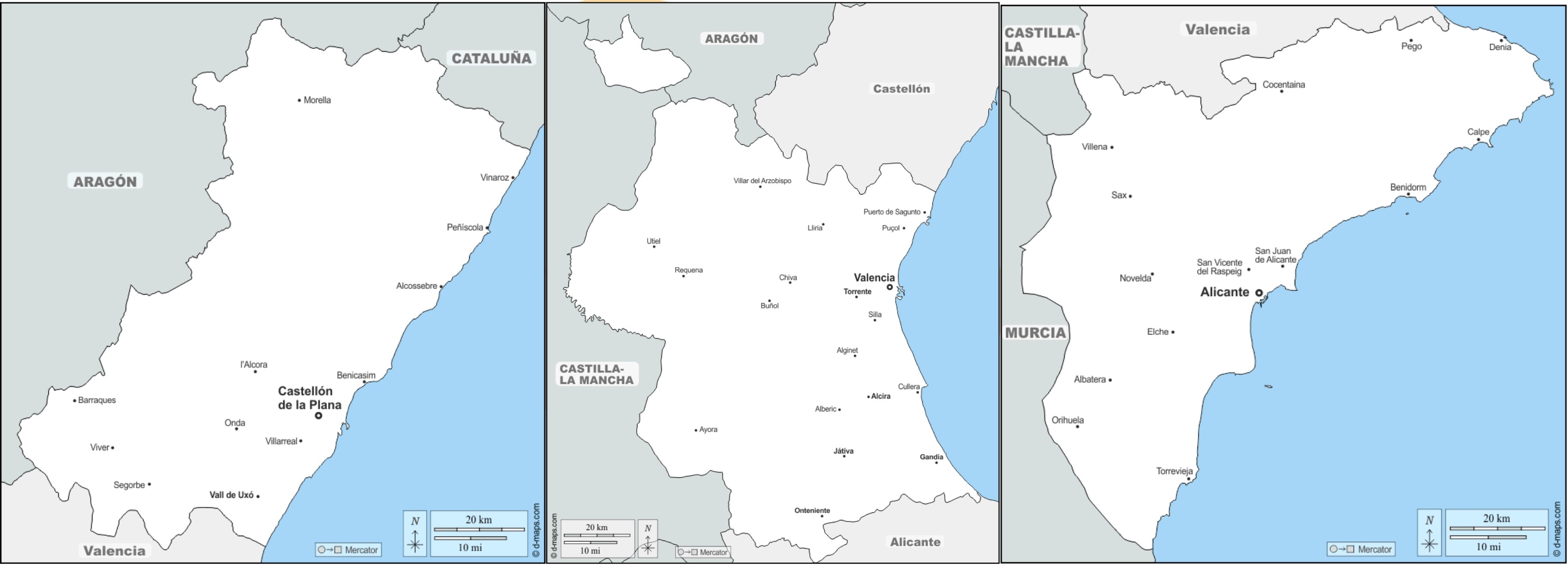
- Valencia Province, Valencia
- Republican-held: Entire province
- Nationalist-held: None
By the end of July 1936, Valencia city and province remained firmly under Republican control. The military uprising had failed to gain any lasting foothold, and there was no organised Nationalist military presence or active front within the province. Although political power increasingly shifted towards workers’ organisations and local revolutionary committees, the provincial and municipal authorities continued to function for its 1,000,000 inhabitants, to a greater extent than in many other Republican regions. Valencia rapidly emerged as an important administrative, industrial and logistical centre supporting the Republican war effort.
The defeat of the uprising was followed by arrests of military officers involved in the conspiracy, members of the Falange, conservative politicians, clergy and civilians suspected of supporting the rebellion. Churches and religious buildings were attacked in several towns, while a number of extrajudicial executions took place during the final week of July. However, and the large-scale killings that later characterised parts of Valencia Province had not yet begun. For most of July, the principal activity consisted of arrests, searches, the seizure of property and the establishment of revolutionary authority. By 31 July 1936, Valencia was one of the Republic’s most stable areas. Military operations were absent, and although political tensions remained high, the province’s greatest importance lay in its growing role as a centre of communications, industry and supply for the Republican war effort. But Valencia city rapidly transformed into one of Republican Spain’s principal centres for recruiting and organising volunteer militia columns. Trade unions, political parties and workers’ organisations established recruitment centres throughout the city as thousands of men and women volunteered to defend the Republic.
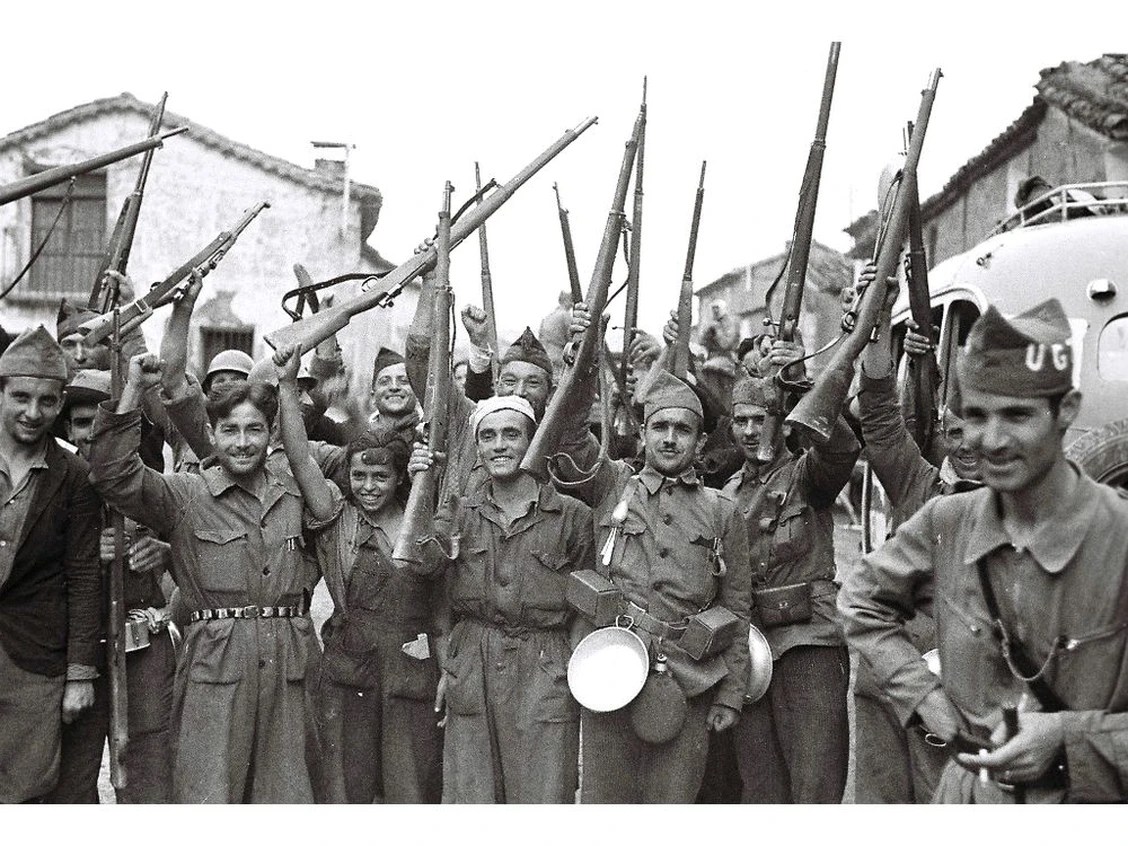
Barcelona’s columns departed in highly publicised formations, but Valencia’s mobilisation occurred in successive waves. Throughout the final week of July, newly formed columns assembled, received whatever weapons could be obtained, and departed by road and rail towards the Teruel and Aragón fronts. Others reinforced positions in neighbouring Cuenca and Castellón while additional volunteers continued to arrive for training. The volunteers represented the broad coalition supporting the Republic. CNT and UGT trade unionists stood alongside members of the Socialist Party (PSOE), Communist Party (PCE), Republican parties and unaffiliated civilians. Many had little or no military experience, but enthusiasm often compensated for the lack of organisation during these first weeks of the war.
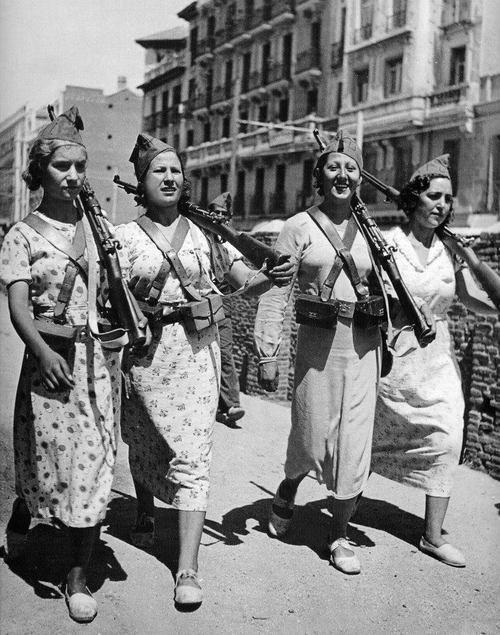
Women participated openly in this mobilisation. Republican newspapers published photographs of Valencian women enrolled in the Popular Militias, marching with rifles, preparing to leave for the front, and even serving machine guns alongside their male comrades. At the time, their participation was presented not as exceptional, but as evidence that the defence of the Republic required the commitment of all its citizens.
By the end of July, Valencia had become one of the Republic’s most important manpower centres. The steady flow of militia columns from the city helped reinforce the Republican front in eastern Spain, while also symbolising the extraordinary popular mobilisation that characterised the opening weeks of the Civil War.
- Castellón Province, Valencia
- Republican-held: Entire province
- Nationalist-held: None
By the end of July 1936, Castellón Province to the north of Valencia also remained securely under Republican control. There was no active front, although neighbouring Aragón was rapidly becoming a major theatre of war, increasing the strategic importance of the province’s roads and rail connections. The province experienced comparatively little violence during the opening weeks of the Civil War. and there is little evidence of organised repression or retaliation during July. Though the war was drawing closer, daily life was affected more by political change and military preparations than by sustained fighting or political violence for the 300,000 residents.
- Alicante Province, Valencia
- Republican-held: Entire province
- Nationalist-held: None
By the end of July 1936, Alicante Province, population 450,000, remained entirely under Republican control following the failure of the military uprising. There was no organised Nationalist presence and no active front within the province. The ports of Alicante and neighbouring coastal towns assumed increasing importance for communications, maritime transport and the movement of people, though the province itself remained largely removed from direct military operations. By 31 July, Alicante Province was one of the Republic’s quieter provinces. The uprising was a failure, no front had developed, and the province increasingly served as a secure coastal area whose military significance would grow as the war expanded beyond its borders.
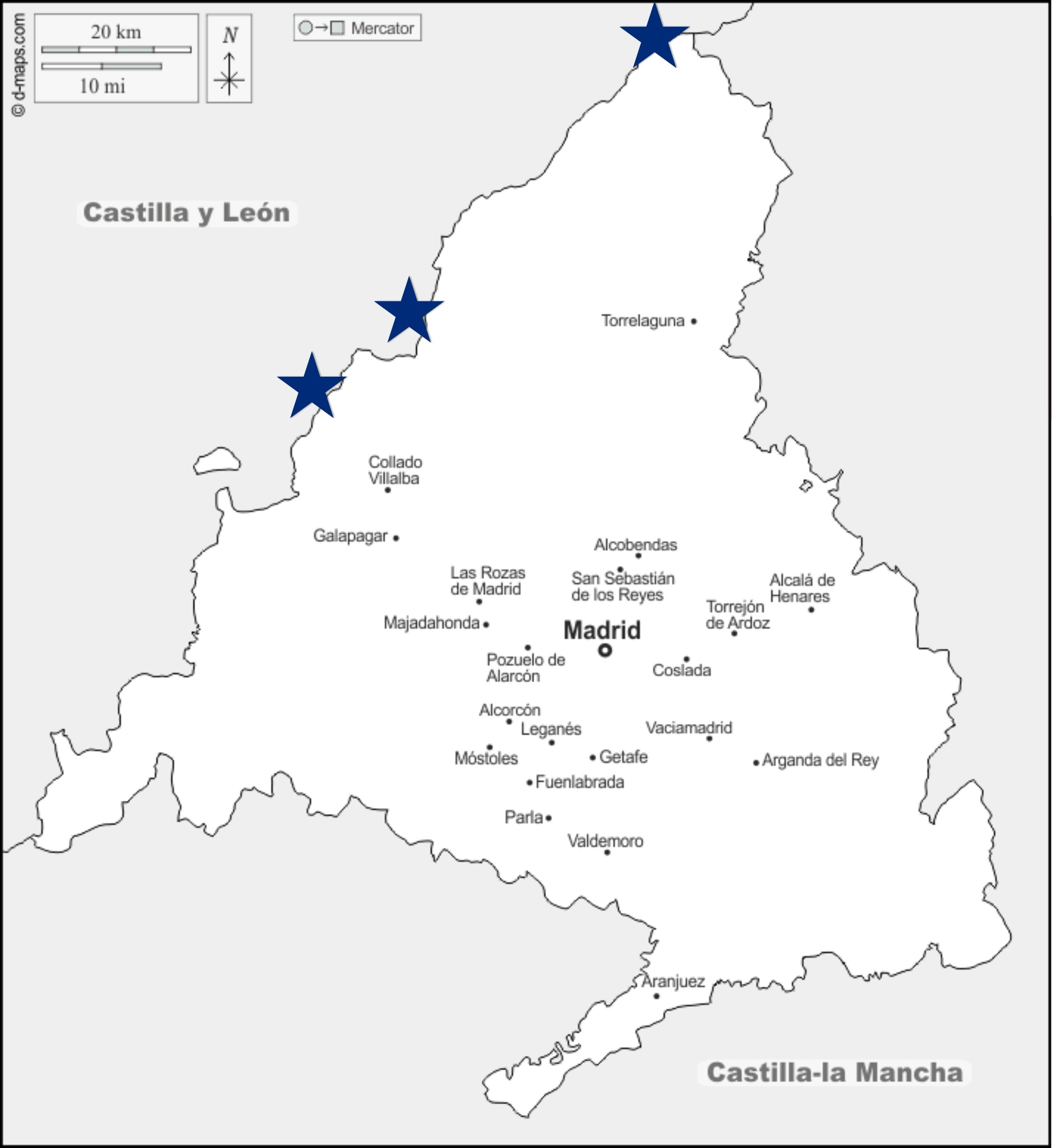
- Madrid Province
- Republican-held: Almost the entire province, including Madrid city
- Nationalist-held: Mountain positions in the Sierra de Guadarrama, including Alto del León and neighbouring passes
By the end of July 1936, Madrid Province remained overwhelmingly under Republican control, although the military situation was far from stable. The uprising within Madrid had been defeated after heavy fighting between 19 and 20 July, but the conflict had quickly spread beyond the capital. During the final week of July, Nationalist columns advancing from Segovia pushed south through Alto del León (Alto de los Leones/Puerto del León), and other from Ávila threatened the western passes of the Sierra, and while nearby Valladolid was not launching columns directly into the mountains, it was feeding troops, artillery and supplies into Segovia, allowing the Nationalists to reinforce the offensive, all of which established the first sector of what would become the long Madrid Front. While the capital itself was no longer a battlefield, fighting continued in the mountains, where both sides committed increasing numbers of troops, militia columns and artillery in an effort to control the approaches to the city.
Within Madrid, attention shifted from defeating the uprising to identifying those suspected of supporting it. Thousands of people were detained during the second half of July, including army officers involved in the rebellion, members of the Falange, conservative politicians, monarchists, clergy and civilians denounced as potential collaborators or members labelled a ‘fifth column’. Existing prisons, including the Modelo Prison, quickly became overcrowded as Republican authorities and revolutionary organisations attempted to process the growing number of detainees. While a number of extrajudicial executions took place during the final week of July, the systematic sacas of prison removals and large-scale massacres that later became associated with Madrid had not yet begun. For most detainees during July, imprisonment rather than immediate execution remained the more common outcome.
Military casualties nevertheless continued to rise across the province. Hundreds of people had already been killed during the fighting in Madrid city, while further losses occurred daily in the Sierra as the front gradually stabilised. Unlike many Nationalist-held provinces, where military operations had largely ended by the close of July, Madrid combined an active battlefield with a rapidly expanding system of arrests and political detention. By 31 July, Madrid Province and its 1.3 million inhabitants had become both the political centre of the Republic and its most important military objective. The immediate danger of the uprising within the capital had passed, but the city remained under constant threat from the developing front to the north-west, and the province was still in transition from the chaotic aftermath of the failed coup to the prolonged siege that would dominate the remainder of the war. The capital had only just survived the uprising, and tens of thousands of volunteers were still poorly armed, while the regular army had fractured, and no one knew whether the Nationalists would arrive in days or weeks. The province had a population of 1.35 million, though 950,000 lived in the city, and getting militia to the mountainous borders was a priority.
The mountain pass of Somosierra, in the northern Sierra de Guadarrama, became an important strategic position in the opening weeks of the Spanish Civil War. Situated on the main highway between Madrid and Burgos, whoever controlled the pass controlled one of the principal routes linking the Republican capital with northern Spain. Following the military uprising, the pass remained in Republican hands. Local members of the assault guards, civilian volunteers, trade union militants and militia units quickly occupied defensive positions, establishing roadblocks and patrols to prevent Nationalist columns from advancing south towards Madrid. During the final week of July, the area was reinforced as the Republican government recognised that any breakthrough across the Sierra could threaten the capital.
Although no major battle was fought at Somosierra during July itself, there were numerous patrol clashes, exchanges of rifle fire and reconnaissance missions as forces from both sides tested each other’s positions. The difficult mountainous terrain, narrow roads and high ridges favoured the defenders, making rapid advances almost impossible without artillery and coordinated infantry attacks. By the end of July, the front at Somosierra had stabilised into a defensive line stretching across the Sierra de Guadarrama. The pass remained firmly under Republican control, denying the Nationalists a direct approach to Madrid from the north. It would continue to serve as an active frontline for many months, seeing far heavier fighting later in the war, but during July its greatest significance lay in preventing the rebellion from achieving a swift advance on the Republican capital.
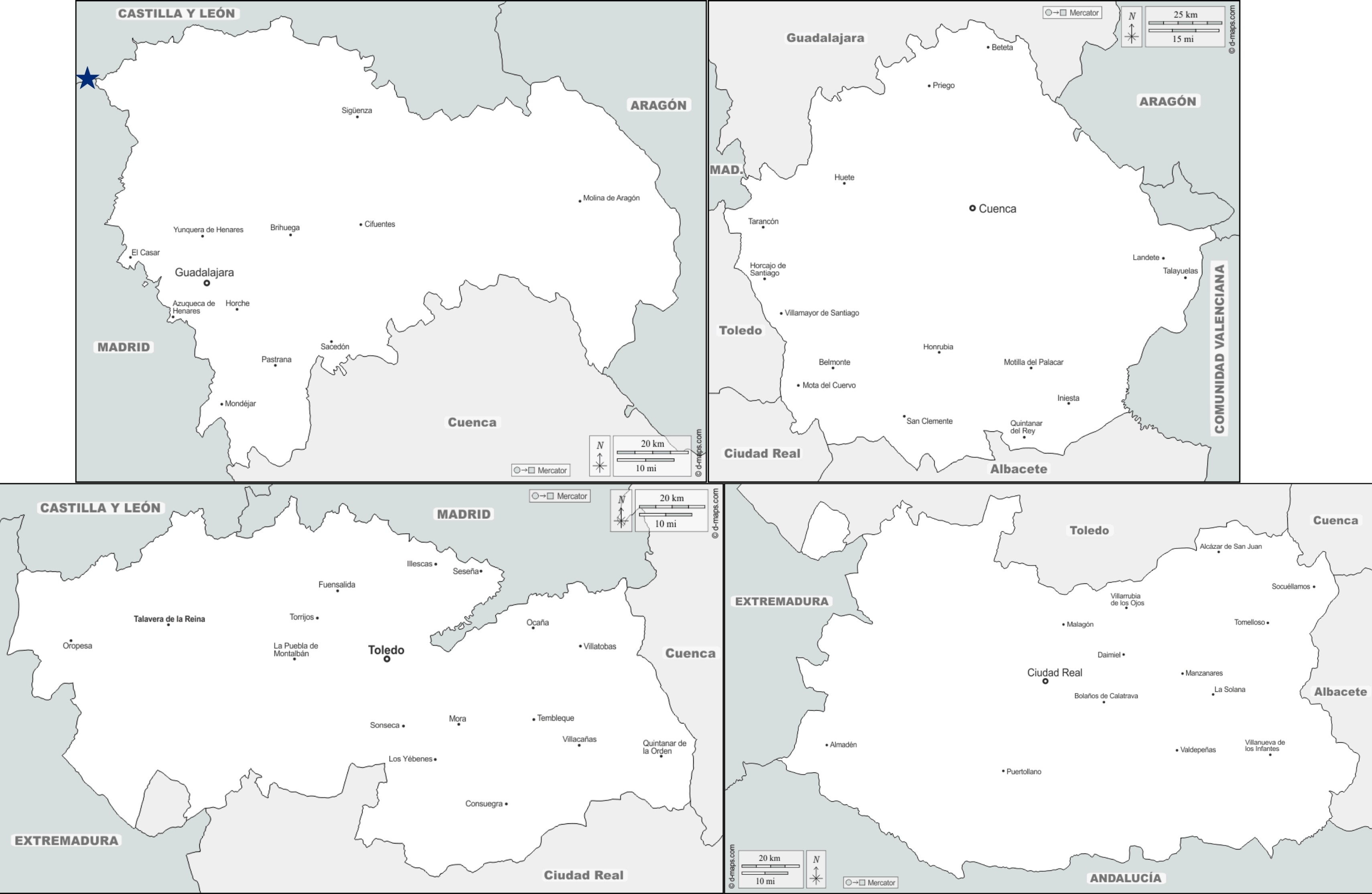
- Guadalajara Province, New Castile / Castilla La-Mancha
- Republican-held: Guadalajara city and the overwhelming majority of the province Nationalist-held: The Somosierra Pass and a small section of the northern frontier
By the end of July 1936, Guadalajara Province and its 230,000 people remained overwhelmingly under Republican control, though it lay close to an active theatre of military operations. The military uprising had failed within the province, but Nationalist forces advancing from neighbouring Soria and Segovia established positions in parts of the Sierra during the final week of July. Although these gains were limited, they marked the beginning of a front that would later assume much greater importance.
Away from the mountains, Republican institutions and revolutionary committees consolidated their authority, and political violence remained relatively limited during July, and was overshadowed by growing concern over the military situation developing to the north-west and the defence of nearby Madrid. By the end of July 1936, Guadalajara Province remained overwhelmingly under Republican control. Nationalist forces had secured the strategically important Somosierra Pass on 25 July, establishing a foothold on the province’s northern frontier. But Guadalajara city and almost all of the province remained in Republican hands, and the Nationalists lacked the strength to advance further towards Madrid, and the province entered a period of military tension as both sides strengthened their positions in anticipation of future operations.
- Toledo Province, New Castile / Castilla La-Mancha
- Republican-held: Toledo city (outside the Alcázar) and almost the entire province
- Nationalist-held: The Alcázar of Toledo
By the end of July 1936, Toledo Province remained overwhelmingly under Republican control, but unlike most Republican-held provinces it contained one of the Civil War’s most significant Nationalist enclaves. Following the failure of the military uprising in Toledo, Colonel José Moscardó Ituarte and approximately 1,000 defenders, including soldiers, Civil Guards, Falangists and civilians, withdrew into the Alcázar of Toledo. Republican forces controlled the surrounding city and virtually the entire province, but the fortress remained under siege. Throughout the second half of July, military operations focused on isolating the Alcázar while Republican militia columns secured the surrounding towns and communications.
Away from the siege, political authority was shared between Republican institutions and local revolutionary committees. Military officers involved in the uprising, members of the Falange, conservative politicians, clergy and civilians suspected of supporting the rebellion were arrested in Toledo city and across the province. A number of extrajudicial executions took place during the latter half of July, while churches and religious buildings were attacked or requisitioned in several communities. However, political violence remained largely overshadowed by the continuing siege, and there is little evidence of the widespread or systematic executions that characterised many Nationalist-held provinces during the same period among the population of 500,000.
Though the province was largely under Republican control, it could not be regarded as a secure area. Republican troops, Assault Guards, Guardia Civil loyal to the Republic and militia columns remained heavily committed to the siege of the Alcázar, while additional forces passed through the province towards the developing Madrid Front. The presence of a determined Nationalist garrison ensured that military operations continued throughout July, making Toledo one of the few Republican-controlled provinces where active combat remained the defining feature of daily life. By 31 July, Toledo Province was divided between an isolated Nationalist fortress and an otherwise Republican-controlled countryside. The siege of the Alcázar had become both a military objective and a powerful symbol for both sides, while the wider province continued to adjust to the political upheaval and localised violence that followed the failure of the uprising. Click here to read about the siege of the Alcázar in July HERE
- Ciudad Real Province
- Republican-held: Entire province
Nationalist-held: None
By the end of July 1936, Ciudad Real Province and its population of 550,000 remained firmly under Republican control. The military uprising had failed to establish any lasting Nationalist presence, and there was no active front within the province. Although militia units travelled north towards Madrid and east towards Aragón, Ciudad Real itself became an important Republican area linking Madrid to the Levante and southern Republican Spain.
Following the collapse of the uprising, Republican authorities and local revolutionary committees assumed control across the province. Military officers, members of the Falange and civilians suspected of supporting the rebellion were arrested in a number of towns, while churches and religious buildings were attacked or requisitioned in several communities, but by 31 July, Ciudad Real Province remained politically unsettled but militarily secure. The principal changes were revolutionary rather than military, as local committees consolidated authority while the province increasingly supported Republican operations on more active fronts.
- Cuenca Province, New Castile / Castilla La-Mancha
- Republican-held: Entire province
- Nationalist-held: None
By the end of July 1936, Cuenca Province remained entirely under Republican control. The military uprising failed to gain a foothold, and no organised Nationalist forces operated within the province. Unlike neighbouring Toledo or Madrid, there was no active front, and military activity remained limited throughout the month. Political authority increasingly passed into the hands of Republican organisations and local revolutionary committees, and the population of 340,000 were relatively safe despite their close proximity to Madrid, Guadalajara, and Aragon.
- Aragón was unique by the end of July 1936, already become both an active battlefield and a divided political landscape. Nationalist forces retained Zaragoza, Huesca and Teruel, while Republican militia columns advancing from Catalonia established positions in the eastern districts. Military operations, revolutionary change and political repression occurred simultaneously across the region, making Aragón one of the most complex areas of Spain during the opening weeks of the Civil War.

- Zaragoza Province, Aragón
- Republican-held: Eastern districts around Caspe and the advancing Aragón Front
- Nationalist-held: Zaragoza city and the overwhelming majority of the province
By the end of July 1936, Zaragoza Province had become the military and political centre of Nationalist Aragón. The uprising had secured Zaragoza city and most of the province, while Republican militia columns advancing from Catalonia established positions along the eastern frontier around Caspe and the roads leading towards Belchite and Zaragoza. Although the Nationalists retained firm control of the provincial capital and its communications, the eastern districts had become an active battlefield as both sides sought to secure villages, road junctions and river crossings before a permanent front developed.
The province experienced both sustained military operations and severe political repression. Republican offensives launched by militia columns, including those led by Buenaventura Durruti and Antonio Ortiz, repeatedly threatened the eastern approaches to Zaragoza, but lacked the artillery, training and coordination necessary to capture the city. Behind Nationalist lines, military authorities carried out systematic arrests of Socialist and Communist Party members, CNT and UGT organisers, Republican councillors, teachers, railway workers and civilians accused of supporting the Republic. Executions occurred daily in Zaragoza city and throughout much of the province, particularly at Torrero Cemetery, which became one of the largest execution sites in northern Spain, with up to 500 dead in July alone. Executions began immediately after the successful military uprising on 19 July and by the end of the month, several hundred Republican supporters had already been executed in Zaragoza city and throughout the province, with the walls of Torrero Cemetery becoming the principal execution site. The pace of killing remained extremely high during August as Nationalist authorities sought to eliminate organised Republican, socialist and trade union opposition.
At the same time, revolutionary committees operating behind Republican lines in the east arrested clergy, Falangists and civilians suspected of supporting the rebellion, although on a considerably smaller scale. By 31 July, Zaragoza Province and its 500,000 inhabitants were not in a secure area or in open collapse. It had become one of the Civil War’s first major fronts, where active military operations, political repression and revolutionary transformation unfolded simultaneously.
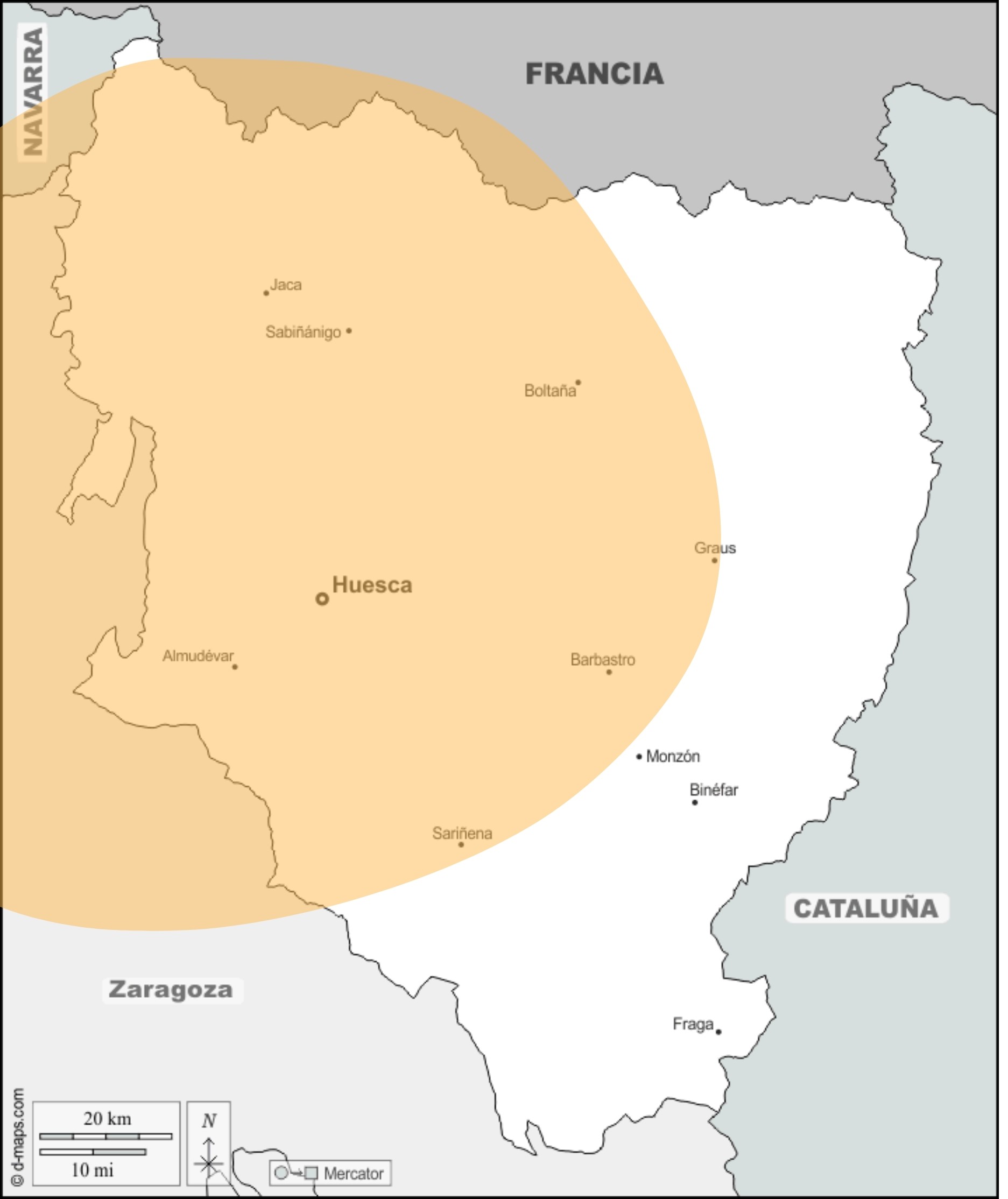
- Huesca Province, Aragón
- Republican-held: Eastern districts bordering Catalonia, including Fraga and surrounding areas
- Nationalist-held: Huesca city and much of the central and western province
By the end of July 1936, Huesca Province was divided between Nationalist and Republican control. Nationalist forces retained Huesca city together with much of the central and western province, while Republican militia columns advancing from Catalonia secured a number of eastern districts and approached the provincial capital. The result was one of Spain’s earliest continuous fronts, with fighting extending across villages, road junctions and agricultural communities rather than concentrating around a single city.
Military operations dominated the province throughout the final week of July. Republican columns attempted to isolate Huesca while securing positions around Almudévar, Tardienta, Siétamo and neighbouring villages. Nationalist forces responded by strengthening the city’s defences and launching local counter-attacks to prevent encirclement. Behind both fronts, arrests and political violence accompanied the military campaign. Nationalist authorities detained and executed Republican officials, on a large scale in in Huesca city and Barbastro 50km east, with 300 – 500 killed in July.
Compared with Zaragoza Province, military operations remained the defining feature of events, as Huesca Province had become a province at war. Neither side exercised complete control, and the front established during the closing days of July would remain largely unchanged for many months as both armies transformed temporary positions into permanent defences, leaving the 250,000 inhabitants on the edge of battle.
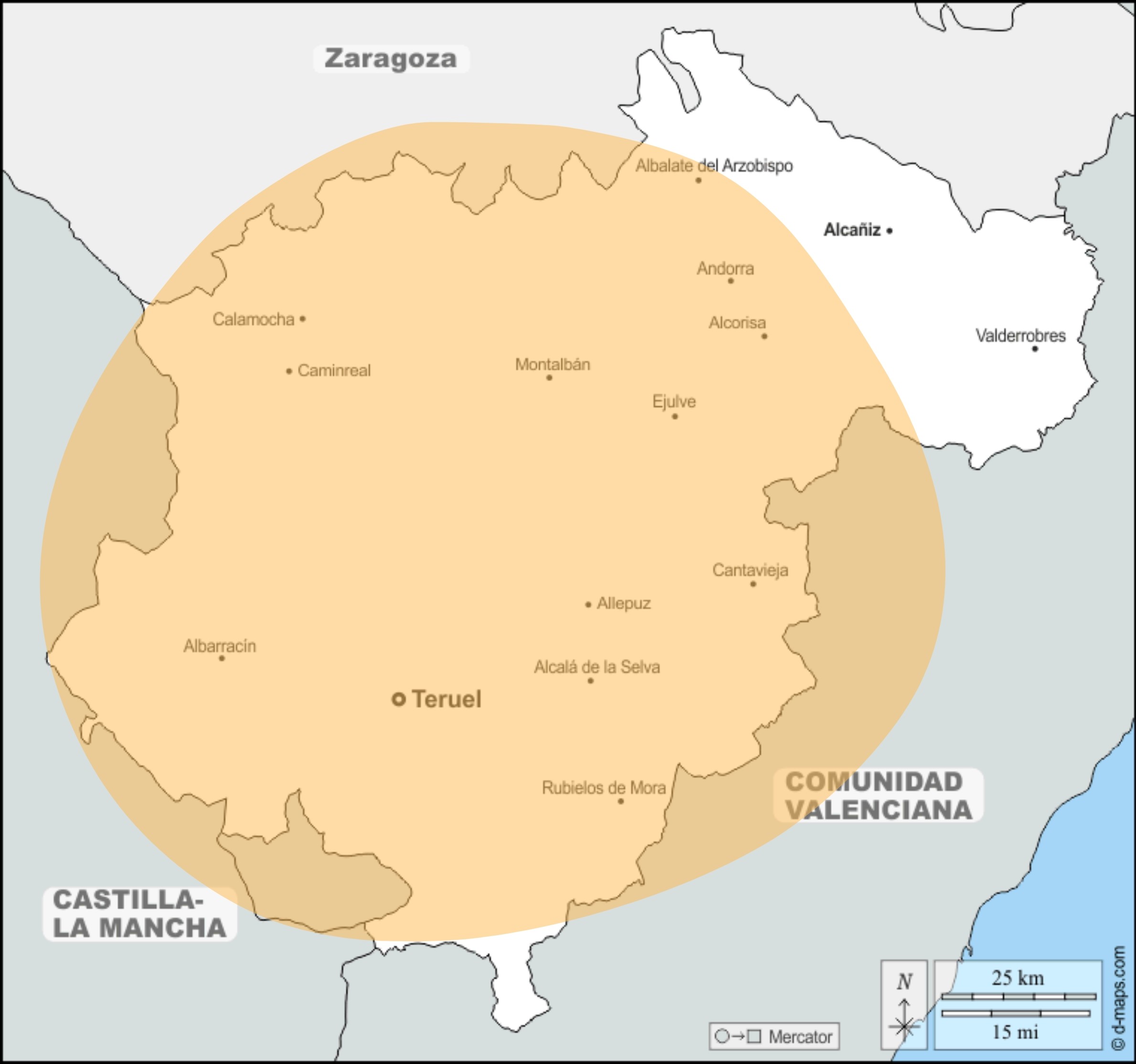
- Teruel Province, Aragón
- Republican-held: Eastern border districts adjoining Catalonia and Valencia
- Nationalist-held: Teruel city and most of the province
By the end of July 1936, Teruel Province remained predominantly under Nationalist control, although several eastern districts bordering Catalonia and Valencia remained in Republican hands, but no continuous front had yet developed across the province. Control remained fragmented in places as the 250,000 people of the province managed in isolated villages and rural districts, adjusting to the rapidly changing military situation. Military activity during the latter half of July consisted largely of reconnaissance, patrols and the occupation of strategically important villages and communications rather than major battles. Nationalist authorities consolidated their control over Teruel city and the surrounding districts while Republican militia columns strengthened positions along the eastern frontier. Arrests of suspected political opponents occurred on both sides of the emerging divide. In Nationalist-held areas, Republican officials, trade unionists and left-wing activists were detained, with isolated executions reported in some localities. Nevertheless, the scale of both the fighting and the political violence remained considerably lower than elsewhere in Aragón.
Teruel Province remained a frontier region whose military importance was steadily increasing. Although relatively quiet compared with Zaragoza and Huesca, the province was already beginning the transformation that would eventually make it one of the most fiercely contested battlefields of the Civil War.