January 1936
- 7 January – Cortes Dissolved for New Elections: President Niceto Alcalá-Zamora dissolved the Cortes and called new elections for February 1936. This effectively admitted the conservative coalition had become unstable, and it triggered the polarised election campaign that followed. The decision angered many on the right, especially CEDA supporters under José María Gil-Robles, who believed the left might return to power through coalition politics.
- 15 January – Formation of the Popular Front: The Popular Front alliance was formally established. The agreement united republicans, socialists, communists, and regional left-wing groups. This was one of the most important political developments before the war because it transformed the election into a direct left-versus-right struggle.
January 1936 opened with Spain already deeply unstable after nearly five years of political conflict under the Second Republic. Although civil war had not yet begun, much of the country was increasingly divided into hostile ideological camps that no longer trusted one another’s legitimacy. The political atmosphere of January was shaped heavily by the aftermath of the 1934 Asturian uprising. In October 1934, socialist miners and workers in Asturias had launched an armed revolt against the right-wing government, fearing that conservative and authoritarian forces were destroying the Republic from within. The uprising was crushed brutally by the army under officers including Francisco Franco. Thousands were arrested afterward – socialist leaders, trade unionists, anarchists, miners, and Republican activists. Throughout January 1936, the fate of these prisoners remained one of the most explosive political issues in Spain.
On the left, the prisoners became symbols of working-class resistance and state repression. Socialist and communist newspapers continuously demanded amnesty. Mass meetings and rallies across industrial cities called for their release. On the right, conservatives argued the Asturian revolt had revealed the true revolutionary intentions of the left. Many army officers increasingly believed Spain faced a Bolshevik-style revolution similar to Russia in 1917. This mutual fear shaped nearly every political discussion during January.
Spain’s political centre continued weakening throughout January. Moderate republican governments had struggled since the founding of the Republic in 1931 to balance land reform, Church reform, military reform, workers’ rights, regional autonomy, and conservative resistance. By 1936, compromise itself increasingly appeared impossible. The conservative coalition governing Spain since 1933 was internally divided. The most controversial figure on the right remained José María Gil-Robles, leader of the Catholic conservative CEDA party (Confederación Española de Derechas Autónomas ) Gil-Robles publicly defended parliamentary politics, yet many on the left viewed him as sympathetic to authoritarianism and European fascist movements. His rallies increasingly adopted militaristic imagery of mass salutes, disciplined youth groups, and rhetoric focused on order, religion, and anti-Marxism. Meanwhile, the Falange expanded its presence during January. The movement, founded by José Antonio Primo de Rivera, remained relatively small numerically, but its influence grew through violence and propaganda. Falangist militants carried out street attacks against socialist activists, trade unionists, and Republican opponents.
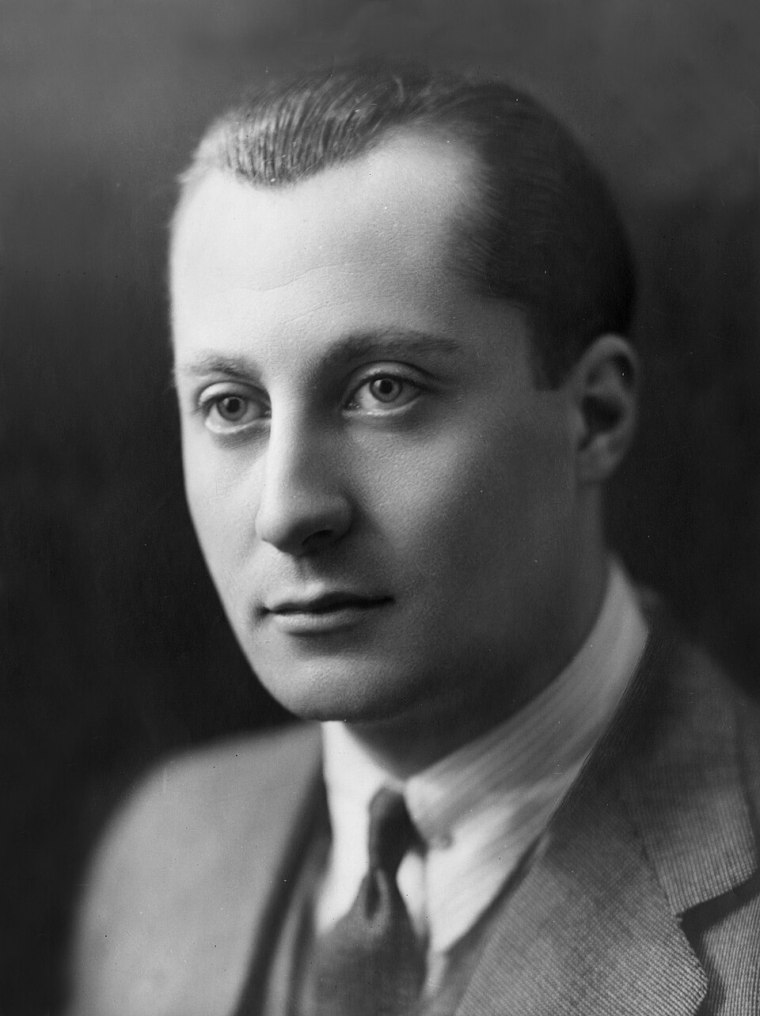
In response, left-wing organisations increasingly organised self-defence groups and neighbourhood patrols. Political violence became more common in Madrid, Barcelona, Valladolid, Seville, and Zaragoza. Street clashes between Falangists, socialists, communists, anarchists, and police forces increasingly normalised the idea of political conflict through violence rather than elections.
One of the most important developments of January 1936 was the creation of the Popular Front alliance. After years of division, left-wing parties increasingly recognised that fragmentation had helped conservatives win the 1933 election. Negotiations intensified between republicans, socialists, communists, and regional left-wing parties. The resulting Popular Front coalition formally united diverse political groups behind several shared goals – restoration of Republican reforms, amnesty for political prisoners, renewed land reform, protection of labour rights, and resistance to fascism. The Popular Front did not include anarchists formally, since many anarchists rejected parliamentary politics entirely, though some anarchist organisations increasingly encouraged participation against the right. The coalition alarmed conservatives immediately. Right-wing newspapers described the Popular Front as revolutionary and anti-Christian. Conservative landowners, industrialists, and sections of the Church increasingly feared property seizure, anti-clerical violence, and socialist revolution. The language used in newspapers during January became increasingly apocalyptic. Political opponents were no longer described as misguided Spaniards, but as enemies threatening civilisation itself.
Although the military conspiracy that later produced the July uprising was not yet fully organised, January saw growing political discussion among conservative officers. Many army officers resented earlier Republican military reforms introduced by Manuel Azaña during the early Republic. These reforms had reduced officer numbers, weakened traditional military privileges, and attempted to place the army more firmly under civilian authority. Some officers increasingly believed the Republic itself endangered national unity. During January, discussions intensified among conservative military circles regarding social unrest, regional separatism, anti-clericalism, and fear of revolution.
By mid-to-late January, the upcoming February election dominated Spanish politics. Campaign rallies became increasingly aggressive. In Madrid, huge meetings drew socialist workers, Catholic conservatives, monarchists, republicans, and fascist youth movements. Political posters covered walls throughout Spanish cities. Newspapers attacked opponents relentlessly. The Popular Front campaigned heavily on amnesty for the 1934 prisoners, social reform, and defence of the Republic. The right warned that Popular Front victory would produce communist revolution, destruction of religion, and collapse of social order. Both sides increasingly framed the election as a final national struggle rather than an ordinary democratic contest.
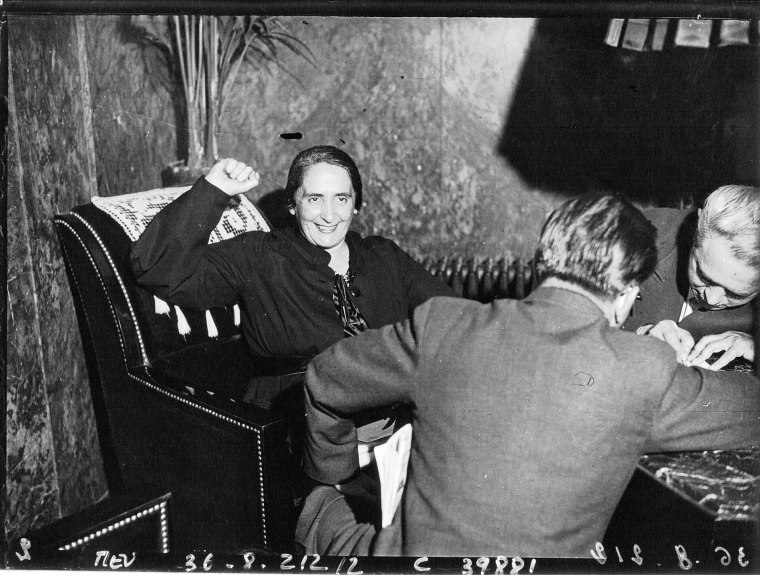
January 1936 also marked one of the first periods in Spanish history where women participated visibly in mass electoral politics after gaining suffrage in 1931. Women campaigned actively across the political spectrum. On the left – Dolores Ibárruri campaigned for the Communist Party and Popular Front, Margarita Nelken campaigned among socialist and rural labour networks, and Victoria Kent remained active within Republican politics despite earlier electoral defeat. Meanwhile, Clara Campoamor struggled politically after divisions surrounding women’s suffrage debates earlier in the decade. By January 1936 she no longer possessed strong party backing. Conservative Catholic women also mobilised heavily during the election campaign. Religious organisations encouraged women to vote in defence of Catholic education, family values, and protection of the Church. This became especially important because many conservatives believed female voters represented a crucial electoral force against socialism and secularism. The political participation of women itself remained controversial. Some left-wing politicians still blamed female suffrage for the conservative victory of 1933, arguing many rural women voted under Church influence. Thus, January 1936 reflected a striking contradiction where women were increasingly visible in politics, yet their political role itself remained intensely disputed.
Beyond politics, January remained economically difficult for much of Spain. In rural regions, especially Andalusia and Extremadura, landless labourers faced severe poverty, seasonal unemployment remained widespread, and hunger persisted in many villages. Peasants increasingly demanded faster land reform and redistribution of large estates. In industrial cities strikes, labour disputes, and unemployment continued generating instability. Housing shortages and inflation worsened tensions in working-class districts. These economic conditions helped radicalise many ordinary Spaniards who increasingly believed parliamentary compromise had failed.
February 1936
- 16 February – General Election: The Popular Front victory. The results immediately intensified military anxiety, conservative fear, and labour mobilisation.
- 17–19 February – Immediate Unrest and Prisoner Releases: Even before the final results were fully confirmed, crowds demanded release of prisoners jailed after the 1934 Asturian uprising. Demonstrators gathered outside prisons across Spain. This frightened conservatives enormously because it appeared the government was already losing control to street pressure.
- 17–20 February – Debate Over Female Voting: Immediately after the election, newspapers and politicians again debated the political role of women voters. Conservative Catholic organisations celebrated strong turnout among religious women. Meanwhile, some Republican and socialist commentators privately worried that rural women still leaned heavily conservative under Church influence. This debate became especially intense in Granada, Castile, Navarre, and rural Catholic regions.
- 19 February – Azaña Forms Government: Manuel Azaña officially formed the new Popular Front government. This marked the formal return of the Republican left to power. Conservatives increasingly viewed Azaña as the symbol of secular reform and anti-clerical politics.
February 1936 became one of the defining months in the collapse of the Second Spanish Republic. The general election held on 16 February did not itself begin the Civil War, but it intensified almost every existing division within Spanish society – class conflict, regional tension, ideological extremism, religious hostility, and growing military distrust of the Republic. By the end of the month, much of the Spanish left believed democracy had narrowly survived, while much of the right increasingly believed democracy itself had failed.
The election campaign opened in an atmosphere of extraordinary political bitterness. Across Spain rallies filled city squares, political posters covered walls, newspapers attacked opponents daily, and violent clashes became increasingly common. The campaign effectively divided Spain into two competing blocs. The left-wing Popular Front (Frente Popular) united republicans, socialists, communists, regional leftists, and smaller progressive groups. The coalition promised amnesty for prisoners jailed after the 1934 Asturian uprising, restoration of land reform, labour protections, defence of the Republic, and resistance to fascism.
The right remained more fragmented. Its largest force was CEDA (Confederación Española de Derechas Autónomas), led by José María Gil-Robles, who campaigned heavily on defence of Catholicism, social order, anti-socialism, and opposition to revolutionary politics. Monarchists, meanwhile, increasingly rejected the Republic altogether. Figures such as José Calvo Sotelo openly argued that parliamentary democracy was collapsing and authoritarian government might become necessary. The fascist Falange, led by José Antonio Primo de Rivera, remained smaller electorally but highly visible through violence and propaganda.
The 1936 election was only the second national election in Spanish history in which women could vote. Women participated massively attending rallies, campaigning, distributing propaganda, and voting in large numbers. Yet women’s suffrage itself remained politically controversial. After the conservative victory in the 1933 election, many figures on the left blamed female voters for helping the right win power. They argued that rural and Catholic women had voted heavily under Church influence. This controversy still shaped the 1936 election campaign.
Clara Campoamor, who had secured women’s suffrage in 1931, had become politically isolated partly because of this backlash. Many republicans quietly blamed her for expanding the electorate before Spain was supposedly ‘socially ready.’ Campoamor attempted to remain politically active in 1936 but failed to regain significant support or parliamentary office. Meanwhile, Victoria Kent, who had famously opposed immediate women’s suffrage in 1931, continued participating in Republican politics. Kent argued that many women remained heavily influenced by conservative priests and religious culture, particularly in rural Spain. The election campaign revealed how deeply politicised women’s voting had become. Dolores Ibárruri campaigned aggressively for communist and Popular Front candidates, delivering speeches focused on anti-fascism, workers’ rights, and defence of the Republic. Margarita Nelken campaigned in Badajoz and Extremadura among agricultural labourers and socialist networks, particularly focusing on rural poverty, land reform, and peasant conditions.
Catholic organisations mobilised female voters intensely, with priests encouraged women to defend religion and family values, conservative newspapers portrayed left-wing victory as a threat to Christianity, and women’s Catholic groups organised meetings throughout Spain.
Political violence escalated steadily during February. Falangists clashed repeatedly with socialist youth groups, anarchists, communists, and Republican supporters. Shootings, beatings, and bombings occurred in several cities. Madrid became especially tense. Political meetings often ended in street fights, while newspapers increasingly described opponents as enemies rather than legitimate political rivals. The government struggled to maintain order. Police forces themselves increasingly appeared politically divided between conservative and Republican sympathies. Many Spaniards entered the election already fearing violence regardless of who won.
16 February 1936 – Election Day
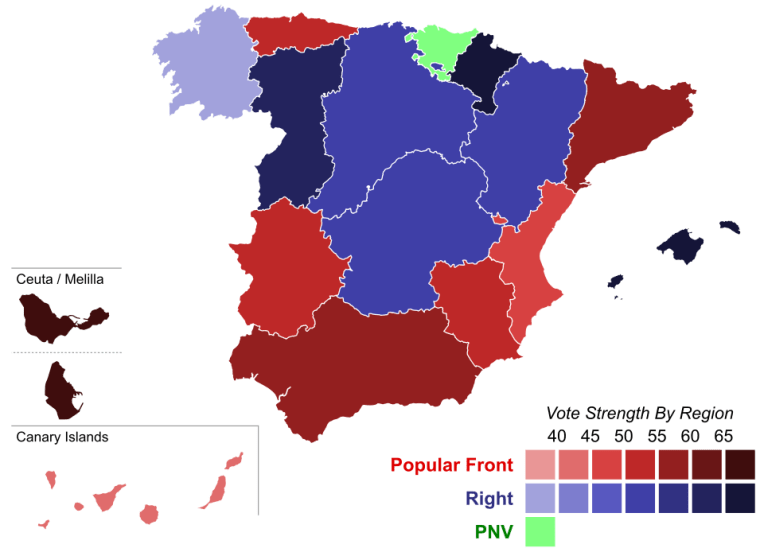
Voting took place on 16 February amid enormous turnout and intense political tension. Long queues formed outside polling stations across Spain. Security forces maintained heavy presence in many areas due to fears of clashes or intimidation. Voting patterns varied sharply by region – industrial centres and working-class districts largely supported the Popular Front, conservative Catholic regions often supported the right, while regional nationalist areas produced more mixed results. Strong Popular Front support emerged in Madrid, Barcelona, Valencia, Asturias, and much of the industrial north. The right remained stronger in Navarre, parts of Castile, conservative rural areas, and heavily Catholic regions.
Women voted in very large numbers. Conservative parties hoped female voters would once again support Catholic and right-wing candidates as many had in 1933. Left-wing organisations campaigned aggressively among urban and working-class women to prevent this. The election became, in part, a referendum on the political future of Spanish women themselves through secular citizenship versus Catholic traditionalism, labour activism versus domestic conservatism, and Republican reform versus religious social order.
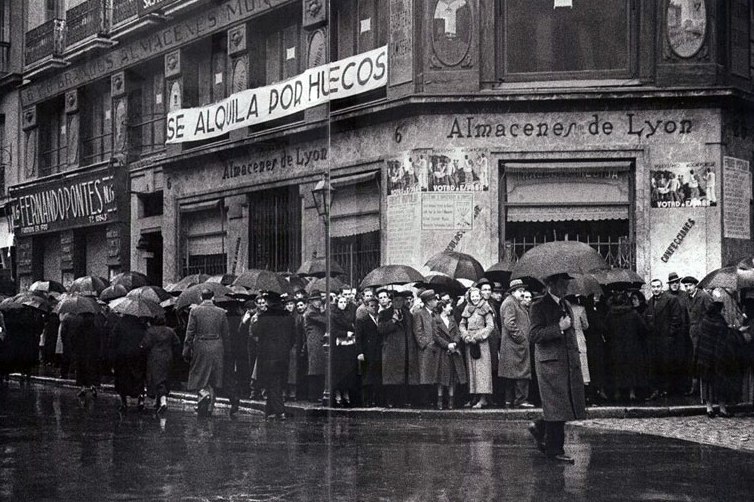
The election results emerged slowly and chaotically over several days. Spain’s electoral system heavily rewarded coalitions, meaning relatively narrow vote margins could produce large parliamentary majorities. The Popular Front ultimately secured victory. Broadly, the left won roughly 4.6–4.8 million votes, the right won roughly 4.5 million, while centrist parties collapsed badly. The final Cortes roughly produced around 260–280 seats for the Popular Front and allies, around 130–150 seats for the right, with the remainder divided among regionalists and moderates. Several important female candidates won election with Dolores Ibárruri t representing Asturias, Margarita Nelken retained her seat for Badajoz, and Victoria Kent returned to parliament aligned with the Republican left. Clara Campoamor failed to win election.
The right immediately began complaining about irregularities and alleged fraud. José María Gil-Robles claimed that intimidation and disorder had affected the results in some areas. Monarchists and conservative newspapers increasingly argued the election had been manipulated by left-wing pressure and street violence. José Calvo Sotelo became one of the most vocal parliamentary critics of the outcome, warning that Spain was moving toward revolutionary collapse. Some local officials also disputed provincial counts, especially in areas where violence and unrest disrupted ballot reporting. , most historians conclude that while some irregularities existed, as in many Spanish elections of the period, the Popular Front genuinely won nationally. What mattered politically was not merely the result itself, but how different groups interpreted it.
Crowds filled streets in Madrid, Barcelona, Valencia, Bilbao, and Asturias. Political prisoners jailed after the 1934 uprising became central symbols of Popular Front victory. Demonstrators demanded immediate amnesty, and in some places crowds attempted to free prisoners before legal procedures were complete. Workers believed the election represented defeat of fascism, renewal of social reform, and restoration of the Republic’s original ideals. The right reacted very differently. Many conservatives increasingly concluded that parliamentary democracy could no longer protect religion, property, social hierarchy, or national unity. Among sections of the military, the election intensified fears of socialist revolution. Francisco Franco reportedly discussed emergency measures with government officials immediately after the election, including possible military intervention to maintain order. The government rejected such measures. By late February political prisoners were being released, strikes intensified, land occupations spread in some rural areas, Falangist violence escalated, and trust between left and right deteriorated further.
March 1936
- 1 March – Renewed Land Occupations Begin Expanding: Peasant occupations accelerated in Andalusia, Extremadura, and other agricultural regions. Landless labourers believed the Popular Front victory meant immediate agrarian reform should begin. Landowners increasingly viewed events as revolutionary seizure of property.
- 3–8 March – Early Military Conspiracy Discussions Intensify: Emilio Mola increasingly emerged as a central coordinating figure. At this stage, conspiracy remained fragmented, but military distrust of the Republic deepened sharply.
- 14 March – Falange Officially Banned: The government banned the Falange after escalating political violence. José Antonio Primo de Rivera was arrested shortly afterward. The movement moved underground, violence intensified, and many conservatives increasingly viewed the government as persecuting the right. When the Falange was banned and José Antonio Primo de Rivera imprisoned, his sister Pilar Primo de Rivera became increasingly important organisationally. She helped maintain Falangist communication networks, organise fascist female supporters, distribute propaganda, and preserve underground structure.
- 20 March – Franco Sent to the Canary Islands: The government transferred Francisco Franco away from mainland Spain. Other suspicious generals were also reassigned: Emilio Mola to Pamplona, Manuel Goded to the Balearics. Ironically, these transfers helped the conspiracy by placing generals in safer conservative regions.
March 1936 became the month in which the Popular Front’s electoral victory turned into a deep national crisis. The February election had not resolved Spain’s political divisions; instead, it intensified them. During March, the new government attempted to restore Republican reforms while political violence, military distrust, and social conflict escalated rapidly across the country.
For supporters of the Popular Front, March represented the reopening of democratic reform after years of conservative obstruction. For conservatives, monarchists, many Catholics, and increasing sections of the military, the month appeared to confirm that Spain was drifting toward revolution. Following the February election victory, Manuel Azaña became the dominant political figure within the new government. Azaña represented left-republican constitutionalism rather than revolutionary socialism. He hoped to restore parliamentary authority, secular reform, military reform, and social stability, but events increasingly moved beyond the control of moderate republican politicians.
The new government immediately began implementing Popular Front promises – political prisoners from the 1934 Asturian uprising were released, suspended left-wing local officials were reinstated, restrictions on unions were eased, and discussion resumed around land reform and regional autonomy. The release of prisoners became one of the defining events of early March. Throughout Spain, crowds gathered outside prisons celebrating the return of socialist organisers, miners, anarchists, trade unionists, and political activists. In Asturias especially, the release of imprisoned miners carried enormous symbolic importance after the brutal repression following the 1934 uprising. To the left, these prisoners represented resistance against reactionary repression. To the right, their release appeared to reward revolutionaries.
The election itself remained controversial well into March, as Spain’s electoral process required review of contested provincial results, meaning disputes continued after the initial February vote. Right-wing politicians increasingly claimed the Popular Front had benefited from intimidation, mob pressure, manipulation of provincial counts, and breakdown of public order. José María Gil-Robles publicly criticised the government’s handling of post-election unrest and warned that Spain was descending into chaos. Meanwhile, José Calvo Sotelo intensified parliamentary attacks on the Republic itself, arguing that the government no longer protected law, religion, or property. The right especially objected to revised electoral rulings in some provinces where disputed seats were reassigned to Popular Front candidates after parliamentary review. Many conservatives increasingly believed the Republic’s institutions themselves had become politically compromised. Historians generally agree the Popular Front genuinely won the election overall, though local irregularities and political pressure certainly existed. What mattered politically was that many conservatives stopped trusting the legitimacy of parliamentary outcomes entirely.
Across Spain, Falangists attacked socialist activists, left-wing militants retaliated, churches were vandalised, newspaper offices were attacked, and political meetings increasingly ended in street fighting. Madrid became especially volatile. Falangist groups associated with José Antonio Primo de Rivera carried out shootings and acts of intimidation throughout the city. Although the Falange remained electorally weak, its visibility increased through militant activism and disciplined organisation. The government responded by increasing surveillance and arrests of Falangist activists. At the same time, socialist and communist youth groups expanded their own armed presence in working-class districts. Political funerals became particularly dangerous moments. Processions frequently turned into demonstrations filled with party flags, revolutionary songs, armed escorts, and retaliatory speeches. Increasingly, politics moved from parliament into the streets.
One of the most important developments of March 1936 was the growing movement of senior military officers toward organised conspiracy. The government increasingly distrusted sections of the army, particularly conservative generals associated with anti-Republican politics. To weaken possible conspirators, the government reassigned several key officers away from Madrid. These transfers would later prove historically significant. Francisco Franco was removed from his influential post and sent to the Canary Islands. Emilio Mola was transferred to Pamplona in Navarre. Manuel Goded was sent to the Balearic Islands. The government hoped dispersing suspicious generals geographically would reduce the risk of coordinated rebellion. Instead, these postings often provided safer environments for conspiracy. Pamplona especially became crucial because Navarre was deeply conservative, strongly Catholic, and home to large Carlist networks already hostile toward the Republic. During March, Mola increasingly emerged as the central organiser of military conspiracy.
Although no final uprising date yet existed, Mola began identifying sympathetic officers, establishing communications networks, and discussing possible military action with monarchists and Carlists. At this stage, many officers still hesitated. Some feared failure, and others hoped the Republic might still stabilise. Many remained uncertain whether a coup would receive enough military support nationally.
March also saw major escalation in rural conflict. In Andalusia and Extremadura especially, landless labourers increasingly occupied large estates owned by wealthy landowners. These occupations were often organised through socialist unions or peasant organisations demanding immediate agrarian reform. Workers believed the Popular Front victory meant redistribution should begin immediately. In many villages peasants entered estates, began ploughing unused land, or demanded employment from landlords. Landowners viewed these actions as revolutionary seizure of property. Local authorities often struggled to respond because police forces were politically divided, governments feared provoking unrest, and many Republican officials sympathised with reform demands. The countryside became one of the most dangerous areas of social conflict during March.
Women remained politically active throughout March, though usually within broader party and ideological structures rather than independent women’s movements at this stage. Dolores Ibárruri became increasingly prominent through speeches defending workers, political prisoners, and anti-fascist mobilisation. Her rhetoric during March grew more militant as political violence intensified. Margarita Nelken continued advocating agrarian reform and defending socialist labour movements, particularly connected to conditions in Extremadura. Meanwhile, conservative Catholic women’s organisations expanded mobilisation in response to fears of anti-clericalism and socialism.
Religious processions and prayer gatherings became increasingly political as women attended masses defending Catholic Spain, conservative newspapers appealed heavily to female readers, and Church organisations framed the crisis as a struggle for religion and family life. The political role of women itself remained controversial. Many conservatives viewed politically active left-wing women as evidence of social breakdown, while some on the left still privately blamed female suffrage for strengthening conservative politics in earlier elections.
One of the most explosive issues during March remained religion. The Catholic Church represented far more than faith in Spain, it symbolised hierarchy, education, conservatism, and traditional authority. Many left-wing activists associated the Church with monarchy, landlordism, and repression. During March, churches were attacked in some cities, religious buildings vandalised, and priests occasionally threatened. Although the government officially condemned violence, conservatives increasingly believed Republican authorities were unwilling or unable to protect the Church. This fear became one of the major forces driving conservative radicalisation during spring 1936.
March also marked significant growth in the Falange. Although still relatively small electorally, the movement increasingly attracted radicalised middle-class youth, conservative students, former monarchists, and anti-socialist militants. The Falange presented itself as nationalist, anti-Marxist, anti-liberal, and revolutionary. Its members increasingly engaged in armed confrontations, intimidation, propaganda campaigns, and assassination attempts. Government repression against the Falange intensified accordingly, further radicalising the movement.
Several developments now threatened the Republic simultaneously with ongoing electoral bitterness, political violence, military distrust, labour unrest, land occupations, anti-clerical tension, and ideological radicalisation. Moderate republican leaders like Azaña increasingly struggled to control events. Many conservatives began concluding that parliamentary politics could no longer protect their interests. Many workers increasingly believed only mass mobilisation could defend reform. Meanwhile, within the military, conspiracy slowly evolved from discussion into preparation.


You must be logged in to post a comment.