April 1936
- Early April – Foundations of Mujeres Libres Strengthens: Anarchist women increasingly consolidated what became Mujeres Libres (Free Women). Key figures included Lucía Sánchez Saornil, Mercedes Comaposada, and Amparo Poch y Gascón. They knew class revolution alone would not liberate women, and women needed independent political and educational organisation. At this stage they focused on literacy, education, political discussion, and labour participation.
- 7 April – President Alcalá-Zamora Removed: The Cortes voted to remove Niceto Alcalá-Zamora. This deeply alarmed conservatives, who increasingly believed constitutional norms were collapsing. José Calvo Sotelo strongly condemned the move.
- 14 April – Fifth Anniversary of the Republic: Mass celebrations occurred across left-wing Spain marking the anniversary of the Republic’s founding in 1931. Huge demonstrations took place in Madrid, Barcelona, Valencia, and Bilbao. Conservatives interpreted the celebrations very differently, as evidence of revolutionary triumphalism and weakening state authority. Political violence around the anniversary also intensified.
- Mid-April – Mola Begins Drafting Operational Coup Plans: Around mid-April, Mola moved beyond general conspiracy discussion and began creating concrete plans for uprising troop coordination, seizure of communications, martial law, and repression. This marked one of the most important shifts from dissatisfaction to operational conspiracy.
By April 1936, the Spanish Republic had entered a period of accelerating instability. The Popular Front government remained legally in power and continued attempting reform, yet political authority weakened almost daily beneath growing violence, labour unrest, anti-clerical tension, and military distrust. What made April especially dangerous was not one single event, but the cumulative sense that the state itself was slowly losing control. Across Spain, strikes multiplied, shootings became increasingly common, churches were attacked, Falangist violence escalated, and military conspirators expanded their networks quietly. The language of politics also changed noticeably during April. Increasingly, politicians and newspapers no longer spoke about defeating opponents electorally, but about saving Spain from destruction.
The government led by Manuel Azaña attempted during early April to restore a sense of institutional normality after the turmoil of the February election and March unrest. Azaña faced pressure from both directions, as conservatives accused the government of surrendering Spain to revolution, while sections of the left believed the Republic still moved too slowly on reform. Labour unrest intensified across industrial centres, with strikes in Madrid, Barcelona, Valencia, Bilbao, and parts of Andalusia. Some strikes focused on wages and unemployment, while others increasingly carried political significance connected to anti-fascism and defence of workers’ organisations. The CNT anarchists remained especially influential in Barcelona and Catalonia. Although not formally part of the Popular Front government, anarchist unions increasingly mobilised workers independently and often distrusted Republican authorities almost as much as conservatives did. Rural tensions worsened. In Andalusia and Extremadura, land occupations expanded further. Agricultural labourers entered estates demanding redistribution, employment, or immediate agrarian reform. Landowners increasingly viewed these occupations not as protests, but as revolutionary seizures of property.
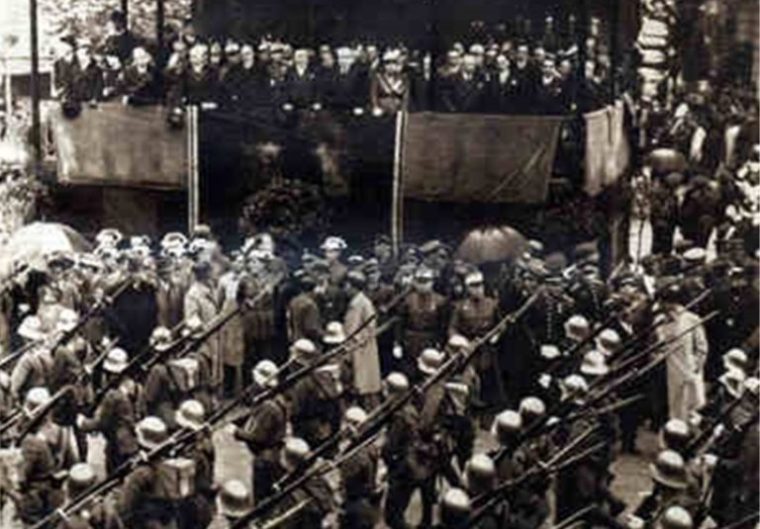
Meanwhile, Falangist militants intensified attacks against socialist organisers, trade unionists, Republican officials, and police officers. In response, socialist youth groups, communist militants, and anarchist activists retaliated through shootings, beatings, and street clashes. Madrid became one of the most unstable cities in Spain. Political funerals frequently became mass demonstrations accompanied by armed escorts, revolutionary songs, and violent confrontations with rivals or police. The funeral cortege of Giardia Civil officer Anastasio de los Reyes was attacked with pistols and submachine guns on several occasions through the city streets, sparking riots and shootouts (he been shot days earlier at a parade in Madrid).
University districts had also became increasingly radicalised. Student groups aligned with the Falange fought regularly with socialist and communist students. The Falange itself expanded significantly during April despite government repression. Although still electorally weak, the movement attracted conservative middle-class youth, radical monarchists, students, and anti-socialist activists. Its leader, José Antonio Primo de Rivera, increasingly became a symbolic figure for the radical right. The government viewed the Falange as a growing threat.
On 14 March, José Antonio had already been arrested, but throughout April Falangist networks continued operating underground through safe houses, clandestine meetings, weapons storage, and courier systems. The imprisonment of José Antonio actually increased his symbolic importance among supporters, who increasingly portrayed him as a martyr of anti-Marxist Spain.
One of the most important developments during April was the transformation of military dissatisfaction into increasingly organised conspiracy. The central figure became Emilio Mola in Pamplona. During April, Mola expanded communication between conservative officers, monarchists, Carlists, and anti-Republican civilian networks. Pamplona’s importance continued growing because Navarre remained deeply conservative, strongly Catholic, monarchist, and heavily influenced by Carlist militias. Carlists prepared thousands of Requetés for possible mobilisation. Weapons stockpiles increased quietly throughout the countryside. The relationship between the military conspirators and Carlists remained uneasy. Carlists wanted restoration of traditional monarchy and Catholic authority, while many generals focused primarily on destroying left-wing politics and restoring military order. Nevertheless, April saw growing practical cooperation between them.
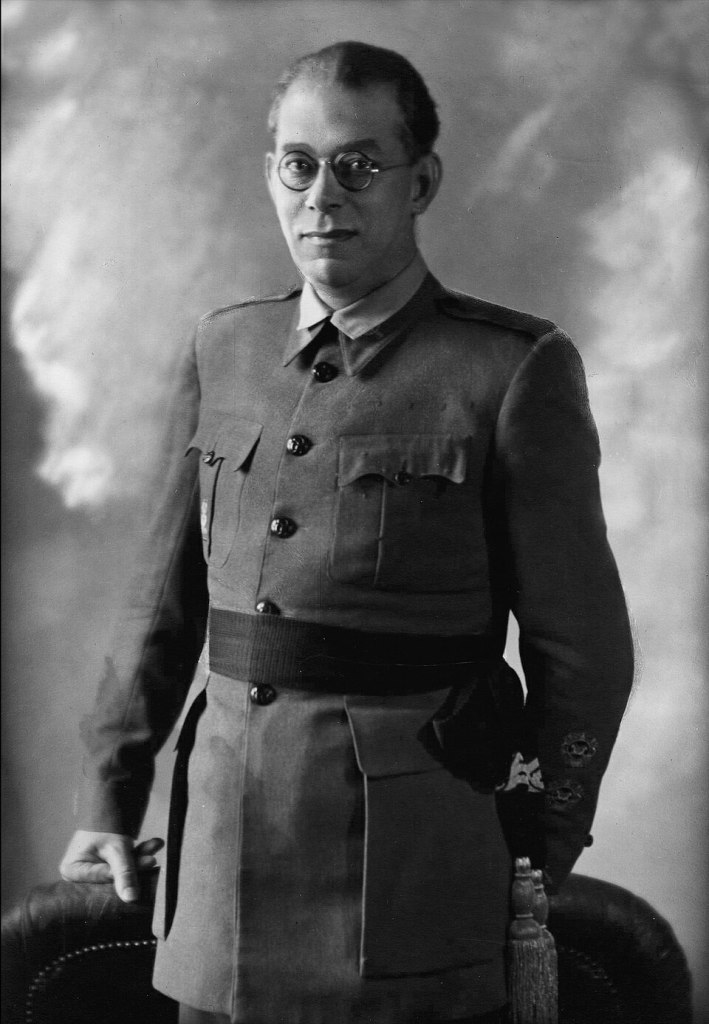
Meanwhile, Francisco Franco remained stationed in the Canary Islands after being transferred away from mainland command. Franco still hesitated more than some conspirators. Unlike Mola, he feared failed rebellion could destroy the army and produce revolutionary chaos. During April he increasingly communicated with anti-Republican officers and moved gradually closer toward conspiracy. Manuel Goded in the Balearic Islands also became increasingly connected to conspiracy discussions. At this stage, no final uprising date yet existed, but networks of coordination were becoming more sophisticated.
One of the most significant political developments of April occurred on 7 April 1936, when the Cortes voted to remove President Niceto Alcalá-Zamora. Alcalá-Zamora had increasingly alienated both left and right. Many on the left blamed him for allowing conservative governments to take power after the 1933 election, while conservatives distrusted him as a Republican secularist. The Popular Front majority argued he had improperly dissolved parliament previously and used constitutional justification to remove him. Right-wing politicians claimed the dismissal represented another step toward one-party domination by the left. José Calvo Sotelo condemned the move sharply in parliament, arguing constitutional norms were collapsing. The removal of Alcalá-Zamora further weakened confidence in Republican institutions among moderates and conservatives. Eventually, Azaña himself would move toward the presidency.
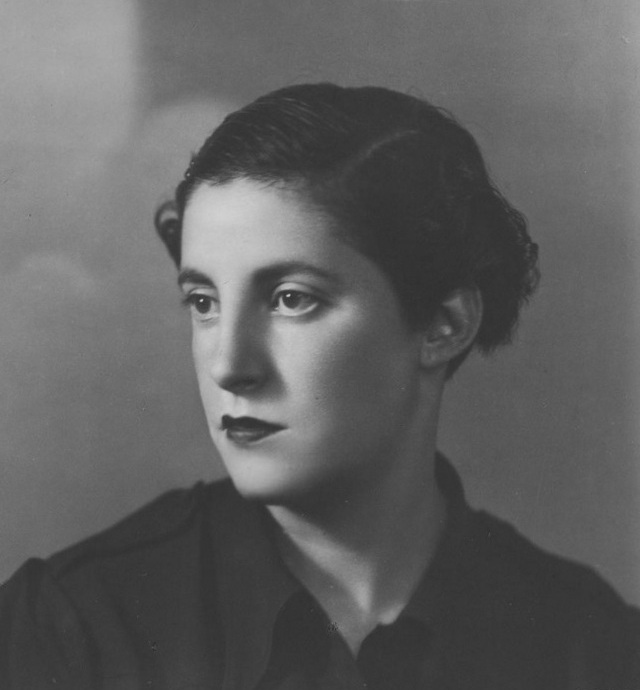
April saw several women become more publicly associated with Spain’s escalating ideological conflict. Dolores Ibárruri continued emerging as one of the most visible anti-fascist voices in Spain. Her speeches increasingly framed events as a struggle between fascism, reaction, and the survival of the working class. Margarita Nelken remained heavily involved in debates around agrarian reform and workers’ conditions, especially connected to Extremadura. On the right, Pilar Primo de Rivera became increasingly important within Falangist organisation while her brother José Antonio remained imprisoned. She helped maintain communication networks, women’s Falangist groups, propaganda distribution, and organisational structure. Conservative Catholic women’s groups also expanded activity during April. Religious processions, Marian devotions, and women’s Catholic meetings increasingly became political acts defending religion, family, and traditional Spain.
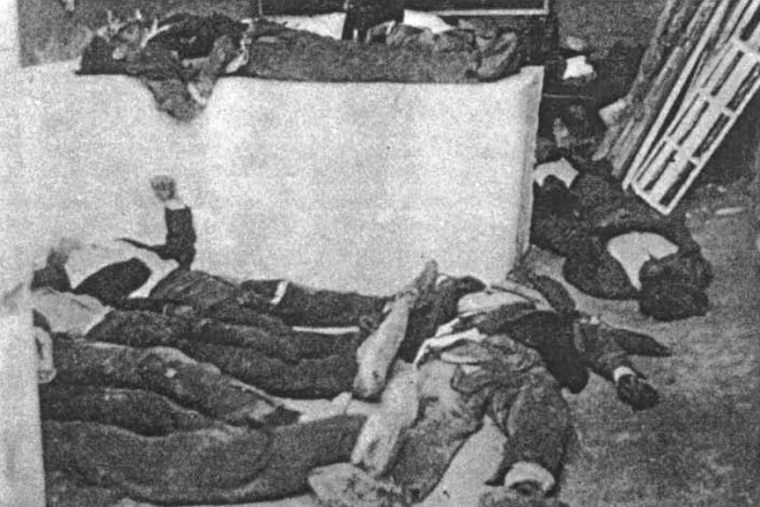
Religion remained one of the most emotionally explosive issues in Spain. Throughout April, churches were vandalised, religious imagery destroyed, and anti-clerical demonstrations occurred in several cities. Although not universal across Spain, these attacks received enormous newspaper attention. Conservative Catholics increasingly believed the Republic could not or would not defend the Church. Priests and religious newspapers increasingly framed the crisis as a struggle between Christianity and atheistic revolution. This fear became one of the strongest emotional drivers pushing conservative civilians toward support for military intervention.
May 1536
- 1 May – Massive May Day Demonstrations: Huge workers’ marches took place across Spain. In Madrid especially, socialist, communist, and union organisations demonstrated enormous street mobilisation capacity. For conservatives and military officers, the marches reinforced fears of revolutionary mass politics.
- 10 May – Azaña Becomes President: Manuel Azaña formally became President of the Republic.
- 16 May – Casares Quiroga Becomes Prime Minister: Santiago Casares Quiroga became Prime Minister. His government would ultimately face the military uprising in July. Historically, he became associated with hesitation and failure to respond decisively to conspiracy warnings.
- 19–20 May – Granada Election Reruns: The rerun elections in Granada became one of the clearest symbols of continuing electoral bitterness. Both sides treated the rerun as a test of legitimacy, and became deeply tied to debates about Catholic female voters, electoral intimidation, and regional conservatism. Catholic organisations strongly mobilised female voters through parish structures, religious newspapers, and conservative women’s groups. The Popular Front simultaneously campaigned heavily among urban women, poorer districts, and working-class female voters.
- 20 May 1936 – First issue of Mujeres Libres published: The first issue of Mujeres Libres appeared in Madrid. Founded by anarchists Lucía Sánchez Saornil, Mercedes Comaposada and Amparo Poch y Gascón, the magazine argued that women needed liberation from illiteracy, economic dependence and social prejudice as well as capitalism. Within two years the movement would grow to tens of thousands of members and become one of the most significant women’s organisations on the Republican side during the Civil War.
- Late May – Mola’s Instruction No. 1: Mola circulated increasingly detailed conspiracy instructions. These included military coordination, suppression of resistance, and use of severe repression. This was one of the clearest documented moments showing the conspiracy becoming operational rather than theoretical.
- Late May – María Rosa Urraca Pastor’s Carlist Mobilisation: By late May, María Rosa Urraca Pastor became increasingly prominent in conservative Catholic mobilisation. She gave speeches defending militant Catholicism, traditional monarchy, and anti-left politics. Unlike many women discussed vaguely in modern summaries, Urraca Pastor was genuinely politically influential among Carlist circles.
- 29 May – The peasants of Yeste in Albacete Province: Eighteen agricultural labourers were killed and twenty-nine wounded when the Guardia Civil opened fire at a crowd of workers protesting unfair arrests. Unlike many street assassinations, this was a confrontation between state forces and rural workers suffering extreme poverty and desperation. The victims were ordinary peasants, not politicians. The incident became a national scandal because of the death toll.
By May 1936, the political crisis in Spain had deepened significantly. The Popular Front government remained legally in power, yet authority increasingly fragmented beneath waves of violence, labour unrest, anti-clerical tension, and military conspiracy. What distinguished May from earlier months was the growing sense that political breakdown might no longer be reversible. Moderate republican politicians such as Manuel Azaña still hoped constitutional government could survive. Increasingly, , major sectors of Spanish society no longer believed compromise was possible.
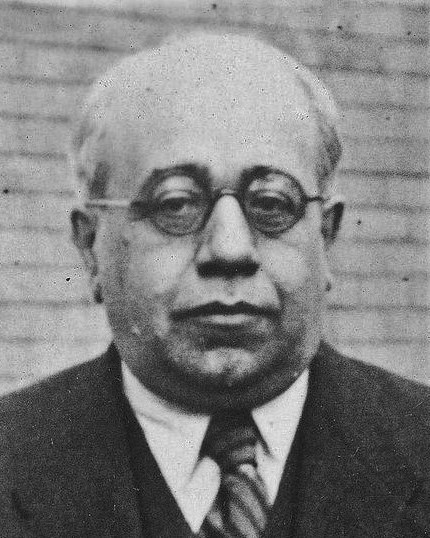
One of the most important developments of May occurred when Manuel Azaña formally became President of the Republic on 10 May 1936 following the removal of Niceto Alcalá-Zamora in April. Azaña had become the central figure of the Republican left, an intellectual, secular, anti-monarchist, and strongly committed to parliamentary government. To supporters of the Republic, Azaña represented constitutional reform and resistance to reactionary politics. To conservatives, monarchists, and much of the Catholic right, he symbolised secularism, anti-clericalism, and the weakening of traditional Spain. His elevation to the presidency alarmed many conservatives because they believed the moderate centre of the Republic was disappearing. Monarchist newspapers increasingly portrayed the government as captive to socialism and revolutionary pressure.
The replacement of Alcalá-Zamora also intensified criticism from the parliamentary right. José Calvo Sotelo became one of the fiercest critics of the new political order inside the Cortes. Throughout May, he delivered speeches warning that the state was collapsing, violence was spiralling, and the Republic was incapable of preserving order. Calvo Sotelo increasingly framed military intervention as historically necessary, even when not openly endorsing conspiracy directly.
The February election disputes continued into May through contested provincial results and rerun elections. The most significant controversies centred on Granada and Cuenca. In Granada, the original February election had been marred by intimidation, violence, and accusations of manipulation by conservative authorities connected to the outgoing government. The Popular Front claimed polling stations had been interfered with, left-wing voters intimidated, and counts manipulated in favour of the right. As a result, the February result in Granada was annulled and rerun in May 1936. The rerun became symbolically important because both sides treated it as a referendum on the legitimacy of the Republic itself. The Popular Front ultimately improved its position significantly in the repeat election, strengthening left-wing claims that the original conservative victory had depended upon coercion and electoral interference.
The election in Cuenca was rerun because the results of the February general election were annulled by the Cortes after numerous complaints of electoral irregularities and fraud. The controversy centred on accusations that local authorities controlled by the right had manipulated the vote. At the time, many town councils in Cuenca were in conservative hands, and there were allegations of pressure on voters, interference in polling stations, and irregularities in the counting process. Candidates from the Popular Front argued that the election had not been conducted fairly. After reviewing the complaints, the Cortes voted to invalidate the results and order a new election. The rerun took place on 3 May 1936. By May, the political climate was even more polarised than it had been in February. The Popular Front won decisively, securing most of the seats at stake, while the right retained only a small representation. Cuenca became a symbolic battleground in the wider argument over whether the Popular Front’s electoral victory was legitimate. The right claimed the Cortes had overturned lawful results for partisan reasons, while the left argued the rerun merely corrected fraud that had already distorted the February vote.
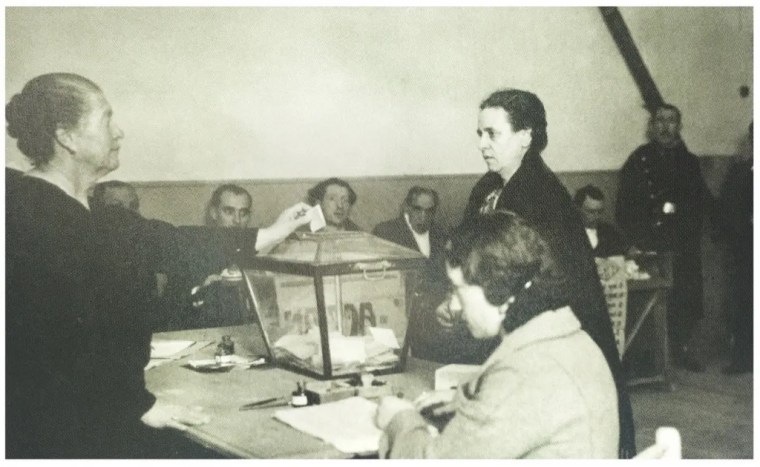
The reruns also reignited political debate around female voters. Granada remained heavily Catholic, socially conservative, and strongly influenced by traditional religious networks. Conservative parties again mobilised female Catholic voters intensely through parish organisations, religious newspapers, and women’s Catholic groups. Left-wing parties simultaneously campaigned aggressively among urban and working-class women to counter conservative influence. Unlike earlier simplified claims that women voted conservative, voting patterns in regions such as Granada revealed major divisions based on class, urban versus rural location, literacy, and religious influence. Working-class women in cities often supported the Popular Front, while conservative Catholic women in rural districts frequently supported the right. Specific women remained active politically during these contests.
Violence intensified sharply throughout May. Madrid experienced shootings, political assassinations, bomb attacks, and regular street battles between militants. The Falange expanded underground activity despite continued arrests of its leadership. Although José Antonio Primo de Rivera remained imprisoned in Alicante, Falangist cells continued organising through clandestine communication networks. Government repression against the Falange intensified as arrests increased, meetings were banned, and publications monitored. Yet repression often strengthened the movement’s self-image as a persecuted nationalist vanguard. At the same time, socialist and communist youth organisations expanded armed patrols in working-class neighbourhoods. One example is the death of Captain Carlos Faraudo who was shot in Madrid on 8 May 1936, and died a day later. Faraudo was a military engineer officer and socialist sympathiser who trained socialist youth groups. On the evening of 8 May, two Falangist gunmen approached him while he was walking with his wife in Madrid and shot him. His name had appeared at the top of a list allegedly prepared by the pro-fascist-leaning Unión Militar Española (UME), another secret military organization opposed to UMRA. Contemporary investigations linked the murder to Falangist hit squads targeting left-wing military officers. Like most outbreaks of violence during this time, no one was held accountable, but shootings and beatings on the streets had become increasingly common all over the country.
May became one of the decisive months in transforming military dissatisfaction into active conspiracy. The central figure remained Emilio Mola in Pamplona. Throughout May, Mola expanded contacts between conservative officers, monarchists, Carlists, Falangists, and sympathetic civilians. Pamplona effectively became the organisational heart of the conspiracy because Navarre offered strong conservative support and a deeply Catholic social environment hostile to the Republic. During May, Mola began drafting increasingly detailed operational plans for military uprising. These plans included seizure of communications centres, arrest of Republican officials, control of transport networks, and suppression of unions and left-wing organisations. Most significantly, Mola increasingly discussed the need for severe repression after the coup. His writings during this period repeatedly stressed that the uprising must eliminate resistance rapidly and decisively.
Meanwhile, Carlist militias expanded preparation. Thousands of Requetés trained quietly in rural Navarre, stockpiled rifles, organised transport, and prepared uniforms. Their leader, Manuel Fal Conde, continued negotiating with military officers despite lingering distrust between Carlists and sections of the army. Elsewhere, Francisco Franco remained cautious in the Canary Islands, Manuel Goded strengthened anti-Republican contacts in the Balearic Islands, and Gonzalo Queipo de Llano quietly expanded conspiratorial networks in Seville. At this stage, Franco still hesitated more than Mola. He feared failed rebellion could trigger social revolution, fragmentation of the army, and national collapse.
Social unrest continued intensifying throughout May. In Andalusia and Extremadura, peasant land occupations expanded further. Agricultural workers entered estates demanding redistribution, employment, and implementation of agrarian reform promised by the Popular Front. Many landowners increasingly viewed the situation as revolutionary expropriation rather than protest. Industrial strikes also spread through Madrid, Barcelona, Bilbao, and Valencia. The CNT anarchists remained particularly influential in Catalonia, where workers increasingly discussed direct action independent of parliamentary politics.
June 1936
- 1–3 June – Labour Unrest and Political Violence Continue: Early June saw continued strikes and violence across Spain. In Madrid and Barcelona, shootings between Falangists and left-wing militants continued, police raids targeted Falangist networks, and workers’ organisations increased defensive organisation. The CNT anarchists in Barcelona expanded preparations for possible military confrontation. Though not yet openly arming en masse, anarchist groups increasingly assumed conflict with the army was likely. Meanwhile, conservative newspapers intensified claims that Spain was descending into revolution.
- 4 June – Mola Intensifies Conspiracy Coordination: Around early June, Emilio Mola significantly expanded direct coordination with military officers throughout Spain. Mola’s communications during this period became more concrete, by identifying which officers could be trusted, planning seizure of communications, discussing martial law, and coordinating Carlist militia participation. The conspiracy also increasingly moved beyond monarchists alone and became a broader anti-Republican coalition.
- 5–7 June – Falangist Violence Escalates: The Falange intensified underground violence during these days despite continued arrests. Falangist militants carried out shootings, intimidation attacks, and bombings. Government repression against the movement increased in response.
- 8 June – Franco Writes Hesitant Communications: During early-to-mid June, Francisco Franco still hesitated about full participation in rebellion. Franco feared a failed coup, fragmentation of the army, and uncontrolled revolution. He communicated cautiously with conspirators and remained less aggressive than Mola during this stage. This hesitation frustrated some conspirators, who worried Franco might remain passive, but his ‘prestige’ within the army made him too important to ignore.
- 10–12 June – Parliamentary Hostility Intensifies: Parliamentary sessions during these days became especially hostile. José Calvo Sotelo delivered increasingly inflammatory speeches accusing the government of tolerating anarchy, failing to defend religion, and allowing Spain to collapse. Meanwhile, left-wing deputies accused monarchists and conservatives of preparing fascist dictatorship. Public reporting of parliamentary speeches intensified fear across Spain. Newspapers printed exchanges dramatically, reinforcing the belief that coexistence was collapsing.
- 16 June – Famous Cortes Session: One of the most important parliamentary sessions of the entire pre-war period occurred on 16 June 1936. During this debate, José Calvo Sotelo sharply attacked the government, accusing it of weakness and national destruction. Prime Minister Santiago Casares Quiroga defended the Republic but appeared increasingly unable to reassure opponents. The atmosphere inside parliament became openly hostile. During the session, communist deputy Dolores Ibárruri reportedly warned Calvo Sotelo that ‘this man has spoken for the last time’ or similar phrasing, though the exact wording remains historically disputed and later mythologised by Nationalist propaganda. What mattered politically was that many conservatives increasingly viewed parliament itself as unsafe and illegitimate. This session became enormously symbolic after Calvo Sotelo’s murder in July.
- 17–20 June – The Conspiracy Becomes Operational: Military officers throughout Spain increasingly received coded instructions, coordination plans, and information regarding uprising logistics. Discussions intensified regarding timing, troop movements, securing communications, and military zones. At this stage, the conspiracy increasingly expected prolonged conflict rather than a quick coup. Mola repeatedly emphasised the need for severe repression. He argued the uprising must eliminate resistance rapidly through terror and military force before workers’ organisations could organise effectively.
- 21–24 June – Public Fear Intensifies: Political killings and street violence continued during late June. In cities such as Madrid, many civilians avoided political gatherings, rumours spread constantly, and newspapers increasingly discussed possible coup openly. Many ordinary civilians began storing food, avoiding travel, or quietly preparing for instability.
- 25–27 June – Morocco and Army Planning: The conspiracy increasingly focused on Spanish Morocco during late June. The Army of Africa remained crucial because it contained Spain’s most professional troops, the Foreign Legion, Moroccan Regulares, and experienced colonial officers. Figures including Juan Yagüe,and José Enrique Varela became increasingly important in planning future military coordination. Meanwhile, planning intensified regarding how Francisco Franco could eventually move from the Canary Islands to Morocco once rebellion began.
- 28–30 June – The Final Psychological Shift: By the final days of June, much of Spain psychologically expected major violence.
The atmosphere across Spain during June was one of accelerating fear, anger, and fatalism. For many on the left, fascism appeared imminent, the army looked increasingly disloyal, and the Republic seemed under siege. For many on the right, revolution already appeared underway, parliamentary government looked powerless, and military intervention increasingly seemed necessary. Moderates still existed, particularly around Manuel Azaña and sections of the Republican middle class, but by June their influence weakened dramatically beneath pressure from radicalisation on both sides.
The government continued arresting Falangists and banning activities, but this repression often strengthened the movement’s narrative of martyrdom and national salvation. Many middle-class conservatives who did not necessarily support fascism began sympathising with anti-Republican violence because they increasingly believed the state had lost control. At the same time, sections of the left also radicalised significantly during June. Within the Socialist Party, divisions deepened between moderates such as Indalecio Prieto, and more revolutionary figures such as Francisco Largo Caballero. Largo Caballero increasingly used revolutionary rhetoric, causing conservatives and moderates to fear the Popular Front might eventually become openly socialist or revolutionary. Communists also expanded influence during June through disciplined anti-fascist organisation. Anarchists in Barcelona and Catalonia increasingly distrusted parliamentary politics altogether. The CNT and FAI discussed workers’ self-defence, revolutionary preparation, and resistance to possible military uprising. In working-class districts, many labour activists already believed armed conflict was likely inevitable.


You must be logged in to post a comment.