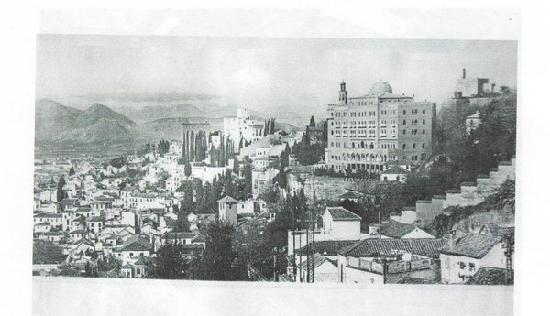
The military had uprising reached Granada on 20 July 1936 and within three days, Nationalist forces had secured the provincial capital, ending organised Republican resistance inside the city. The fighting in Granada itself was relatively brief, but the capture of the city did not mean the province had fallen. In the mid-1930s, Granada city had a population of approximately 118,000, while Granada province was home to around 770,000 people living across more than 200 municipalities. More than 80% of residents lived outside the capital, in market towns, mountain villages, mining communities, and agricultural settlements spread across the Vega, the Alpujarra, the north-eastern plateau, and the western districts. Controlling the city therefore left the vast majority of the province’s population beyond the immediate reach of the new Nationalist authorities. While Granada city remained firmly under Nationalist control, many rural communities continued to support the Republic or had yet to experience the arrival of Nationalist forces. Some villages organised local defence, while others waited anxiously to see which side would arrive first. In many places, political authority remained uncertain as news travelled slowly between isolated communities.
For the people living outside Granada city, the Civil War was only beginning. The military struggle that secured the provincial capital lasted only a few days, but the arrests, reprisals, and political violence that followed across the province continued throughout the summer. Between July and September 1936, thousands of people were imprisoned, executed, or ‘disappeared’ in Granada province. Many were buried in roadside graves, cemetery pits, or remote ravines, and for numerous victims the exact date of death can no longer be established.
Granada differed from several other provinces in western Andalucía during the opening days of the Civil War. Political tensions had intensified throughout the Second Republic, but province had not experienced the same level of revolutionary violence seen in parts of Seville, Córdoba or Badajoz before Nationalist forces established control. Political meetings, strikes, land disputes and occasional outbreaks of violence had deepened divisions between left and right, but in many towns daily life continued much as it had for hundreds of years. Neighbours with opposing political views still worked together, traded in the same markets, attended the same festivals, and often belonged to the same extended families.
But like other locations, the political landscape was also far more complex than a simple division between Republicans and Nationalists. Supporters of the Republic included members of the UGT and CNT trade unions, the Spanish Socialist Workers’ Party (PSOE), the Communist Party (PCE), Republican parties, many teachers and municipal officials, agricultural labourers seeking higher wages and land reform, and people who simply believed Spain’s elected government should remain in power. Many had never belonged to an armed organisation and would never take part in fighting. Support for the Nationalists was equally diverse. It included Falangists, monarchists, Carlists, many practising Catholics, conservative political parties, numerous landowners, business owners, and people who feared that the Republic could no longer maintain order. Much of the officer corps and many members of the Guardia Civil supported the military uprising, while others backed it because they believed it offered stability after years of political unrest.
The elections of February 1936 reflected these divisions but did not produce a clear political map. Granada city contained substantial support for both the Popular Front and conservative parties, while the countryside varied from district to district. Villages dominated by large estates and landless agricultural workers often produced strong socialist and republican movements, whereas communities with different patterns of land ownership or long-established conservative influence frequently supported parties of the right. In many municipalities, local personalities, family loyalties and traditional patronage networks influenced voting as much as national politics.
When the military uprising began in July 1936, these political differences suddenly acquired far greater significance. Organisations and political parties that had operated legally only days earlier became evidence of loyalty or suspicion, depending on which side controlled a town. Union membership, election campaigning, holding municipal office, or publicly supporting the Republic could become grounds for arrest once Nationalist forces established authority. At the same time, Falangists, conservative activists and other supporters of the uprising often assumed positions of influence within local administrations or assisted the new authorities by identifying political opponents. Because these divisions already existed within almost every community, the repression unfolded among neighbours who already knew one another’s occupations, political views, family connections and personal histories. Existing rivalries, labour disputes and local grievances merged with political repression, making it possible to identify and arrest hundreds of people within days of a town coming under Nationalist control.
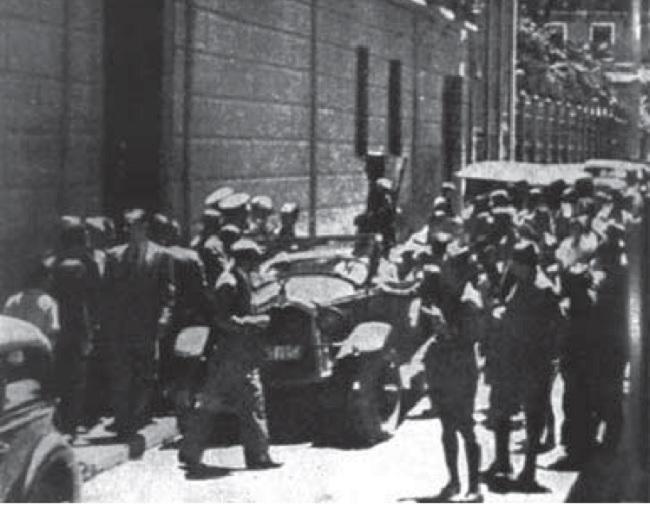
At approximately five o’clock on the afternoon of 20 July 1936, rebel officers brought Granada’s garrison into the streets and declared the state of war. They arrested General Miguel Campins after he initially refused to join the coup and compelled him to sign the proclamation. Rebel soldiers then occupied the Civil Government, town hall, telephone exchange, railway station, banks, newspaper offices, Armilla aerodrome, and the explosives and munitions factory at El Fargue. Sections of the Guardia Civil and the Cuerpo de Seguridad y Asalto joined them, while Falangists and other armed right-wing volunteers supported patrols and guarded captured buildings. The rebels detained the civil governor, the mayor, the president of the provincial council, and other Republican authorities before they could organise a coordinated defence.
Workers and Republican supporters concentrated in the Albaicín, where they possessed few firearms and relied heavily on hunting weapons, improvised defences, and barricades. They could not expect effective reinforcement from outside the city, and the government had failed to arm Granada’s labour organisations before the garrison rose. Rebel forces used rifles, machine guns, and artillery against the neighbourhood. By 23 July, they had entered the Albaicín and destroyed the last substantial pocket of resistance inside Granada. The available evidence does not provide a dependable total for those killed during these three days of fighting. Rebel troops shot some captured defenders and suspected supporters during the clearance of the district, but the number killed in combat or immediately after capture was small beside the mass killing that followed. The rebels began repression while they were still suppressing the Albaicín. Military and police patrols searched homes, union premises, newspaper offices, and public buildings. They arrested elected officials, members of the PSOE, Izquierda Republicana, the Communist Party, the UGT, and the CNT, as well as teachers, journalists, railway workers, lawyers, doctors, university staff, and labourers known for supporting the Republic. Falangists and local informants supplied names, addresses, political affiliations, and accounts of strikes or election activity. People also used the new system to revive personal, workplace, and family disputes. A denunciation did not have to prove that anyone had taken part in the fighting. Known union membership, service on a Republican council, public support for the Popular Front, or an accusation from a neighbour could lead to detention.
The central direction came from the authorities created by the coup. Commander José Valdés Guzmán, appointed civil governor, controlled public order in the city. Guardia Civil lieutenant José Nestares Cuéllar became an important organiser of the repression outside Granada and along the road towards Víznar. Police chief Julio Romero Funes controlled officers, informants, and armed squads inside the city. These men matter because the killings did not result only from undisciplined Falangists acting independently. Military, police, and civil authorities created the detention system, authorised removals, and allowed armed parties to operate. Falangists, soldiers, Guardia Civil personnel, police officers, and civilian right-wing volunteers all participated at different stages.
Repression began almost immediately. Rather than pursuing armed opponents on the battlefield, the new authorities turned their attention to people they already regarded as political enemies. Soldiers and Guardia Civil patrols arrested Republican councillors, trade union officials, teachers, left-wing party members, municipal employees, and others associated with the Republic. Falangists rapidly became involved in identifying suspects, while local supporters of the uprising supplied names and information about neighbours. Men who had taken no part in the fighting were detained alongside those who had attempted to defend the Republic.
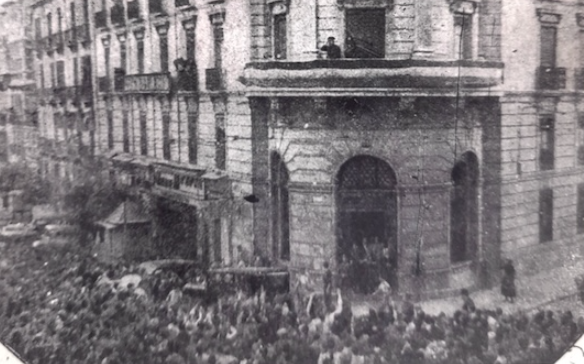
The volume of arrests soon overwhelmed Granada’s existing detention facilities. Authorities crowded prisoners into the police station, the Civil Government, the provincial prison, and improvised centres. The provincial prison had room for approximately 400 people, but its population rose above 2,000 during the repression throughout August and September. Families carried food and clothing to prisoners when guards allowed it, waited outside buildings, though prisoners were usually moved at night. The first large execution system operated at San José Cemetery, on the hill above the city. Guards and armed escorts brought prisoners to the cemetery walls, where firing squads shot them and cemetery workers buried their bodies in graves inside the grounds. The victims included people captured during the uprising and others arrested after rebel control had become secure. The killings continued beyond the summer and throughout the war, but the first months were exceptionally intense. Vehicles left Granada carrying prisoners under armed guard, while families rarely knew where their relatives had been taken or where they had been buried. Research cited in the official designation of the cemetery walls as a Place of Historical Memory records more than 2,000 executions though a later memorial at the cemetery names 4,015 people executed and buried in the Granada burial ground.
August 1936 brought the heaviest recorded monthly killing at the cemetery, with approximately 572 executions, an average approaching 20 deaths each day, though the numbers varied and firing squads often killed prisoners in groups. Among those executed were Granada’s mayor, Manuel Fernández Montesinos, former mayors and councillors, the president of the provincial council, journalists, doctors, lawyers, teachers, and university professors. The authorities also killed far larger numbers of workers whose names carried no public prominence: bricklayers, railway employees, agricultural labourers, shop assistants, printers, mechanics, and union organisers. The killing therefore removed both the Republic’s visible leadership and the ordinary people who had sustained its parties, unions, councils, and press.
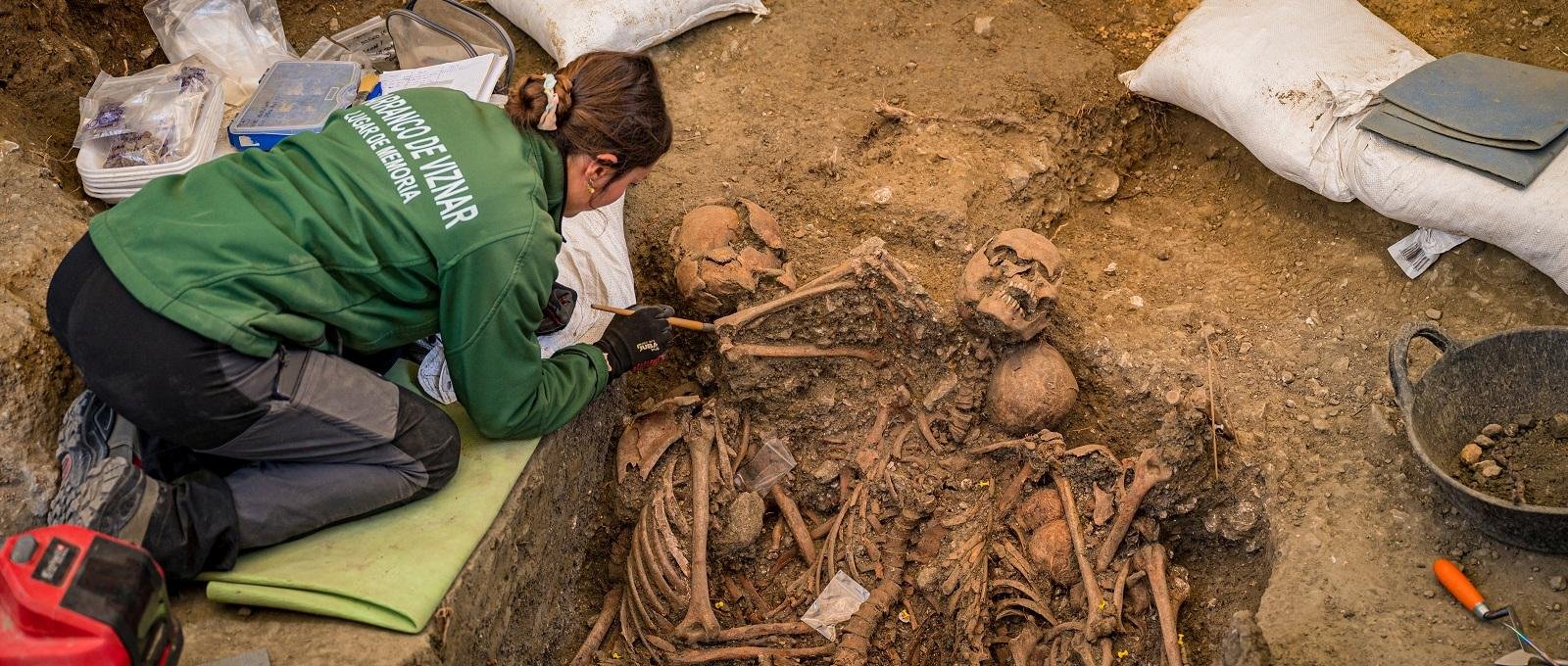
A second killing system operated 10km northeast of Granada, along the road through Víznar towards Alfacar. Armed escorts transported prisoners from the city to Víznar, approximately nine kilometres away. Some passed through La Colonia, a former children’s holiday building converted into a holding place. The guards then took groups to roadside pits, ravines, and wooded ground around Víznar and Alfacar, where firing squads shot them. During the first weeks, killers used several sites along the road and around Puerto Lobo. By September, the Barranco de Víznar had become one of the principal execution and burial areas. Recent archaeological work has confirmed repeated burials containing men and women killed by gunfire, some with their hands restrained and personal objects still beside them.
The men who carried out these removals included Falangists, police officers, Guardia Civil personnel, soldiers, and members of armed groups commonly described as escuadras negras. Some squads operated under police direction; others received vehicles, weapons, or prisoners from the authorities and enjoyed considerable freedom. Their members searched homes, seized people at night, guarded transports, and participated in executions. Rebel officials later portrayed some killings as the uncontrolled work of criminals, but the squads could not have removed large numbers of prisoners from guarded buildings, travelled through military-controlled territory, and used established killing sites without official cooperation.
The repression also reached women directly. Authorities arrested women for their own membership in left-wing parties or unions, for work as teachers or political organisers, and because male relatives had fled. Armed groups shaved women’s heads, poison them with castor oil, paraded them publicly, beat them, and commit rape and assault. These punishments marked women as members of defeated Republican families and warned others against offering help to fugitives or prisoners. Wives and mothers also had to search prisons, police buildings, cemeteries, and official offices for men who had disappeared. In many cases, officials refused to tell them whether a relative remained in custody or already lay in a grave. For countless families, women became the principal witnesses who preserved the memory of those who never returned.
Night-time arrests became a defining feature of daily life. Armed patrols arrived at houses after dark or before dawn, ordered suspects into the street, allowed only moments to dress, and transported them away in lorries or cars. Some detainees believed they were being transferred to another prison or questioned by the authorities. Many never returned. For families, every knock on the door carried the possibility that another husband, son, daughter or parent would disappear.
* I will write about Lorca separately, but this video, no Spanish required, is a good indication of what it was like to be taken to Alfacar
News of the city’s fall spread quickly through the still-Republican province despite the confusion of the uprising. Refugees leaving Granada carried accounts of fighting and arrests into neighbouring towns. Railway workers, travellers, postal employees and family networks passed on reports as they moved between communities, while radio broadcasts and newspapers confirmed the tragic news with just days of the uprising. The reaction varied from town to town in communities where support for the Republic remained strong, local authorities and volunteers organised militias, erected roadblocks, collected hunting weapons and prepared to resist advancing Nationalist forces. Some families quietly hid relatives known for their union or political activities, while others fled towards areas that remained under Republican control. In towns where supporters of the uprising held influence, conservative groups emerged more openly, prepared to assist Nationalist forces when they arrived.
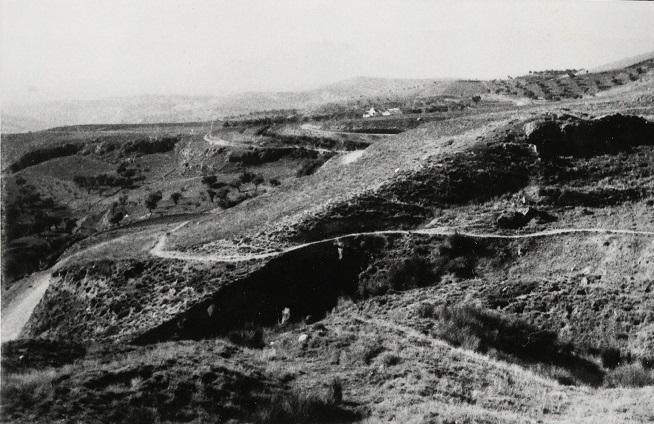
Nationalist occupation did not follow exactly the same course in every town, but a recognisable pattern emerged across much of Granada province during the summer of 1936. Some communities resisted advancing troops for hours or days, while others surrendered without fighting. Once military resistance ended, however, the priorities of the occupying forces changed quickly. Their objective was no longer to capture territory, but to eliminate organised political opposition and establish permanent control. The first task was to secure the town. Soldiers occupied the town hall, Guardia Civil post, telephone exchange and other important public buildings where they existed. Republican mayors, councillors and local officials were removed from office, weapons were confiscated, and public meetings and trade union activity were prohibited. Within hours or days, authority passed from the elected Republican administration to military commanders or newly appointed local authorities loyal to the uprising. Local Falangists, members of the political right, landowners, municipal officials who had joined the uprising, and others familiar with the community identified people associated with the Republic. Trade union members, councillors, teachers, labour organisers, left-wing activists and individuals who had openly supported the Popular Front often appeared on the first lists. In small villages, where most residents knew one another personally, political loyalties and family backgrounds were already well known. Little investigation was needed to identify those considered enemies of the new regime.
Prisoners were commonly held in whatever buildings were available. Existing prisons quickly became overcrowded, forcing authorities to use town halls, schools, warehouses, private buildings and other improvised detention centres. Some prisoners remained there only a few hours, while others spent days or weeks awaiting interrogation, transfer or execution. Families frequently received little information about where relatives had been taken, and visits were often impossible.
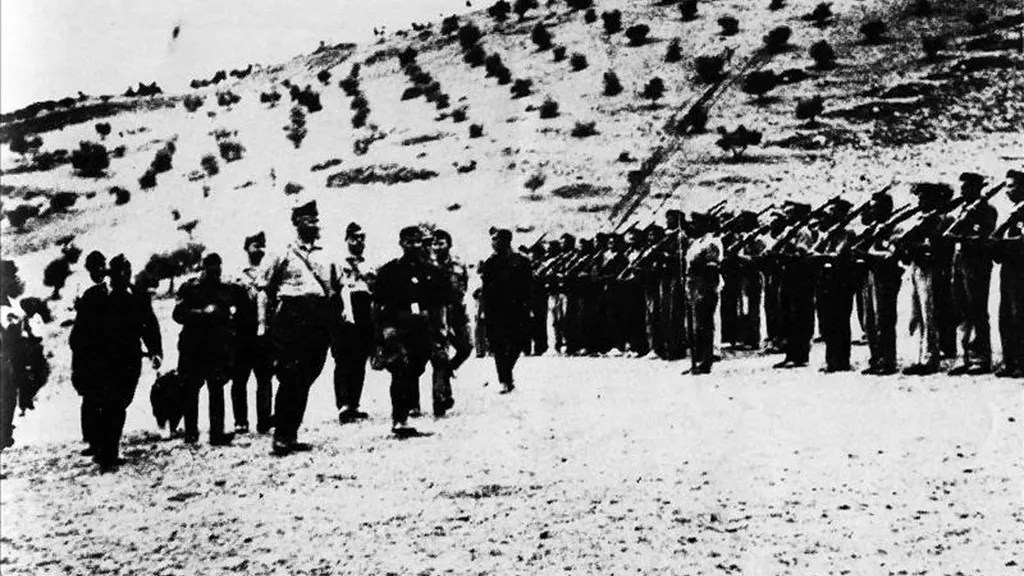
Executions generally took place away from the centres of population. Prisoners were removed in small groups and transported to cemeteries, roadside ditches, ravines, quarries or isolated rural locations before being shot. Many were buried in unmarked graves without official records, while death certificates, where they existed, often concealed the true circumstances of their deaths. Although military authorities authorised or oversaw much of the repression, the process depended heavily on local knowledge. People were often arrested because neighbours, employers, political opponents or acquaintances identified them to the new authorities.
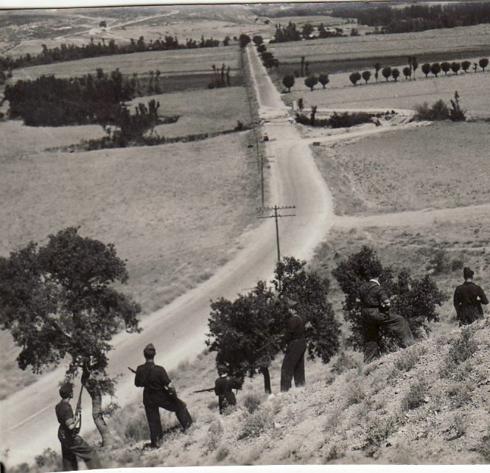
The occupation affected women differently from men, although many also faced arrest and execution because of their own political activities. Female members of socialist, communist and republican organisations, trade union activists, teachers and municipal employees were among those detained in Granada province, and some were executed alongside male relatives or colleagues. Others were arrested simply because they were the wives, mothers or daughters of men who had fled or joined Republican forces. Women also became targets of public humiliation intended to intimidate entire communities. Across Granada province, Nationalist authorities and their local supporters subjected many women associated with the political left to having their heads shaved, being poisoned with castor oil, public parading through the streets, insults and physical abuse. These punishments sought not only to degrade the women themselves but also to demonstrate the consequences of opposing the new regime. In documented cases elsewhere in the province, women were also subjected to rape, though the assaults went unreported because of stigma and fear. Thousands of women became widows, lost fathers, sons or brothers, or were left to support families after male relatives disappeared into prisons or mass graves. Many spent years searching for information about missing family members while trying to avoid attracting the attention of the authorities.
As August gave way to September in Granada city, the machinery of repression had become routine. Military patrols no longer needed to secure the city; their task had become maintaining control through fear. Executions continued at San José Cemetery and around Víznar, while arrests expanded as investigators worked through denunciations and prisoner interrogations. The authorities also extended their attention beyond Granada city as Nationalist control spread across the province. Prisoners from surrounding towns joined those already held in the capital, linking Granada’s detention centres to the wider campaign of repression unfolding throughout the province.
By the end of September, Granada had become one of the principal centres of Nationalist repression in Andalucía. Thousands of people had passed through its prisons, hundreds had been executed in the city during August alone, and the road to Víznar had become synonymous with disappearance and death. Yet Granada represented only one part of a much larger story. As Nationalist forces occupied towns across the Vega, western Granada, the Alpujarra and the north-east of the province, the methods first employed in the capital were repeated in community after community, leaving behind prisons, execution sites and mass graves that still shape Granada’s historical memory today.

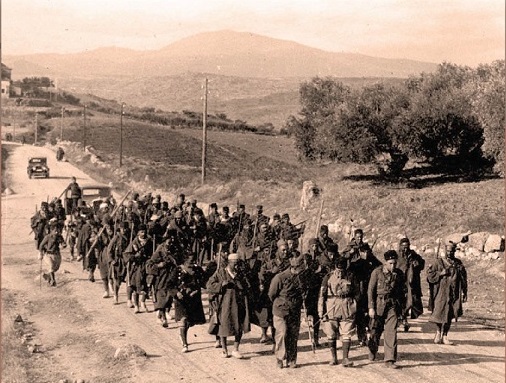
What the other parts of the province saw was a different approach. The forces that left Granada to capture the region were improvised military columns assembled from the units that had captured the city. Most contained soldiers from the Lepanto Infantry Regiment No. 2, supported by detachments from the 4th Light Artillery Regiment, whose field guns provided the firepower needed against barricades and defended buildings. Columns also included members of the Guardia Civil, Assault Guards who had joined the uprising, armed Falangists and other right-wing civilian volunteers familiar with the surrounding towns and villages. Infantry travelled in lorries carrying rifles, ammunition and hand grenades. Machine guns accompanied many operations, while larger expeditions took field artillery and mortars capable of destroying barricades or forcing the surrender of defended positions. Aircraft operating from Armilla Aerodrome flew reconnaissance missions, carried messages between columns and, on some occasions, strafed or bombed Republican positions ahead of the advancing troops. A small village might be occupied by a few dozen soldiers supported by Guardia Civil and Falangists. Operations against larger towns required several hundred men, artillery, machine guns and multiple vehicles. As Republican resistance weakened, the Nationalists increasingly divided their available forces into several mobile columns so that neighbouring towns could be occupied in quick succession.
The first objective was the Vega de Granada, the fertile plain surrounding the provincial capital. Control of the Vega secured the roads leading west towards Loja, north towards Jaén, east towards Guadix and south towards the Lecrín Valley and the Alpujarra. Once these routes were secure, the Nationalists pushed progressively further from Granada, occupying one community after another and extending their control across the province during the summer of 1936. The full human cost of the Nationalist repression in Granada province will never be known with certainty. Thousands of people were executed without meaningful judicial process, many deaths went unrecorded, and countless victims disappeared into unmarked graves. Historians continue to debate the exact number of victims, but there is broad agreement that Granada experienced one of the most extensive campaigns of repression in Andalucía, with the overwhelming majority of killings occurring after the Nationalists had secured military control.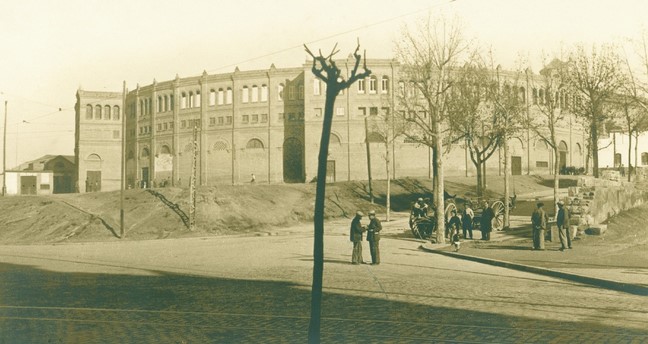 The Granada bullring, part of the barracks needed for the Nationalists, via Bonifacio Soria Marco
The largest estimated mass grave in the province lies 18km from Granada city at the Barranco del Carrizal near Órgiva in the Alpujarra. Contemporary testimony described lorries arriving loaded with prisoners from villages across the Alpujarra and the Granada coast and, later, civilians captured after La Desbandá in 1937. Victims were executed and buried or thrown directly into the ravine. The Mapa de Fosas de Andalucía estimates that around 4,000 people are buried in the surrounding area, while other historical studies and local memory place the figure at around 5,000, making Carrizal one of the largest known mass grave sites in Andalucía. Much of the site remains unexcavated, meaning its full extent has yet to be established. But across Granada province, archaeologists and historians have identified hundreds of small graves in municipal cemeteries, olive groves, ravines, road cuttings and abandoned quarries. Some have been excavated and their victims identified through documentary research and DNA analysis. Many others remain untouched, concealed beneath farmland, roads or later development. Nearly ninety years after the executions, new graves continue to be located, demonstrating that the map of Granada’s repression is still incomplete.
One of the defining features of the repression in Granada province was the systematic movement of prisoners away from their own communities. While many towns witnessed executions during and immediately after their occupation, large numbers of detainees were instead transported to Granada, where the provincial authorities concentrated imprisonment, and execution under a single system. Prisoners arrested in villages across the Vega and surrounding districts often disappeared into the overcrowded Provincial Prison, police headquarters or the detention centre at La Colonia de Víznar before being executed at San José Cemetery, Víznar or Alfacar. This differed markedly from the pattern seen in provinces such as Seville, Córdoba and Huelva, where many victims were shot in or near their own towns shortly after arrest and buried in local cemeteries, roadside graves or nearby fields. In Granada, the provincial capital became the principal centre of repression. Removing prisoners from their hometowns isolated them from their families, concealed their fate from local communities and concentrated the machinery of killing in a handful of locations. As a result, many municipalities recorded relatively few local execution sites despite suffering heavy losses, because many of their victims died dozens of kilometres away in Granada’s central execution grounds.
One exception is located on the fertile Genil plain approximately 45km west of Granada and 10 kilometres at Huétor Tájar, a predominantly agricultural community of around 4,300 inhabitants. Large estates and a substantial population of agricultural labourers had shaped local politics throughout the Second Republic, while long-running disputes over land ownership and tenancy had made the municipality a centre of rural political tension well before the Civil War. Nationalist forces occupied Huétor Tájar on 19 August 1936 as they consolidated control over western Granada following the capture of Loja and the Vega. Republican authority collapsed quickly, and arrests began almost immediately. Historical research has identified around 21 victims from the municipality, with at least 14 people murdered during the initial wave of repression between July 1936 and March 1937. Two mass graves are known within the municipality. The best known was located on the Cuesta de las Albercas, where prisoners were executed and buried in a common grave overlooking the town. For fifty years, the victims remained where they had fallen. In 1986, relatives, supported by the Huétor Tájar Town Council, then governed by the Communist Party of Spain (PCE) under Mayor José Ayllón Iranzo, organised one of the earliest locally driven exhumations in democratic Spain. The excavation recovered the remains of twelve people, including two women, from the grave at the Albercas slope. On 31 March 1986, the municipal council formally approved the transfer of the recovered remains to the municipal cemetery and the construction of a mausoleum for their collective burial. Although little documentation survives describing the excavation itself, the recovery stands as an early example of families reclaiming victims of the Francoist repression decades before Spain’s later programmes of archaeological investigation and historical memory.
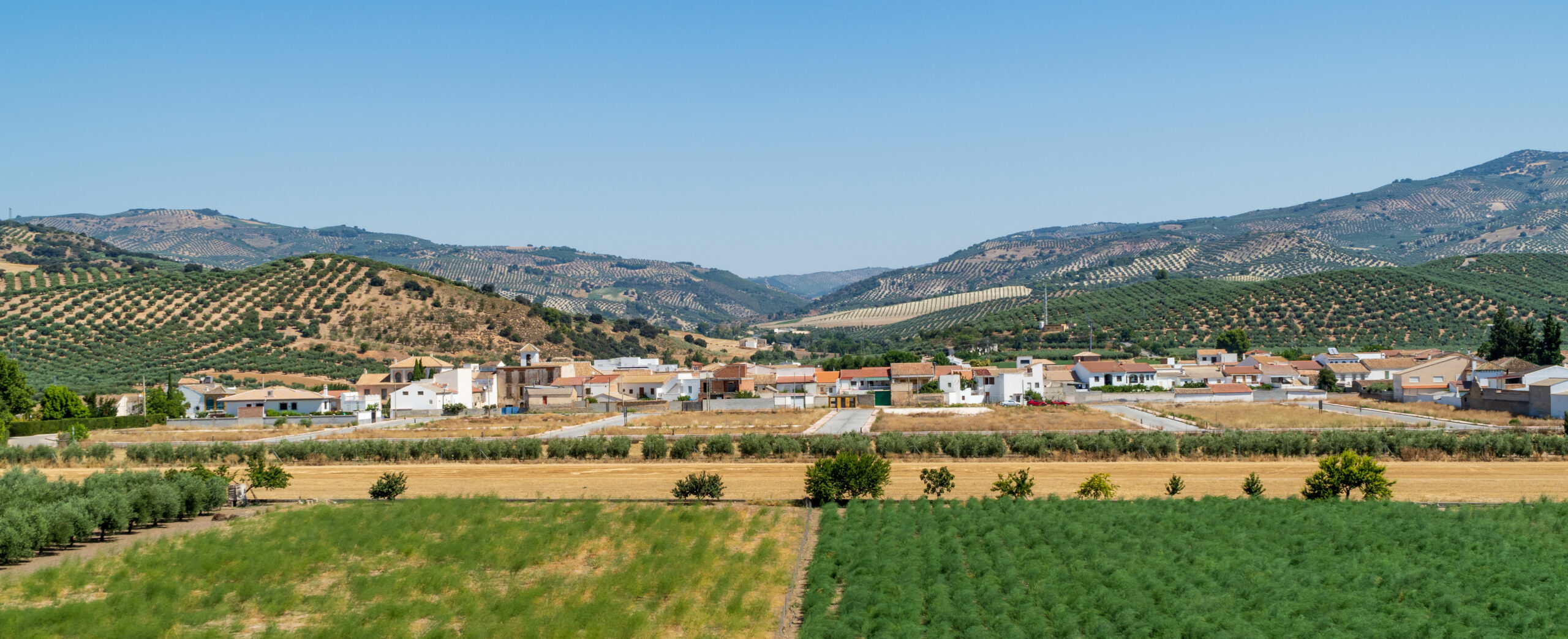
The village of Tocón 10km away was a small agricultural hamlet within the municipality of Íllora, lies approximately 35 kilometres west of Granada and 10 kilometres east of Loja, on the route linking the Vega de Granada with western Andalucía. In 1936, Tocón was a rural community of only a few hundred inhabitants, surrounded by cereal fields and olive groves, while the wider municipality of Íllora had a population of approximately 11,000. The district experienced the same political tensions that affected much of western Granada during the Second Republic, where disputes over land, agricultural employment and local government divided many communities. Nationalist forces occupied the area during their advance through western Granada in the summer of 1936, and the surrounding countryside became the scene of arrests and executions as the new authorities consolidated control. One of the least understood execution sites is believed to lie on the road towards Tocón, on a steep embankment opposite the railway line. According to local testimony and historical research, prisoners were executed at the roadside and buried in a common grave cut into the slope. The identities of those buried there remain largely unknown, several historical sources estimate that the grave may contain around 70 victims, making it one of the larger undocumented burial sites in western Granada. Some researchers believe they may have been residents of nearby towns and villages, while others suggest that prisoners were transported from elsewhere before being executed. To date, the grave has not been comprehensively excavated, and no definitive list of victims has been established. Like many rural execution sites across Granada province, the Tocón grave survives largely through local memory and documentary research, illustrating how many victims of the Nationalist repression remain unidentified 90 years after their deaths.
Another kind of mass grave site exists, an example being in nearby Íllora, , along the road leading to Alomartes. The area, known locally as Pago de la Guitarana, consists of gently rolling farmland planted with olive groves, typical of the western Granada countryside where many isolated executions took place during the first months of the Civil War. A grave is believed to lie in a small clearing among the olive trees, around 20 metres from the Illora–Alomartes road. Witnesses identified the location as a place where prisoners were taken after the Nationalist occupation of the district and executed away from the towns and main roads completely unmarked and unrecorded. In many of these cases, a relative would hear someone they knew was killed through a whisper and would have to go out and bury the bodies where they lay themselves.
The number of people buried at sites Illora–Alomartes road remains unknown all over the country. No comprehensive archaeological excavation has yet confirmed the grave or established the identities of those believed to be buried there. As with many rural execution sites in Granada province, knowledge of the location has survived largely through oral testimony passed between local families.
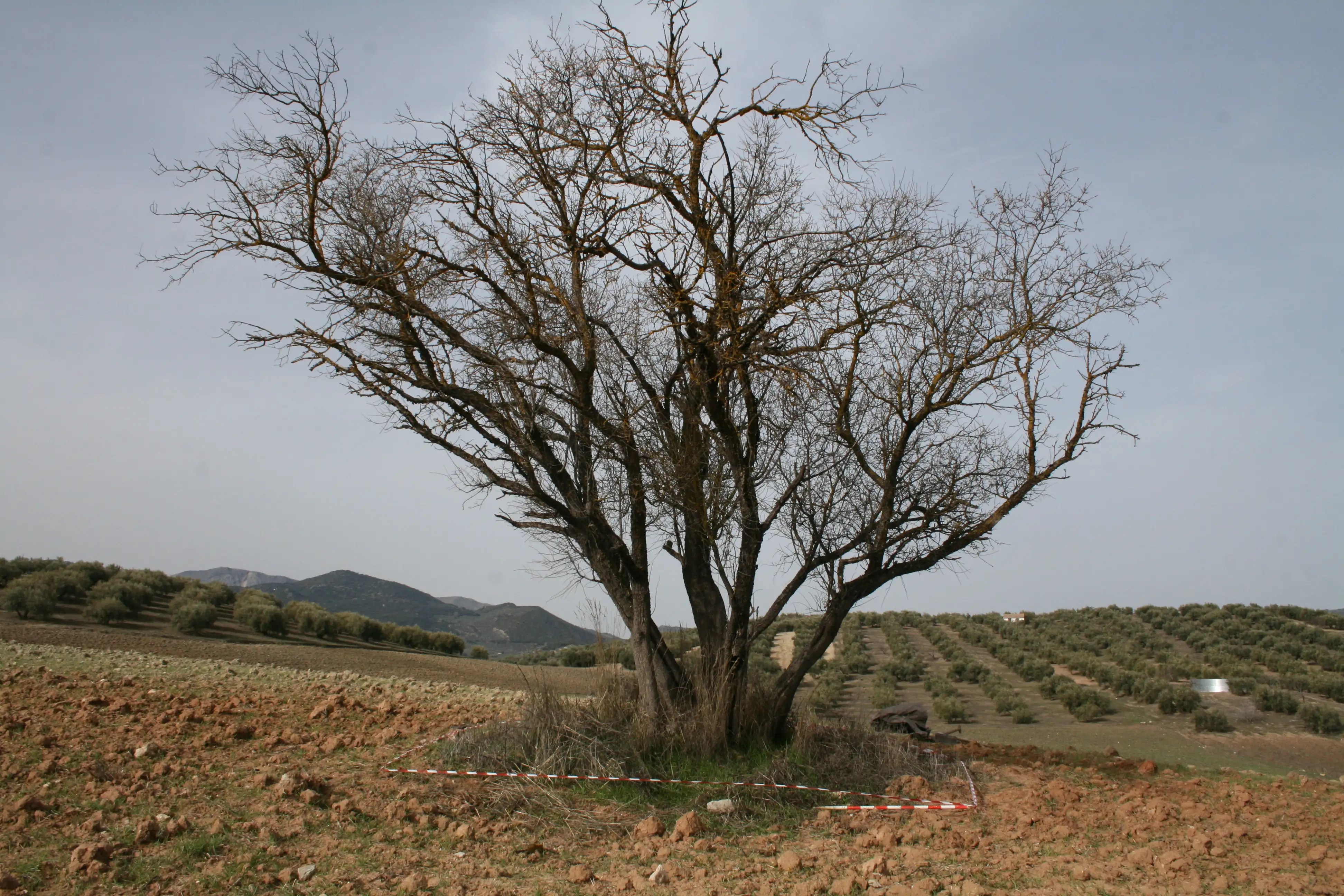
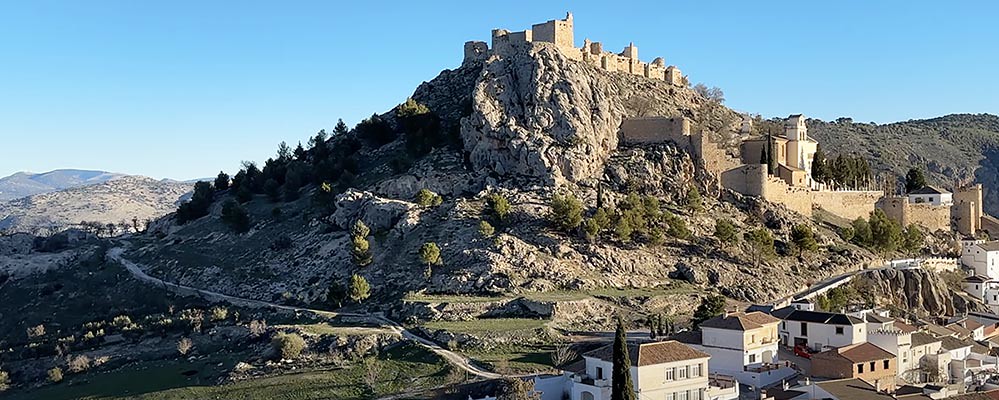
Another example is the mountain town of Moclín, approximately 35km north-west of Granada, occupied a strategically important position overlooking the approaches between the Vega de Granada and the western mountains. With a population of around 5,000 people in the mid-1930s, the municipality comprised the main town and several surrounding villages whose economy depended largely on agriculture. Nationalist forces occupied Moclín during the summer of 1936, and, as elsewhere in western Granada, the military advance was quickly followed by arrests and political repression. One of the municipality’s best-documented execution sites at Puerto Lope lay beneath a solitary almond tree, where local memory preserved the location of a small mass grave for decades. Archaeological excavations carried out in 2014 confirmed the accuracy of those accounts, recovering the remains of three men who had been arrested in October 1936, shortly after the rebel occupation of Moclín. The victims were between 42 and 50 years of age and had all died violently. One skull still contained a rifle bullet, a second displayed the exit wound from a gunshot, and a third retained a projectile lodged within the skull, confirming that each man had been executed by shooting. The excavation also revealed personal belongings buried with the victims. One man still had a knife concealed inside his shoe, while coins remained beside another set of remains, poignant reminders that they had been taken directly from custody to the execution site with their everyday possessions still on them.
The scale of the killings, of the city being empties of Republics, of the mountain towns and agricultural plains being stripped of the locals, their workers, their family members, school emptied of teachers, homes left empty, continued unbated throughout Granada as neighbour turned against neighbour, not requiring an invading army, but turning on each other, invariably rich against the poor, people left to die on roadsides or funnelled though the death sites around Granada city. Many joined the fleeing refugees of Córdoba and Seville provinces, and the killing would continue the small gravesites continuing to stack up into the 1950s once every single person was hunted down. The hatred would never stop.
 CAROLINE ANGUS