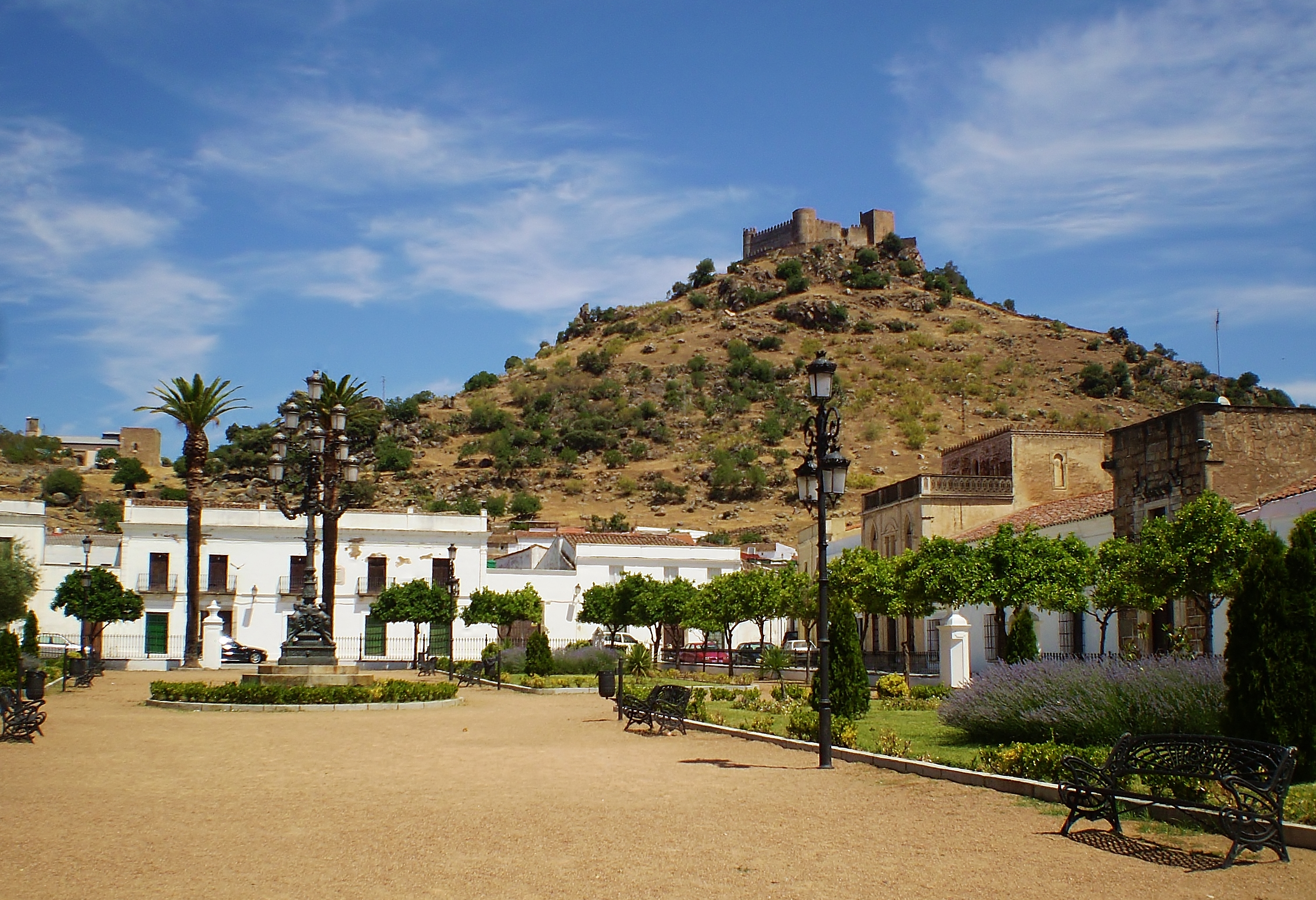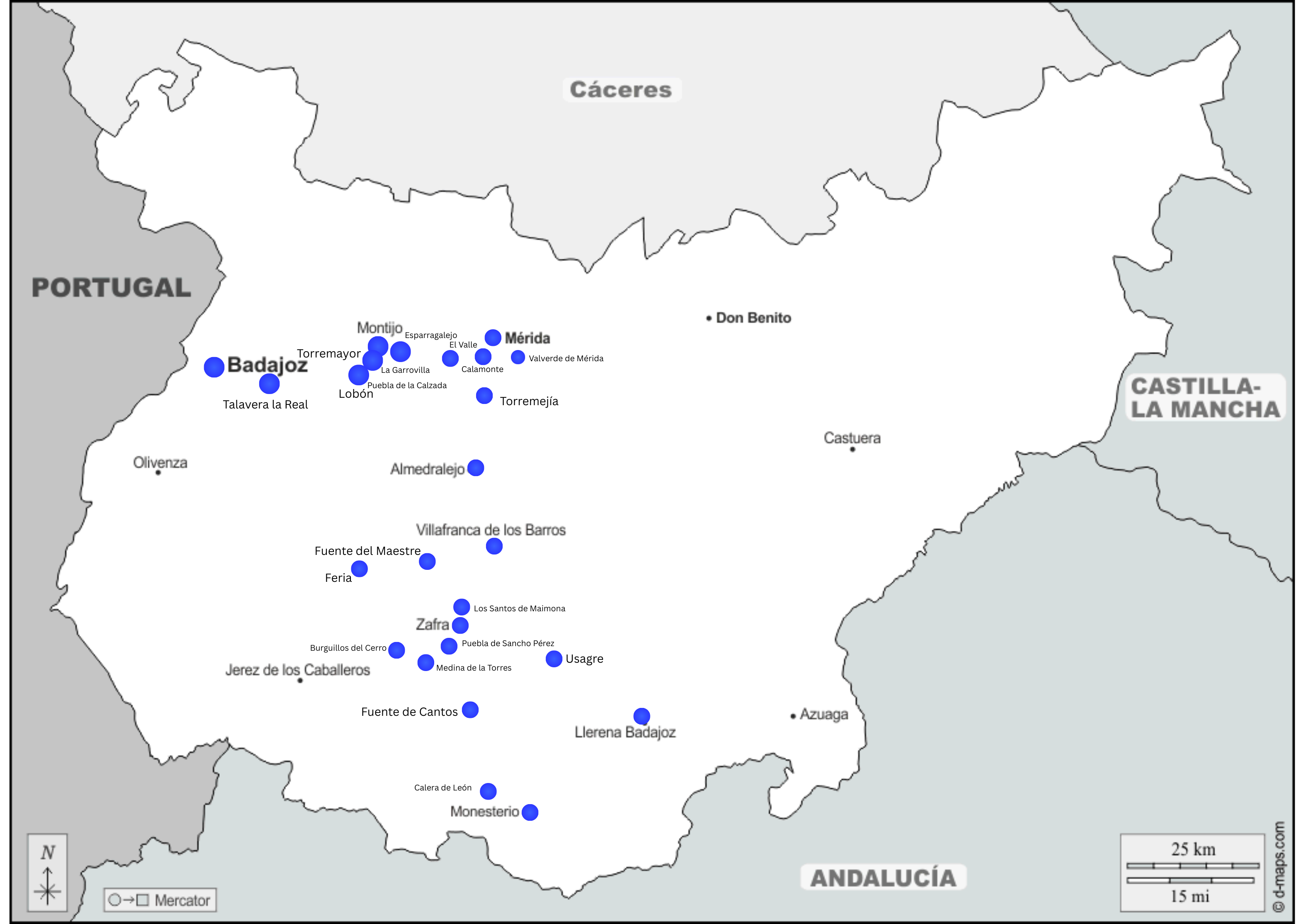
The Army of Africa forces reached Monesterio on 4 August 1936. Fighting was considerably heavier than at Santa Olalla, with Republican militia attempting to delay the advance through the town and on the surrounding approaches. Superior training, coordinated attacks, and greater mobility gradually forced the Republicans to abandon their positions and retreat northwards, preserving what forces they could for the next line of defence. The capture of Monesterio confirmed that the Republican strategy of delaying the advance through successive defensive positions was proving ineffective against the speed of the Nationalist offensive. Nationalist authorities in the area secured the town, arrested individuals identified as political opponents, trade union members, or supporters of the Republic, workers who had expected liveable wages, or just be treated like human beings really, and began imposing the new order. As elsewhere during the offensive, military operations occupied only a small part of the town’s wartime experience. The repression that followed would become the defining memory for many local families. Historical investigations have identified Monesterio as one of the many communities affected by the wider campaign of executions that accompanied the Nationalist advance through southern Extremadura. Researchers continue to document victims and reconstruct the identities of those killed, while local memory initiatives have sought to preserve evidence of the repression alongside the military history of the campaign. Historians have identified numerous victims of the repression, how many of the 3,800 inhabitants survived is unknown, as many had time to flee north. Archaeological investigations have documented a fosa in the cemetery containing the remains of 17 people, though 55 are listed as arrested and killed. Osteological analysis indicates that the group included fifteen men and two women. Five bodies were removed privately by relatives in 1980, leaving the remainder in the fosa. Despite subsequent investigations, only one victim has so far been identified, Bautista Sayago Romualdo, aged 36, from Monesterio, whose name appears in the exhumation records. The identities of the remaining victims remain unknown.
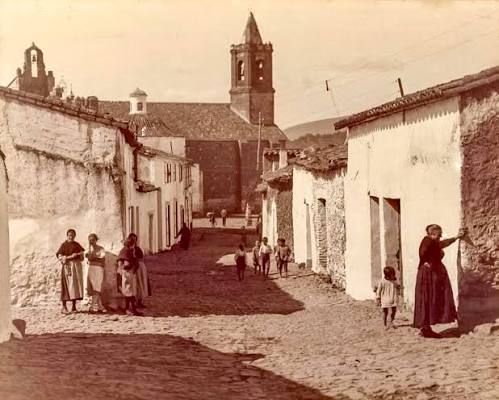
The absence of a documented fosa suggests a pattern of taking groups outside of towns and shooting them on roadsides rather than organising mass sites. Similar investigations in neighbouring Calera de León have also failed to locate the mass burial places long believed to exist near the cemetery. In nearby Fuente de Cantos, however, documentary and oral evidence shows that prisoners were taken outside the town before being executed and buried in rural locations. Whether the same occurred at Monesterio remains unknown, but the comparison illustrates the difficulties historians and families face when attempting to locate the disappeared. In the decades after the war, communities often developed a shared understanding of where the disappeared had been buried. Modern archaeological investigations have shown that these traditions are invaluable starting points, but they are not always accurate. In Calera de León, excavations undertaken in 2016 at the request of the family of former Republican councillor Nicasio Calvo Rodríguez failed to locate any human remains in the area identified by local testimony. The result did not disprove the killings; instead, it demonstrated that the search for the disappeared remains unresolved. No records as always, can attempt to calculate the numbers of women shaved, poisoned, paraded, and pack raped by both the vicious army or the local right-wingers and Falangists. These were ‘good, upstanding’ local men who had to keep their enjoyment of rape and murder among themselves to keep up appearances. As rape was widely encouraged, many in Andalucía and Extremadura were noted for joined the cleaning of Republicans just for the enjoyment of spreading pain and suffering over anything else (yes, that fact is documented, but I hate these people too much to give them more attention).
After securing Monesterio, the Army of Africa continued north along the N-630 towards Fuente de Cantos, population 11,000, the next major obstacle on the road to Zafra and Mérida. Unlike several smaller villages that fell with little resistance, Fuente de Cantos became the scene of determined fighting. Republican militia, local volunteers, and loyal security personnel attempted to block the advance, but they faced veteran Legionnaires and Moroccan Regulares supported by superior firepower and battlefield experience. The defenders were steadily forced back, and once organised resistance collapsed the town passed into Nationalist hands. The town and surrounding countryside the town already become refuge for civilians escaping the Army of Africa’s advance across southern Extremadura and now were being intercepted and shot before reaching safety, while many others were rounded up after the occupation. Approximately 300 people were imprisoned in August, with 157 executions immediately, and the rest left to be tortured before executions over the next six-eight weeks.
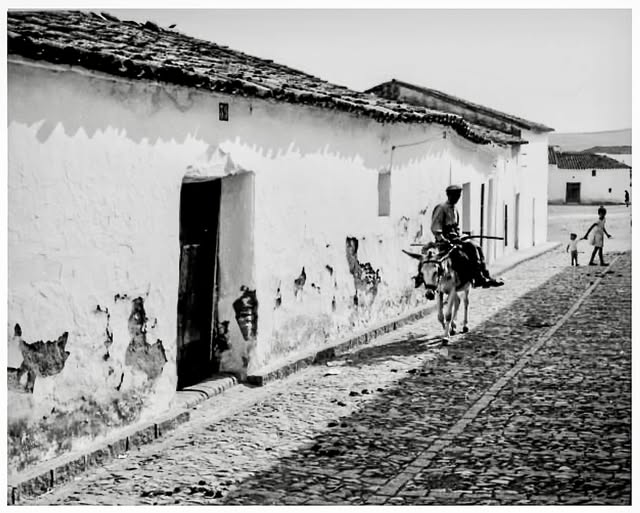
Nationalist authorities justified the reprisals by referring to the events of 19 July, when several right-wing supporters inside the Fuente de Cantos parish church died after the building was set alight in the chaotic opening days of the uprising. The deaths became the principal justification offered for years of repression that followed the occupation, although the scale of the executions far exceeded the earlier killings. Republican officials, trade unionists, labour organisers, left-wing voters, labourers, and suspected supporters were systematically arrested, while relatives and acquaintances of those who had escaped were also targeted, as executions of rape could be used as punishment for being related to someone who had managed to escape the town. Executions took place both inside and outside the town. Historical memory research has identified sites including nearby La Molineta, Cerca de Pedro Moñino, the road to Cabeza la Vaca, Huerta Sevilla, Puente de las Azorrillas, Curva de los Bayones on the Ruta de la Plata roads, and El Pizarral. The municipal cemetery became the principal execution site, though eyewitnesses recalled watching some prisoners being forced to dig graves before being shot, while cemetery workers later described finding bodies felt lying along the paths or gathered in the centre of the cemetery needing burial.
Among the best-known victims was Mayor Modesto José Lorenzana Macarro. During the Republic he had earned a reputation for attempting to relieve poverty in the town by supplying low-cost food and, according to later accounts preserved by Paul Preston and local historians, had intervened to prevent violence against right-wing residents during the first days of the uprising. After fleeing with the Republican retreat, he managed to escape but heard his wife and five daughters were imprisoned in his absence. He returned to the town, offering himself in their place, and he was tortured and beaten and dragged behind a horse and executed all in the town plaza in front a crowd, by local Falangist Sixto Castillón. Other stories associated with Castillón included many murders and the enduring belief that he was haunted by Lorenzana, and the several children he killed so much so he cried name on his deathbed after seeing their ghosts. The occupation also left a legacy that extends beyond the documented executions. Testimony also preserves accounts of sexual violence against Republican women after the occupation, but needed to be hushed up, as the rapists with local Falange members from ‘good’ local families, so victims needed to be moved out of town.
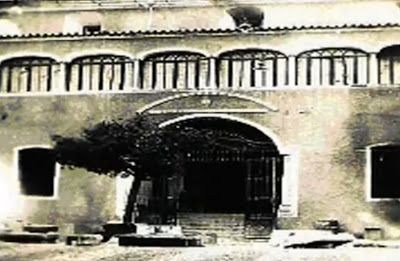
Modern investigations have shown how difficult it remains to locate many of the victims. In 2008, a geophysical survey identified anomalies within the cemetery that appeared consistent with possible burials at a depth of around 1.7 metres. Archaeologists subsequently excavated the area using both mechanical and manual methods, but no human remains were found. Like the unsuccessful search at neighbouring Calera de León, the investigation demonstrated that even where memory points to a specific burial location, the fate of many of those executed during the Army of Africa’s advance through southern Extremadura remains unresolved. Given that groups of refugees, well into the hundreds in each group, were hunted in coming days and weeks in the region, mass graves of those killed by the army, and those killed by mounted local Falangists cannot be separated.
Not all massacres in the areas can be attributed to the Legionarios and Regulares of the Army of Africa. Local Nationalist and Falangist supporters had to advantage of fleeing Republic refugees and societal collapse and take back areas they believed were theirs but virtue of being wealthy and well-connected. One such location hat suffered this near the route of the Army of Africa is Medina de las Torres just 20km northwest of Fuentes de Cantos. In 1979, tried to raised funds for the exhumation of the remains of those who died during the Spanish Civil War, buried in a 1936 mass grave in the San Isidro Municipal Cemetery, and their reburial in the same cemetery, and the local council agreed to fund a measly 1/20th of the cost. The area where the remains were located was identified by one of the people who had participated in the executions. A group of residents sought him out and forced him to point out the location in the cemetery where the remains were buried, which confessed out of fear for himself, despite having lived comfortably alongside the relatives of those he murdered over 40 years earlier. A gravestone now covers an area (large enough to see on google maps) with 55 named victims, and definitely says, ‘Here lie the remains of people shot by the fascists and the Governing Commission of the Spanish Civil War 1936-39.’ In line with the ‘Pact of Forgetting’ none of the murderers were ever charged despite confessions, as is the case throughout the country. Another 13km west of Medina de las Torres is Valverde de Burguillos, who in 2009, requested their own cemetery searched, finding another 60 executed locals, a town that had only 1,100 people in 300 households during the war, only a third the size of Medina de la Torres.
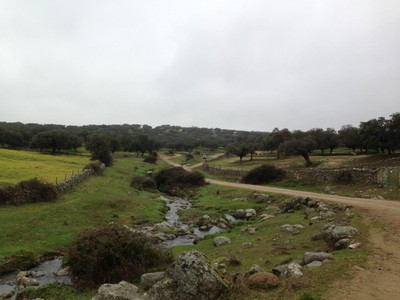
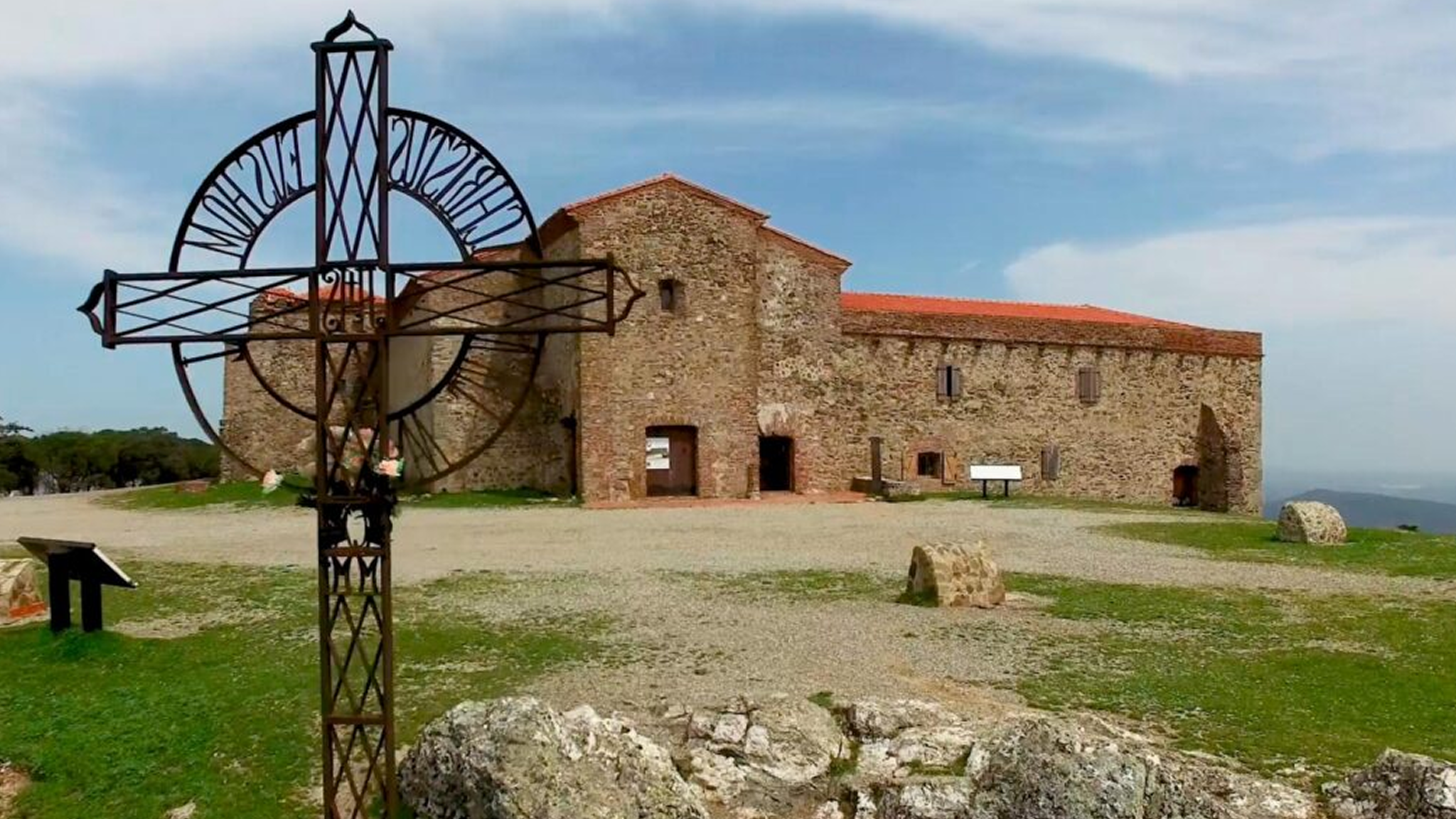
Just 13km west of Medina de la Torres sits Burguillos del Cerro, established a democratically elected local council in 1979, and the first exhumations in Extremadura began, done by the families of the murdered victims with the aim of recovering and honouring their loved ones who were victims of the Franco regime. In 1979 two gravesites containing victims of repression were exhumed, one located on the agricultural property of Nave Burgos estate off the EX-112 road outside town, and the other inside the cemetery. Skeletal remains were recovered from the two mass graves and subsequently reburied in a plot of land provided within the cemetery. A monument was then erected, ‘To those who died in defence of the Republic during the Civil War 1936-1939.’ In a conversation with Manuel Lima, who sought further information, he recounted that a very modest ceremony was held without any media coverage; it was not reported in any publication, nor were any photographs taken. It is believed the graves were both sites of initial repression, and used frequently, particularly at the estate of Naves Burgos, were peasants fleeing repressions were hunted down and killed throughout the war on the still-private land.