This Week in Spanish Civil War History – Week 8: 5 – 11 September 1936

 Week 8: 5 – 11 September 1936

If you are new and don’t understand the Basque country, it is an independent region of Spain in the far north. It is (roughly on the above map) the green and two smaller red locations to its left, at top under France. Today it is fully restored to its people.

September 5

The beautiful Basque city of Irún, in Spain’s north, is destroyed in battle. The city is in a pivotal location on the coast, and on the borders of both France and the Spanish region of Navarre. As Navarre is a stronghold for the Carlists on the Nationalist side, the 3,000 Republican fighters need to hold Irún in order to gain supplies from France. Nationalist destroyers and battleships have been bombarding the town for almost a month, and also have planes, tanks and 2,000 well-trained soldiers. German and Italian planes bomb the town, and drop pamphlets, warning the population of mass executions like in the town of Badajoz. Most of the battle takes place on the south side of the city near the Convento de San Marcial, where Republicans fighters, made up of Basque nationalists, miners of Asturias (who are akin to fighting), and communists volunteering from France, are alongside the locals. However they lack training and weapons, with only some guns, dynamite, and eventually reduced to throwing rocks.

Republicans surrender in Irún

Fighting goes on throughout the day, and the Republicans shoot vicious Nationalist Colonel Alfonso Beorlegui Canet in the leg, on the international bridge of Irún (he will die a month later of gangrene). But the Republicans are forced to retreat and abandon their city. Anarchist militia set fire to many key locations in the city as they flee, so they cannot be used by the Nationalists. (This decision would lead to many propaganda scenarios throughout the war, as Nationalists would then destroy a town and say ‘the rojos did it, just like in Irún, despite the fact it was untrue) Many of the population flee either to the safety of France if they can, or retreat further into the Basque country. Nationalist forces can now continue on towards the critical port city of San Sebastian, just 20 kilometres away. The Basque country is already cut off from a rest of Republican Spain and is set to become a guinea pig for German bombers practicing for WWII.

Irún post-siege

September 5 – 6

The battle of Cerro Muriano commences in the province of Cordoba, in Spain’s south. Following the battle in the city of Cordoba in August, outlying areas are now ready to be taken by the Nationalists, with Cerro Muriano just 20 kilometres north of the city. The Columna Miaja, which have up to 3,000 Republican fighters in the region, engage in a 36-hour siege between them and violent Regulares soldiers from Morocco and many Spanish Legion troops. The battle leaves a huge number of men dead in the town. The Republican side is completely eliminated while the Nationalist take the town with few deaths.

The battle of Cerro Muriano includes the moment captured of the iconic ‘Falling Soldier’ photograph by Robert Capa, and will be covered in a ‘This Week in Spanish Civil War History Extra’ post.

Falling soldier by Robert Capa

September 6

Italian aircraft arrive on the island of Mallorca to set up new bases, so they can begin serious bombing campaigns on the mainland, especially targeting Barcelona.

September 8

Portuguese sailors on two navy vessels mutiny against their officers, so they can seize the ships and go to Spain, to help the Republicans. But the mutiny is crushed by men who are loyal to Portuguese dictator António de Oliveira Salazar. The mutiny only strengthens repression against communism and left-wing ideals in Portugal.

September 9

The first Non-Intervention Committee meeting is held in London. The meeting has 23 countries represented, with only Mexico supporting the Republicans. But because the borders are closed and ships patrol the coast, Mexico cannot give the Republican government support or supplies. Larger South American nations such as Chile, Peru, Brazil and Argentina support the Nationalists, and Germany and Italy are part of the committee, yet their dictators continue to aid the Nationalists. Britain and France are sitting on their hands like naughty children, the US is trying to keep clear, but Russia want to help communist interests within the Republic.

Meanwhile, in Toledo…

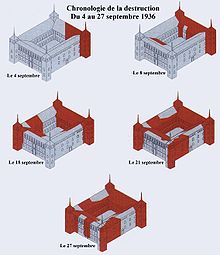
Destruction of the Alcázar over September

September 9

The battle of the Alcázar in Toledo has been running since July 21, with 1,000 Nationalists  trapped inside (and two-thirds of them too young/old/female to fight), while the Republicans are unable to breach the castle walls. Republican Major Vicente Rojo Lluch, one of the most prodigious military left-wing men in the war, walks blindfolded with a white flag to the Alcázar to negotiate surrender with Nationalist garrison leader, José Moscardó Ituarte, 1st Count of the Alcázar of Toledo. The Alcázar is now badly damaged but not yet fully breached, with two of its corner towers still standing. Moscardó has already sacrificed his teenage son to the Republicans in July (who held him hostage and let him call his father while being threatened with death. His father told him to die like a patriot and the son was killed one month later) and refuses to surrender the Alcázar to the Republicans. However, Major Rojo does allow for a priest (hard to find since Toledo’s have already been murdered or have fled) to go into the Alcázar and baptise two babies born inside during the siege.

The destruction of one of Spain’s most amazing sights

September 11

A priest with left-wing views (and thus, not yet murdered) arrives from Madrid. Vázquez Camarassa goes inside to do the baptisms and give absolution to those in the Alcázar. That night, Major Rojo and Colonel Moscardó meet again, to negotiate the release of the 500 women and children. The women refuse to leave, opting to take up arms and die rather than surrender to the Republicans. Overnight, grenades are thrown at the Alcázar, cutting off all communication with Colonel Moscardó, which would make a surrender negotiation with the Chilean ambassador the next morning impossible.

Nationalist women and children participate in the siege

~~

This is not a detailed analysis, just a highlight (lowlight?) of the week’s events. Feel free to suggest an addition/clarification/correction below. All photos are linked to source for credit

This Week In Spanish Civil War History – Week 3: 1 -7 August 1936

Week 3: 1 – 7 August 1936

August 1

France changes its mind and doesn’t want to support the Republicans, after being pressured by Britain, who don’t want to intervene in a war. The two governments, along with Italy, Portugal, Germany, and Russia, forge a Non-Intervention Committee and sign an agreement of non-intervention in the civil war. This will become a major error and huge turning point.

Spanish King Alfonso XIII, who has been in exile for five years, begs Mussolini for help and they send more planes and trained pilots to the Nationalist rebels, paid for by a Spanish billionaire known for illegal and dodgy deals. But two planes crash on their way to Morocco to collect troops, making the news, showing Italy has already broken their non-intervention plan. Still, other major countries sit on their hands and refuse to assist.

sa01-09-001The Non-Intervention agreement

August 2

Troops head out of Seville, having secured the city and made it their southern base, marching towards Madrid, over 550 kilometres away. The leaders plan to attack major areas like Badajoz, Toledo and Talavera along the way.

August 3

The shipment of refugee children is already underway, with children being sent to other European countries such and Belgium, France and Britain for their safety.

Nr:185498 9SP-1936-0-0-A1-35 Spanischer B¸rgerkrieg 1936-39. - Ankunft von Fl¸chtlingskindern aus Spanien auf dem Bahnhof von Gent (Belgien).- Foto, 1936. Photo: AKG Berlin Teutonenstr. 22 / D-14129 Berlin Tel. 030-803 40 54 / Fax 030-803 35 99 Bankverbindung Dresdner Bank Berlin BLZ 100 800 00 Konto 462732500 USt.Id DE 136 62841
Children leave for Belgium

August 4

As the war as broken down much authority, the collectivisation of Spain is strengthening, particularly in Catalonia and Aragon. Workers are grouping together and gaining control of land and businesses, mostly under the guidance of the CNT and FAI anarchist organisations. Worker control is being established, training and education is being given, state and church control is being eliminated, all while looking to defeat the rebels.

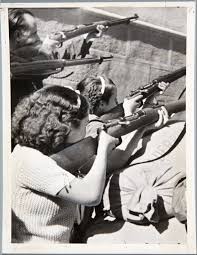
300px-Milicianas_em_1936_por_Gerda_TaroWomen start training in the militia outside Barcelona

August 6

North of Madrid in the Sierra de Guadarrama, Josep Sunyol i Garriga, the deputy of the Catalonian Republican left party and also the president of the Barcelona Football Club, is murdered by Nationalist troops. Sunyol is a politician, leader and journalist, having founded a left-wing newspaper in the 1920’s. He was captured during fighting and shot, and then dumped in a shallow unmarked grave (and wouldn’t be found for 60 years. This system of taking left-wing sympathisers, from battles or just their homes, murdering them without a word and dumping them in the wilderness is the start of what will result in 100,000 – 200,000 Spaniards ‘disappearing’, many still not found today).

indexJosep Sunyol

Francisco Franco makes his move, and leaves Morocco and flies to Seville, to be on the ground as his troops continue their bloody march towards Madrid, the start of severe killing through Spain’s south and west.

~~

This is not a detailed analysis, just a highlight (lowlight?) of the week’s events. Feel free to suggest an addition/clarification/correction below. All photos are linked to source for credit.

A LITTLE JAUNT TO SPAIN – REVIEW PART 8: I Don’t Trust Anyone in Spain… or their Sangria

Blogging has been tough lately. I read about Spain and the posts are mostly about food experiences, or “oh, Spain is so pretty and shiny”, or “Spain is going down faster than a $2 hooker”. What does someone like me, who stands in the middle, post about without sounding like a whiner? It’s impossible.
bulls1

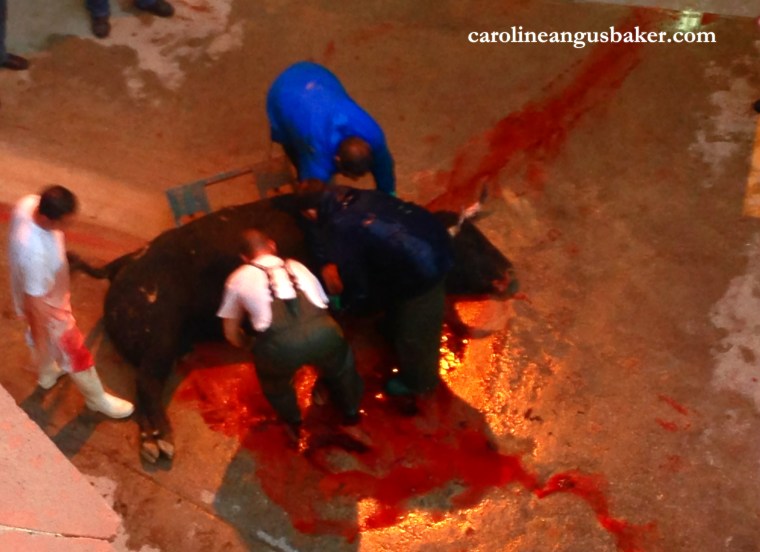
A not-so typical holiday snap

I’ve made mistakes in the past, and I’m the first to admit that. Fortunately, Spain is a place that allows people to make mistakes and move on. I once had the opportunity to spend a few years living in Spain, and get to experience being an expat in a country where few of my countrymen and women go to live life abroad. So, when I found myself with the opportunity to have the chance to go back to Spain purely as a tourist, I thought that would be a piece of cake. Turns out I was very wrong.

I first went to Spain in 2005, and landed in Valencia on a hot summer day. After the tidiness of the airport in Auckland, the ruthless chaos of San Francisco, the soulless efficiency of Munich, (the then) basic and dilapidated airport was a real sight. I joked to my husband that it was the kind of the place you expected to see live chickens in cages moving along on the luggage carousel. Imagine the laughter when we heard the call of a rooster only moments later – it turned out to be the ringtone on the phone of our friend who had come to pick us up. With suitcases, prams, portable cots and many other baby items, myself, hubby, and our one-year-old and newborn sons got to see Spain for the first time. Lucky I was 24 and had the exuberance of youth on my side; because after Spanair broke my $1000 double pram, my mood wasn’t terrific. I met another friend at the hotel, who said I could get straight into flamenco classes. Bless him, he had only been in Spain a few months himself, and still full of the joys of expat life in Spain. Of course, Spain wasn’t full of flamenco and sangria – it was real life instead.

63

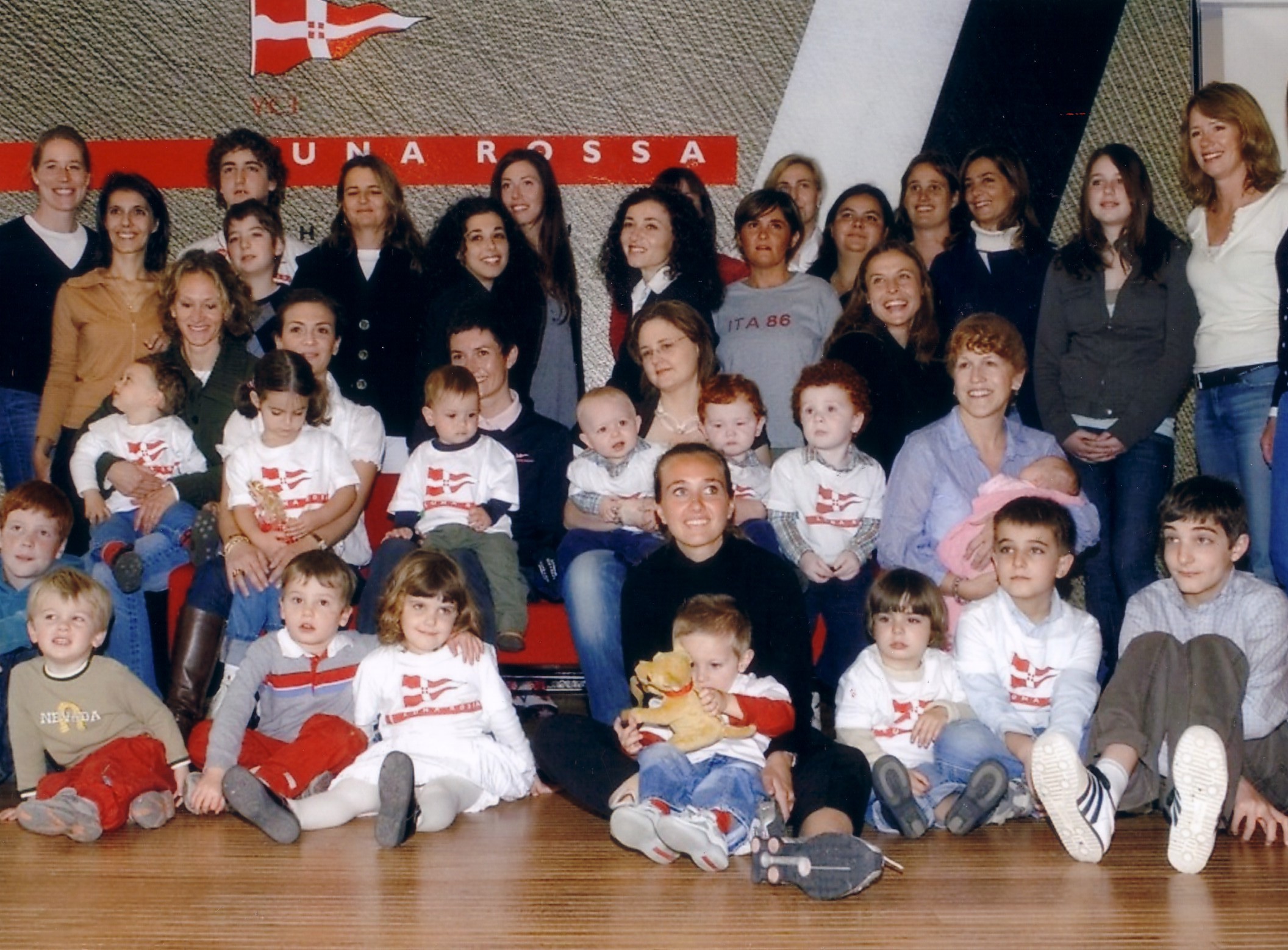
How many friends can fit in one photo for a magazine shoot? Which magazine? Gente in Italy, I think. Don’t quote me

After my complicated permit to live in Spain was revoked in late 2007, I had only just got the hang of Spanish life. There is a beauty of living abroad; you get the reality of living there, combined with only having to take on the customs you choose. You can understand the place, but not be weighed down with a lifetime of expectations or stereotypes. Expats can really live it up; life is filled to the brim with experiences, trips are taken, foods are tasted, wines flow freely, friends are made, and rose-tinted glasses can get you a long way. You also have reality to pull your head from the expat clouds – your health insurance is a constant drama, your language skills always need work, if your gas stops working you know you will wait two weeks for the repair guy to show up, and visiting the bank is an exercise in endurance. Don’t get me started on the hassle of registering a birth of a baby that has foreign parents, and was born in the Alacant region, not the Valencia region, so you need to blah, blah, blah.
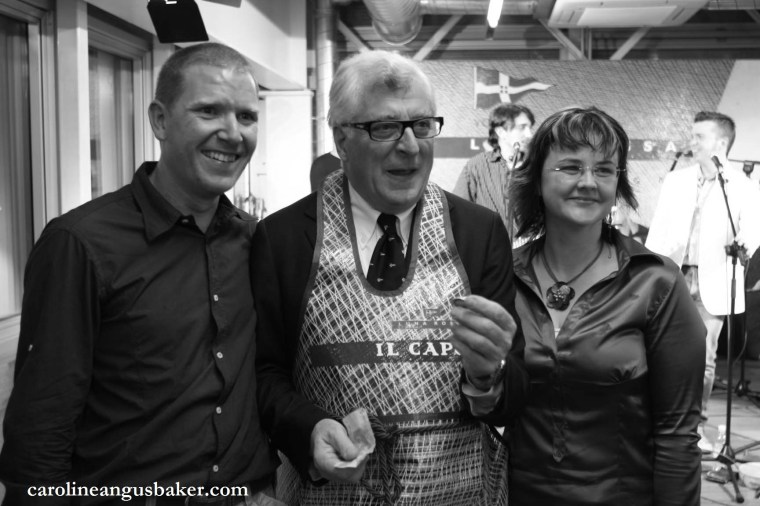
xmas2006a

Expat odd moment – because everyone has given money to a billionaire while he wears your homemade apron, that happens all the time

What I learned is that I couldn’t trust anyone in Spain, because as with living there or being a tourist, no two people experienced the country in the same way. One week after I arrived in Valencia, I shared a lift ride with an American woman. Turned out we were going to visit the same friend. Her husband and my husband had come to Spain for the same jobs, and she had been in Spain for several months. She asked me how long I had been in Valencia, and I said one week. Her reply – “give it two weeks before you decide you hate Spain. Everyone hates it, but give it at least two weeks”. (SERIOUSLY – to this day, we still laugh about that). How does that advice help me learn about Spain? It doesn’t. I suspect the reason her husband was a cheat was because he got sick of her complaining. I lived in a community that left me surrounded by expats from many different nations, due to the reason I went to Spain (it was the America’s Cup, that may mean something, it may not. Your call). I had the best of everything in Spain and felt no need to apologise for that. I loved my life there. However, the bubble I existed in was not Spain, it was a lie. It got to the point where many people had no idea about the place, hated so many things and formed a comfort zone around themselves, until we could leave again (note – that’s a generalisation, some people are amazing friends with open minds and hearts). One guy took years to go into Valencia’s old town and then went to the Mercado Central, and had to panic call a friend to rescue him. The notion of Spaniards, speaking Spanish and buying fresh food freaked him out because it wasn’t like home. True story.

n824058539_740802_3060

I’ll pass, thanks

About a year into my adventure, two friends were talking. One said “should we go to  (insert generic closed down bar here)”, and the other said, “no way, it’s always full of whining Aussies and Kiwis.” Ouch. I felt relieved to have never gone there. It burst the expat bubble with spectacular success. When I left Spain, I thought I had built up a realistic opinion of the country. To understand the nation and the culture, I studied the history. I grew to understand the politics and the origins of customs (alas, the freedom of time!). I left Spain with double the number of children I started with, and that in itself opens the eyes. An expert on the place? Hell no, it takes far longer to fully understand Spain. It was never my intention to stay away from Spain, but more important things came my way.

Fast forward six years, far more study, novels written and passionate debates abound, I decided to go to Spain for a few weeks just to help me out with writing, to see friends and soak up the ambiance, which I knew had changed remarkably in my absence. So, would it be easier to be a tourist, after knowing so much about the country? This time, would it be all sangria and sunburn? Nope. I fear knowing Spain well only made it harder.
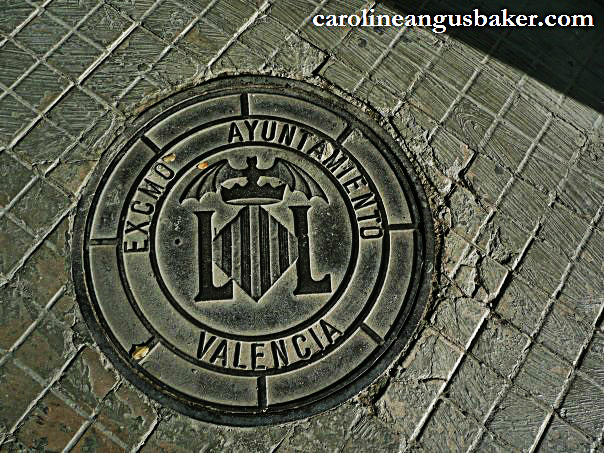
vlc

Valencian manhole cover – as you do

This is why I can’t trust anyone in Spain, because no two people see Spain in quite the same way. If you’re from the UK or Europe, a trip to Spain sounds like nothing much. Everyone does it, all the time. Most go to the same few places, like the Brit and German invasion of the beaches (I hate the beach). I couldn’t read guide books before my trip because a) they suck, and b) I wouldn’t learn anything. After booking my trip, my enthusiasm plummeted. Had I shot my own holiday in the foot faster than King Juan Carlos can take aim at an elephant or family member? But, as I did when I lived in Spain, I decided to grab the opportunity and shake it until its balls hurt. No time-wasting for me!

Talk about mixed feelings. One morning was spent on a tour to El Escorial (yes, a organised tour group – don’t hate me, I’ve done enough self-loathing for us both) and those on the trip seemed to have a good time. They felt like they were educated and saw all the sights. I felt rushed and given info I already knew.

Toledo – you will have to hold a gun to my head to make me visit again. I imagined the battle for the Alcazar during the civil war, but all you will find there are tour groups led around by disinterested chain-smoking guides who don’t take you to the best sights. But who decided which are the best sights? That’s the trouble, the Spain I know and want to see and that of others are totally different. I remembered that piece of my own advice and carried on alone.

toledo

All I could hear was the sound the customs officer would make as he had a heart attack upon my return home

Avíla and Segovia – two places I don’t know well. I met up with a gay couple and a lovely English woman, all on a getaway from work and we had a good day out. Was it Spain, or the people I met? The people and the upbeat attitude.

Barcelona – I felt conflicted the entire time. I went out one evening and had laughs with friends and had a good time. Was trying cheese the highlight? No, it was getting an evil glare of a balaclava covered riot policeman outside the town hall building during a protest. Some people don’t put that in their holiday scrapbook, but I thought it was awesome (until the batons appeared). I was relating to the angry mob who are upset at the state of Catalonia. I got to tour civil war Barcelona and feel like I had received a meaningful connection to a city, but got plunged straight back into Americans complaining outside Starbucks  that the coffee doesn’t taste like it does at home. (Tip – YOU’RE NOT AT HOME) But then, many don’t give a toss about the history of Barcelona, so who is right and who is wrong? No one.

toledo2

Romantic postcard image meets reality of living here

Madrid – I wanted to see a bit of civil war-ness and the weather thwarted me. There is still the park, the art museums and the hell that is Gran Via to see, but I didn’t want any of them, though I wandered briefly for specific paintings. I popped into the Dalí exhibit at the Reina Sofia and got crushed by tourists, but then went to their civil war exhibit and had the place to myself (happy dance time). Many other people did enjoy the Prado et al, though. But, the city redeemed itself, in the people I met there. You gain more Spain-ness in a ten minute chat at a bullfight with a guy named Emilio than you can standing in the Prado (Disclaimer, I have ‘done’ the Prado in the past, so whip me with the tourist cane again). I see the Prado paintings and think of them being smuggled to safety during the war and how half a million refugees in France were left to freeze and die while paintings were covered and warm. Does anyone else care? Maybe, maybe not.

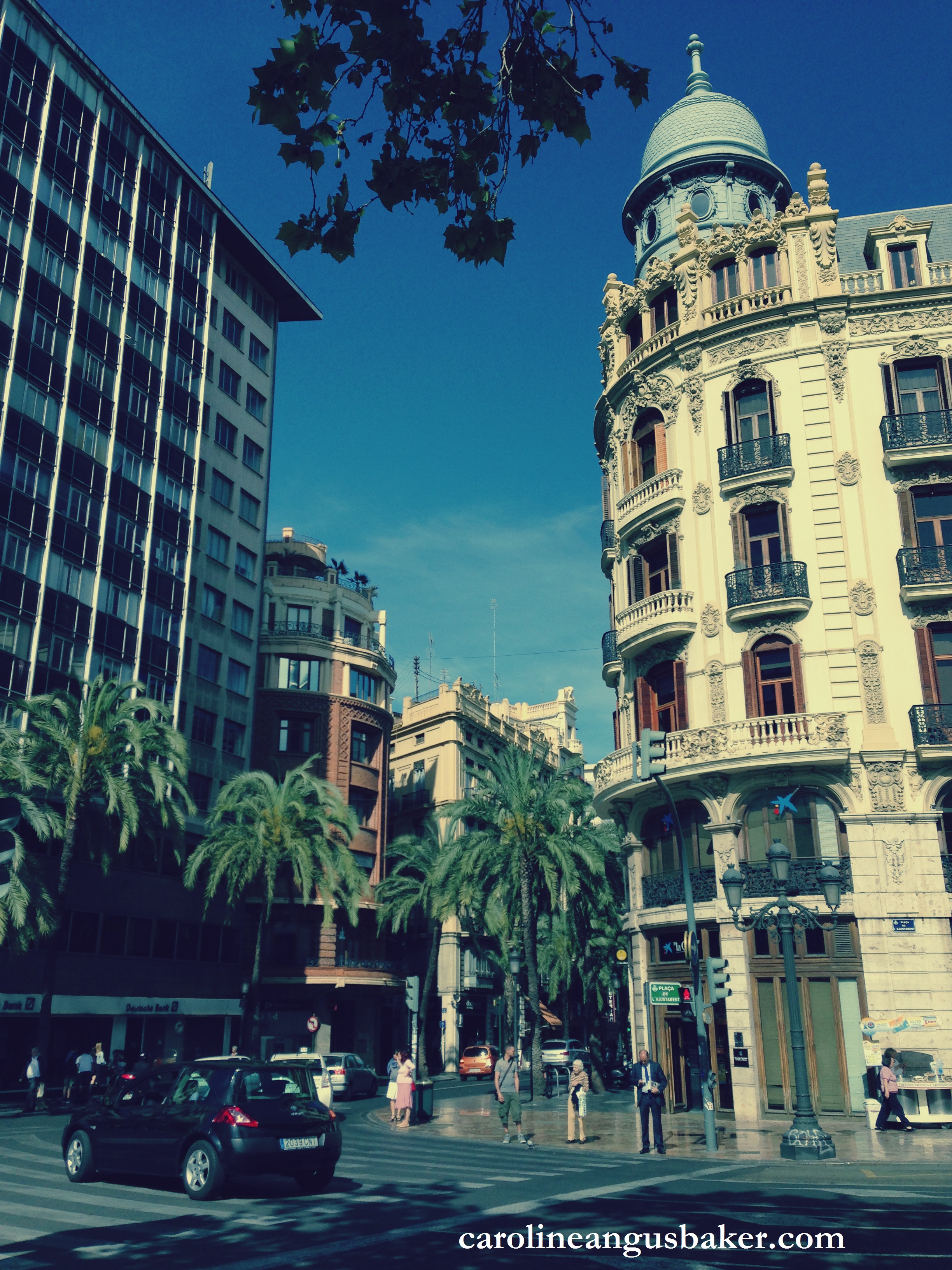
Valencia – finally a place where I could breathe! Familiarity with the world’s greatest little city makes a holiday. But do you gain anything out of sangria in a cheap restaurant with English-speaking waiters? So people might, but I didn’t. People flock to the Arts and Sciences, and it’s great, but I feel like I’ve only seen the city when I see a couple kissing in the park (wow, that sounds pervy). Showing a Valencia tourist around the city makes me want to cut my eyes out, but standing at the baseball field watching a portable cricket pitch being set up feels like a good way to spend an afternoon. If I recommend that as a sight to see, people would think me mad.

cuenca

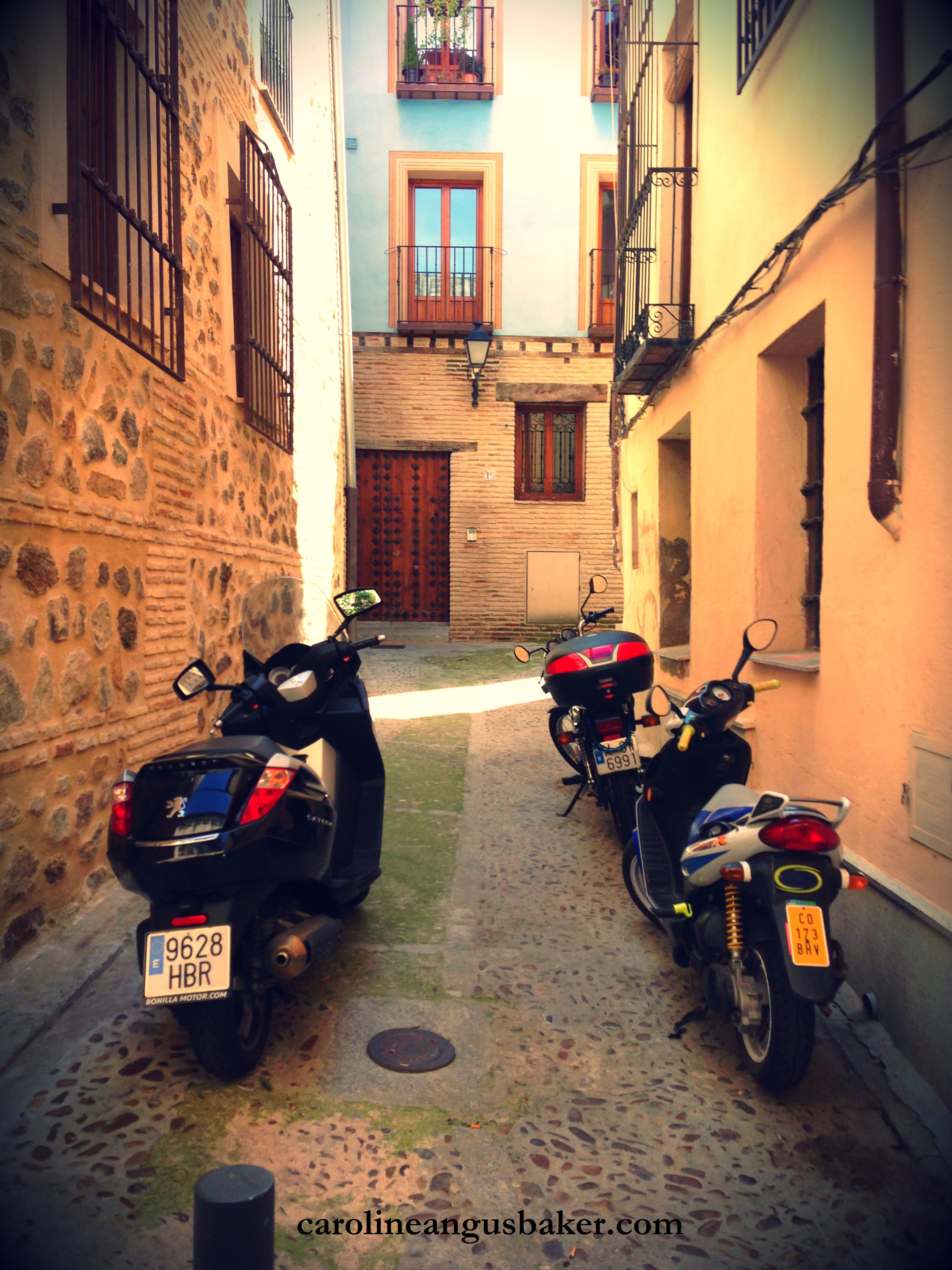
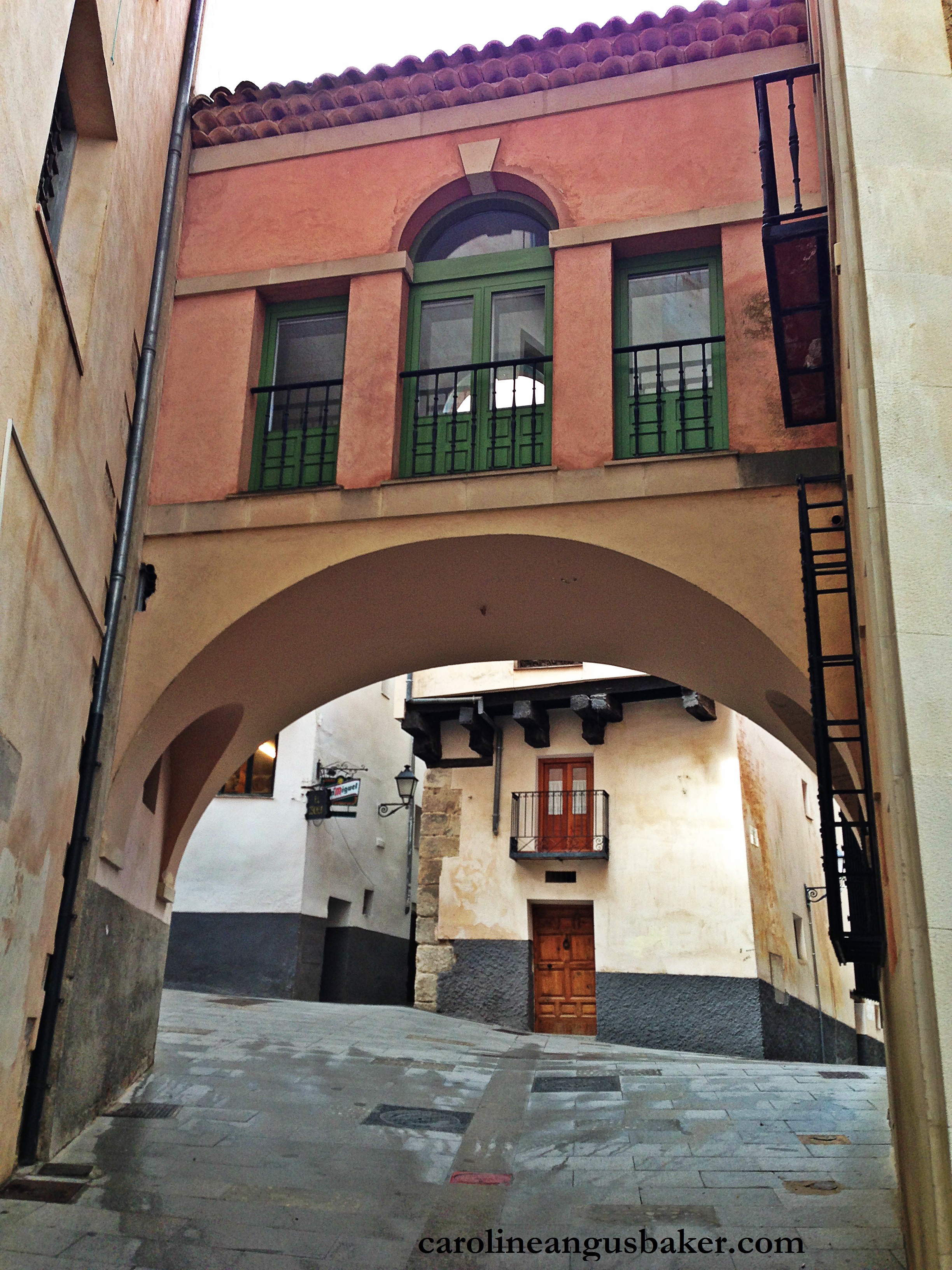
Easy little streets to navigate. And by easy, I mean you will never get anything delivered – ever

Cuenca and Teruel – I didn’t give either of these places enough credit. I just didn’t want to visit (is that awful?) I might try Teruel again (with the right people) while meandering out in Awesome Aragon, but Cuenca? No way.

See what I’m saying? You can’t trust anyone in Spain. No two people can see it the same. I went there with no expectation, and found it hard to dig through the shiny veneer of tourism to find what I felt would make a successful holiday. Every time I sipped a sangria, I felt like I had let myself down (because I don’t like it much, a bit meh. Don’t worry, I tried plenty of other drinks too. No glass went undiscovered).

beers

See? I visited the craft beers, like any good tourist

I Spain I loved –

Buying hairspray at the Mercadona where I used to go food shopping

Sipping wine in Cuenca

Imagining fascist troops in Teruel

Standing the summit sign at L’Oronet

Getting evil looks for talking about Franco in Madrid

Laughing with a maid because we couldn’t get a door open

Taking the No. 19 bus in Valencia

Paying for an umbrella in a Madrid junk shop

The young guy named Carlos at the Cuenca tourist office. He got to try his English, I got five minutes company in an otherwise dull excursion

The Spain I hated –

People who ignore the ‘no photos’ rule! It’s not there to ruin your holiday, they have a reason!

How much Valencia has changed (total foreigner nostalgia moan right here!)

Barcelona – I failed to have anything in common with the place (and I tried!) Though, El Raval was nice

Driving anywhere (and I was only the passenger! Should have gone by train)

Walking around Madrid (the place seems so down on itself these days) Wander Lavapies to wipe out this feeling

Cigarette smoke

Not finding the right mix of alone time and time with friends (yes, my own fault)

The fact my old Valencian neighbourhood is not only devoid of my family and friends, but devoid of all life and soul (thought I was on the scene of a zombie movie!)

English menus (who orders the ironed sepia?)

Complaints from others about Spain (yep, I’m complaining about complaining)

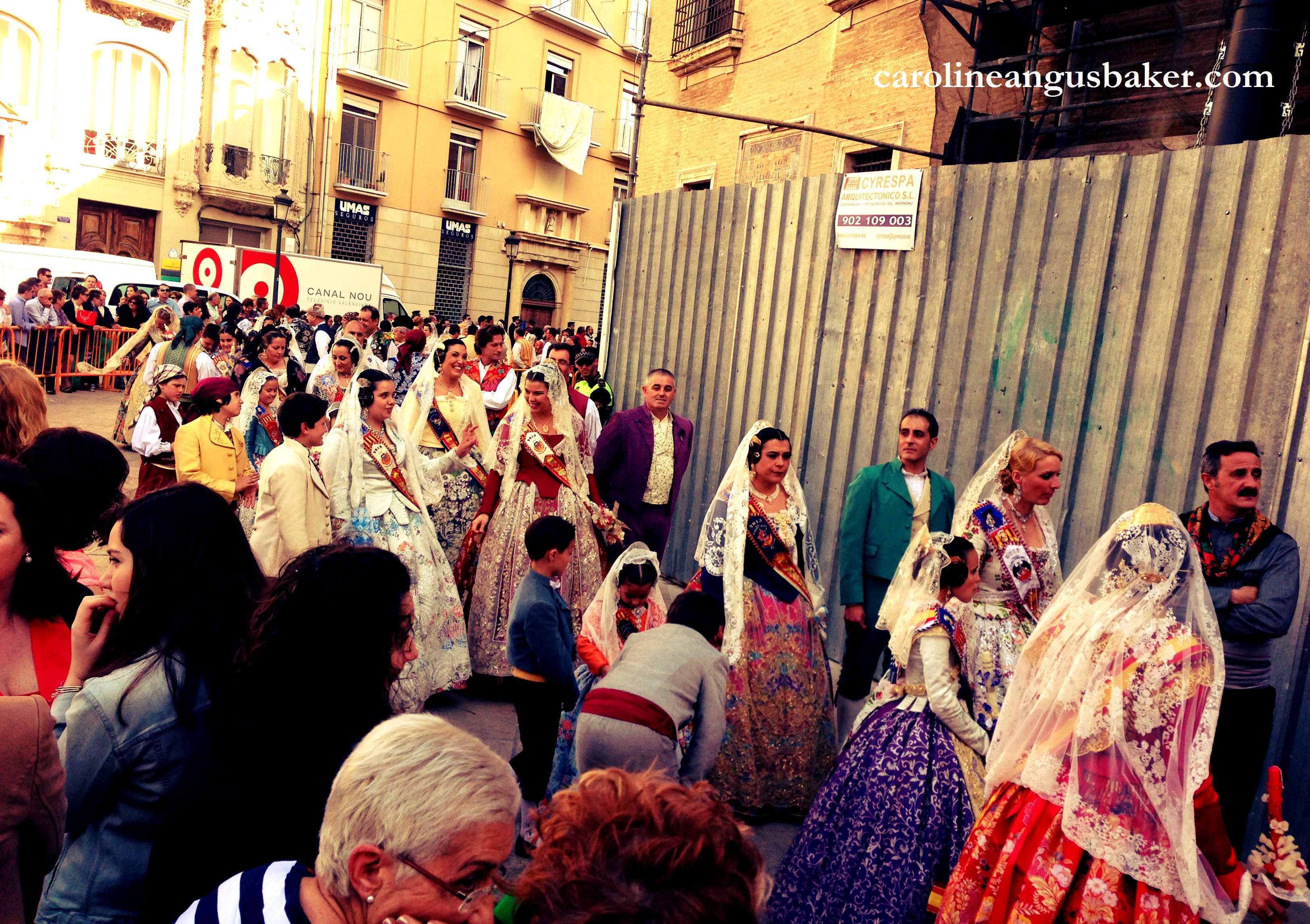
fallera

Oh, it’s that time yet again

I can’t trust anyone in Spain, because they won’t see the place like I do. By that theory, no one can trust my opinion either! You will just have to go and experience it for yourself! Will I go again? Hell yeah, I have no doubt about that. The beauty is, I have the power improve my Spain experience every time I visit, because the country gives so much choice. However you enjoy Spain, all power to you. Pick your holiday companions carefully, because if they see it totally different, you could find frustration under every tapa. A civil war researcher and heavy on the political and economic conversationalist like me can’t enjoy Spain with tea-sipping, bullfight and flamenco inquisitor with the dream of Spanish romance in the orange groves.  Lucky Spain is big enough for all of us!

vlc2

When the everyday places are this beautiful, who cares who is right and wrong?

Up next… back to serious posts… Teruel and the back roads of Valencia and Aragon

Click here to see previous posts in the series – Spain 2013 in Review

A LITTLE JAUNT TO SPAIN – REVIEW PART 1: High and Lows of Spain

IMG_2400

Hello! I’m back from my two weeks in Spain. If you were following my public twitter account, you probably got an idea of what I’ve been up to these last sixteen days. It was my first time in Spain as a tourist, I have only ever been to Spain while living there in the past. I have plenty to share, including-

The top ten things I rediscovered about Valencia

The civil war history of Barcelona with Nick Lloyd

On the road with Blood in the Valencian Soil

Tapas and History Tour with James Blick

Bullfighting – Valencia vs. Madrid

Valle de los Caídos: Spain’s most terrifying location

Learning to be a tourist in Spain

Teruel: Spain’s hidden interior

Ávila, Segovia, Cuenca and Toledo: Small towns, big charms

But first, here is a quick round-up of Spain for me in 2013 (in no particular order) –

Highlight of the trip was walking through Valencia’s Turia. I did this every day, but the night before I left, I wandered the park from the Arts and Sciences complex to the Torre de Serranos and it was magical in the late afternoon sunshine. Every city needs a space like the Turia.

book park

BITVS goes to the Turia

Worst moment of the trip was getting caught in the tour group bustle of Toledo. The place was filled with mindless drones, all walking along, looking at the same few things, one after another. They don’t even go to the Alcazar. Sure, it’s rebuilt, but anyone with half an interest in Spain will know of the bloody war battle that occurred there. It’s a must-see spot.

Biggest surprise in Spain was the level of English spoken. Okay, I’ve been gone nearly six years, but the way people speak has really changed. I also discovered that my Spanish isn’t as bad as I thought.

Xativa

English pamphlet in Xativa

Most exceeding of expectations was definitely Madrid. I put this down to the people, despite their reserved nature. I have been to Madrid before, but I saw the city in a new light. I will elaborate in Madrid’s dedicated blog post. Madrid gave me a new sense of confidence, and was the only city to keep me partying to dawn.

IMG_3527

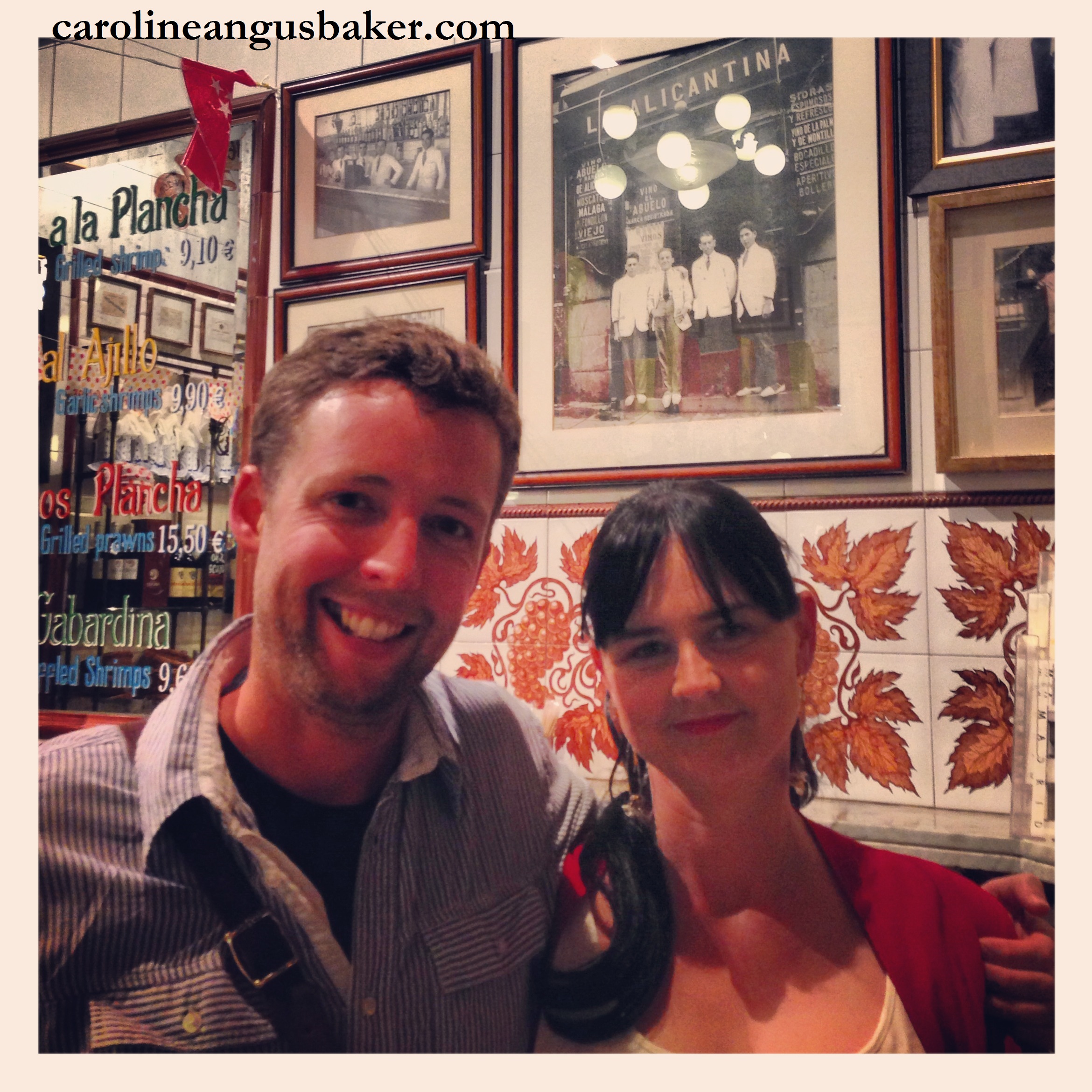
Me and James in Madrid

Lowest point in the trip was when I arrived in Cuenca. The views looked exactly like the photos and that should have been great; but it wasn’t. I got there and had a sense of being trapped far from the whole world. The town got better as I wandered the place, and the bolt-hole bar we spent the evening in made everything okay again.

Cuenca1

Cuenca’s gorge bridge where you can leave a message of undying love – so I did

Unexpected fun came when I met two men on the trip to Segovia. They were celebrating their engagement by visiting Spain. Combined with a lovely English woman, the trip held more excitement that we expected. The wild asparagus at lunch was divine.

IMG_1955

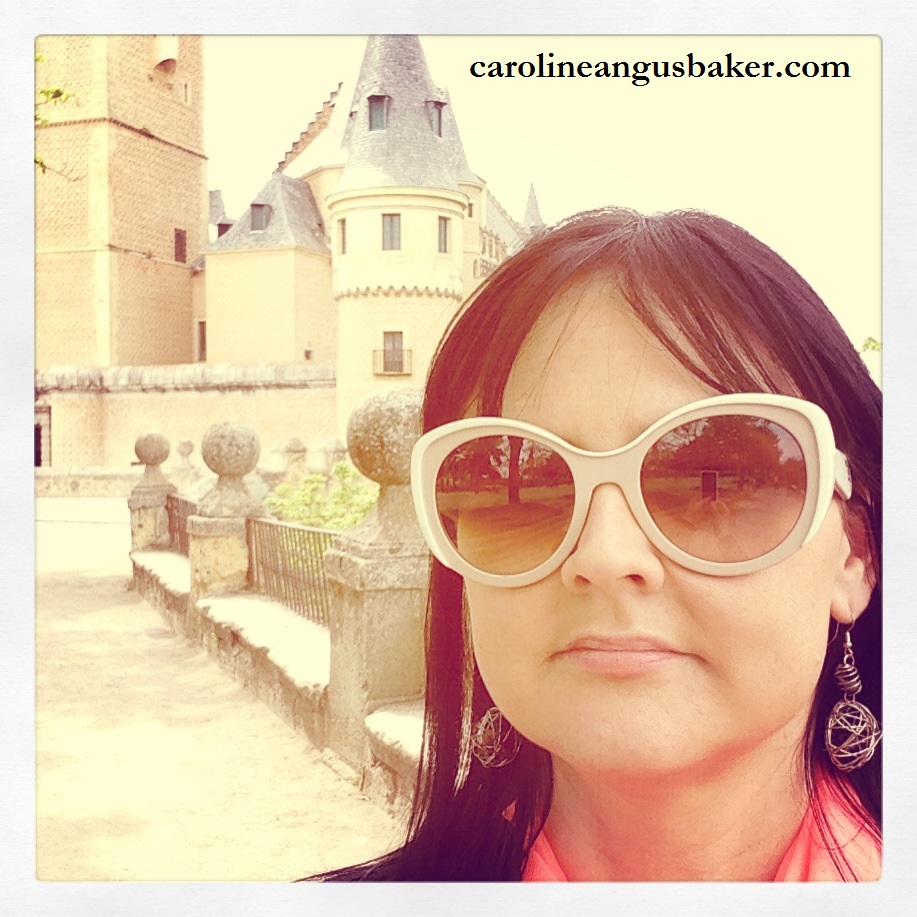
Segovia’s Sleeping Beauty castle

The least surprising thing was the noise level in Valencia. I got more peace on Barcelona’s La Rambla than I did in any location in Valencia. They may have changed the laws on late night noise, but somehow that makes no difference. That doesn’t even count the fiesta going on; regular life is at full volume.

Mixed feelings award went to all the protests going on. I have literally lost count on the number of protests I walked into in Barcelona, Valencia and Madrid. While I admire the Spanish people and their willingness to stand up for their rights, it’s heartbreaking to see what the country is going through.

protesting in Valencia

Protesting outside banks in Valencia

Saddest moment came when I was taking the bus in Valencia. I saw something out the window and thought, ‘I must remember to tell Dad about that’. My father died horrifically last July. I cried alone on a public bus. Not a great moment.

Happiest moment was again in Valencia, when I first arrived in the city. I hadn’t enjoyed the train trip too much and was feeling a bit low. But after finding the rented apartment, I set off in search of the new Mercadona and it occurred to me how well I know the city and instantly welcome I felt. My six-year absence may as well have not existed. I could have partied all night long had I not collapsed of exhaustion at 1am.

Horchata

Iconic horchata in Central Valencia

Most shocking moment is without doubt visiting Valle de los Caídos (Valley of the Fallen) outside Madrid. It is dictator Francisco Franco’s scary tomb, built by slaves and has the largest Christian cross in the world on top (150 metres). No photo can show the expanse or the horror of this place. Not only is a fascist dictator honoured here, but built into the place is 30,000 unnamed Republicans who were murdered, then dug back up and stuffed into the basilica like padding, without consent of their families. There, a man akin to Hitler or Mussolini, is honoured with flowers, fascist salutes and singing children. I’ll do a separate post, but if there was a God, he wouldn’t go near that place.

grave

WTF!?!

Spontaneous enjoyment award goes to driving back to Valencia from Teruel. We jumped off the main road and took the CV310 through the Sierra Calderona. This, of course, is the main spot in the Blood in the Valencian Soil. We climbed a dirt road to listen to the silence of ‘Escondrijo’, Luna Montgomery’s country home, meandered through the hillside towns featured in the book, and stopped for coffee at the Blanquet, the cafe in Náquera, which is central for many readers of In The Hands of Love. It was a full and rewarding day.

Escondrijo

‘Escondrijo’ in the Valencian mountains!

I was unprepared for the cold in Madrid. When I first arrived there, it was warm and cheerful. But the final two days spent in the great city were freezing. It made an Auckland winter look like a tropical paradise. I have only ever visited Madrid in summer (the three months of hell), but its ‘nine months of winter’ really crept back to give me a taste of its power. However, it stopped none of the fun. I stopped at Desigual and bought this coat which a dozen people have already complimented me on.

A really disappointing point came when I visited Montjuïc castle in Barcelona. It is a central point in Spain’s history, both during the civil war and the brutality that proceeded under Franco (plus if you have read Carlos Ruiz Zafon’s The Angel’s Game, it’s a must-see). Many famous names were imprisoned, tortured and murdered within those walls. I walked into this location, and people were sipping coke and having lunch on the same cobbles where violated souls perished. Okay, you could probably say this about lots of places in Europe, but it really struck a cord with me. I took the bus back to the city feeling disappointed.

img_2082

Outside Montjuïc castle

Unexpected neutrality hit during bullfighting. I am not a bullfight hater. I have respect for toreros. Hell, I write about them. I have never endorsed or enjoyed the murder aspect, but when I went to a fight in Valencia, I felt underwhelmed. I’m glad I went, but sitting high above it, you are disconnected with its reality. When sitting against the barrier at Las Ventas in Madrid, it was a whole other story. Let’s say I got everything I ever needed to know about bullfighting. The constant swirl of cigar smoke did not help the ambiance. I can say with confidence that while I will continue to write about toreros, but I have no need to visit again.

IMG_3616

Las Ventas in Madrid

The most weirded out moment came when I visited Valencia’s port area. The darsena, built to house the 2007 America’s Cup, now lies empty. It looks exactly the same, down to the buildings still branded with sailing teams’ names. The old Prada building, once the jewel of the area, has its sail-fabric walls breaking down at record speed. The walls were made of sails built for the 2003 America’s Cup, and were popular and prized. Now, they are peeling away and left to decay. The whole area looks like a time capsule of my former Spanish life, lying discarded like a stripped corpse. Auckland held the Cup before Valencia, and now we have the Viaduct area filled with parks, playgrounds, cafes, bars and hotels. Valencia could have used their space likewise, but haven’t. No wonder the expensive event was so unpopular with the locals.

What I learned was that I don’t like to travel alone. I don’t mind it, but fun hit more often when other people were around. I spent many days with my friend Sabine Kern on the trip, and with the involvement of people like Graham Hunt in Valencia, Nick Lloyd in Barcelona and James Blick in Madrid, the trip was greatly enhanced.

IMG_2144

Drinking from the porrón in Barcelona. Check out how good I am!

I underestimated how many people read what I have written about Spain. I constantly ran into people who had read my work and wanted to talk about Spain. People held what I had to say in high regard. I consider myself to be an invisible person; I live my life and no one knows what I write. However, in Spain, people have taken notice.

I felt pleased to know that all the details I have put into my Secrets of Spain series are correct. As I wandered the locations in the last book, and the locales of the next novel, everything is exactly as I expected/wrote/needed. There is no need to rush home and make changes.

It felt disheartening at times when confronted with some Spanish people. It was little things – they don’t hold doors for one another, they push into queues like it’s life or death instead of  a coffee order, and walk around like they are oblivious to one another’s needs or feelings. I can only put this down to big city living. I risk sounding like a real country bumpkin here, but those first few days, as I based myself in Madrid while doing day trips, I got back to my hotel and shook my head in disbelief. I wondered if everyone had frayed nerves at the end of each day. I live in a large congested city, but it feels like luxury island living in comparison to the push and shove of Europe. In fact, I despaired until I hit Valencia and all its good vibes calmed me down.

Sunday

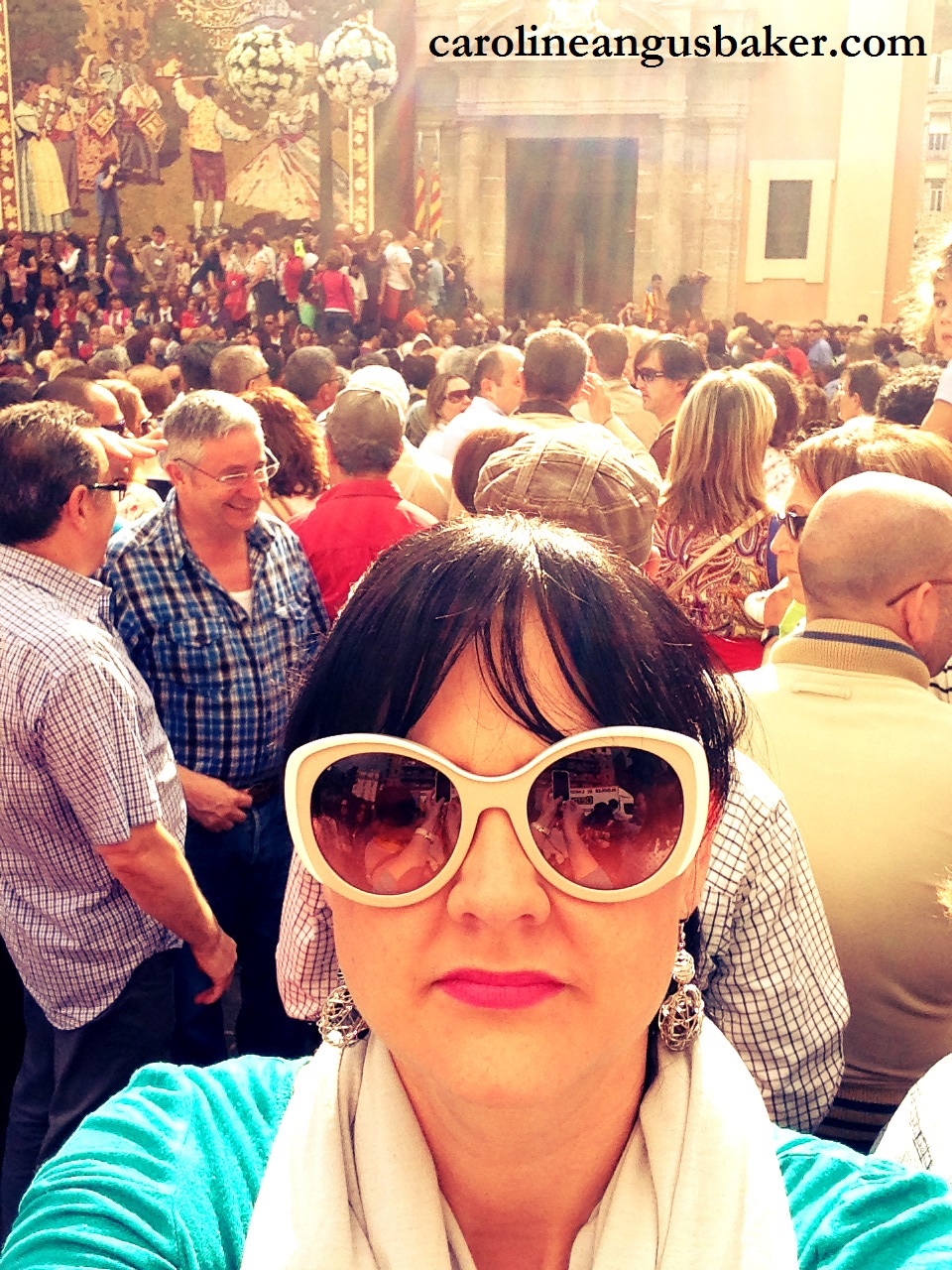
The procession of la Virgen de los Desamparados outside Valencia’s basilica. My face says it all

Number of plane miles travelled: 40,000 kms (yep, I checked that figure) – 50 hours

Number of times I got asked out on a date: 27

Number of nights where I got decent sleep: zero

Number of alcoholic beverages consumed: too many

Number of mornings I had enthusiasm to get up: zero

Number of times I got accosted by someone trying to lure me into a restaurant: 564151* (*not scientifically proven)

Number of new books purchased and stuffed in carry-on luggage: 18

Number of times lost in a city: zero! That includes walking and in the car

Number of Skype calls home: 10 (internet connection didn’t allow for every day)

Number of times I wished I hadn’t done the trip: 4 (2 of them were in-flight)

Number of kisses given/received: approx 100

Number of  shameless selfies taken: 71

Number of times caught singing in public: 9 (including doing a “Locked Out of Heaven” duet with the airport shuttle driver)

BEST MOMENT OF THE TRIP WAS something that made my heart flutter more than it has in some time. I can’t tell you what that was because what happens in Spain, stays in Spain.

breakfast

Gratuitous breakfast photo to finish the post

Next post – The top ten things I rediscovered about Valencia

Click here for the other parts of this series – Spain 2013 in Review