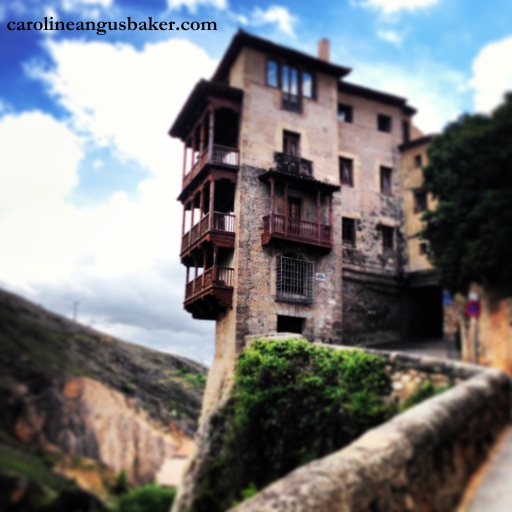
A LITTLE JAUNT TO SPAIN – REVIEW PART 9: Thunderstorms, Jesus and Ghosts in Cuenca

IMG_3670

You will long know by now that Cuenca is one of the central locations on my novel, Blood in the Valencian Soil. What you may not know is that when I wrote the novel, I worked purely on information given to me when researching the real characters that inspired their fictional counterparts in the book. While I know the outlying areas around the town, I never made it to the small hilltop town the entire time I lived in Spain. So, once the book was finished, I decided that while on my trip to gain information for my second Spanish novel, it was time to visit Cuenca in the flesh.

Name a town anywhere in Valencia province and I can almost certainly say I’ve been there. The mountainous region north of Valencia city is one of my favorite places. I have also spread out north-west of the city into the Aragon region many times, but Cuenca was last on the list of places to visit.

Whilst the town of Uclés was the ‘real-life’ town that my 1939 book characters worked in during the war, I moved the story to Cuenca for the later war storyline, and the town did not disappoint. The views of Cuenca are well-known, the cliffs, the hanging houses, the parador, but the place largely gets ignored during the lists of places to visit in Spain. Personally, the (albeit oddly shaped) triangle that runs from Valencia to Barcelona to Madrid is my favourite part of Spain, and it lies mostly untouched by tourism.

Don’t worry, I’m not going to launch into a high-and-mighty speech about the ‘real Spain’. What Cuenca does offer is an opportunity to have a day trip to a town where there are no set rules on what you should experience.

IMG_3237

The trip started well enough, out of Valencia. I was torn by leaving my  favourite city; while I could easily stay in the place forever, heading for Cuenca was 200 kms closer to getting back to Madrid and on a flight home, which I am not ashamed to say I was missing. The A-3, while a quick route inland, does mean you miss little opportunities to explore the Valencia region more, but I was not the driver (I hate driving); instead I settled for a familiar sights along a familiar road (my ill-fated trip to Teruel had the exact same problem).

We headed up the N-320, and Spain’s quiet interior peace settled in. It doesn’t take long to leave the world behind and head through small villages. For me, just seeing little places and knowing their wartime history was a great experience, though I had no one to share any of the information with. To be honest, I did wish I had taken the train, which I had in my original plans, but never mind.
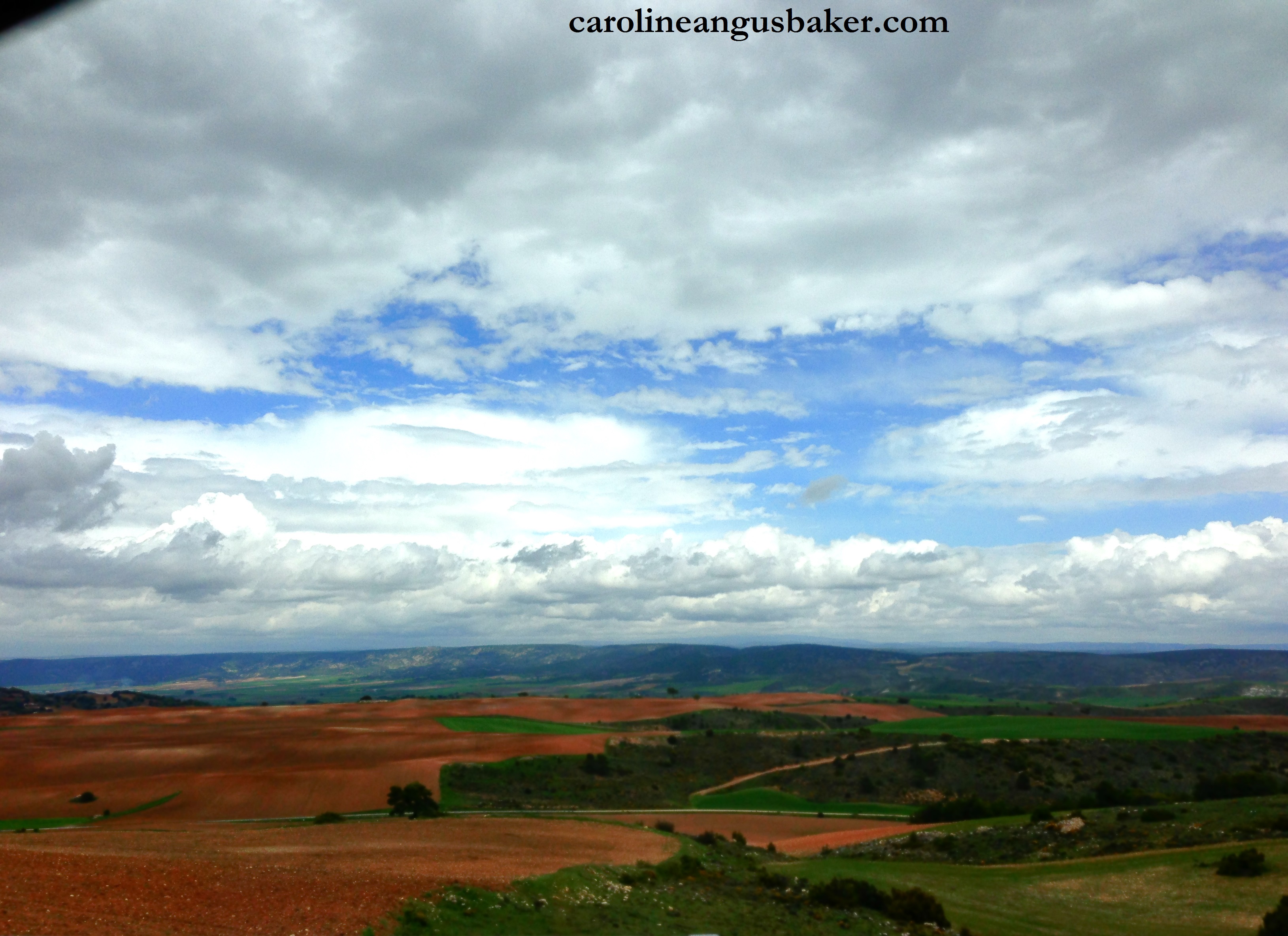
country

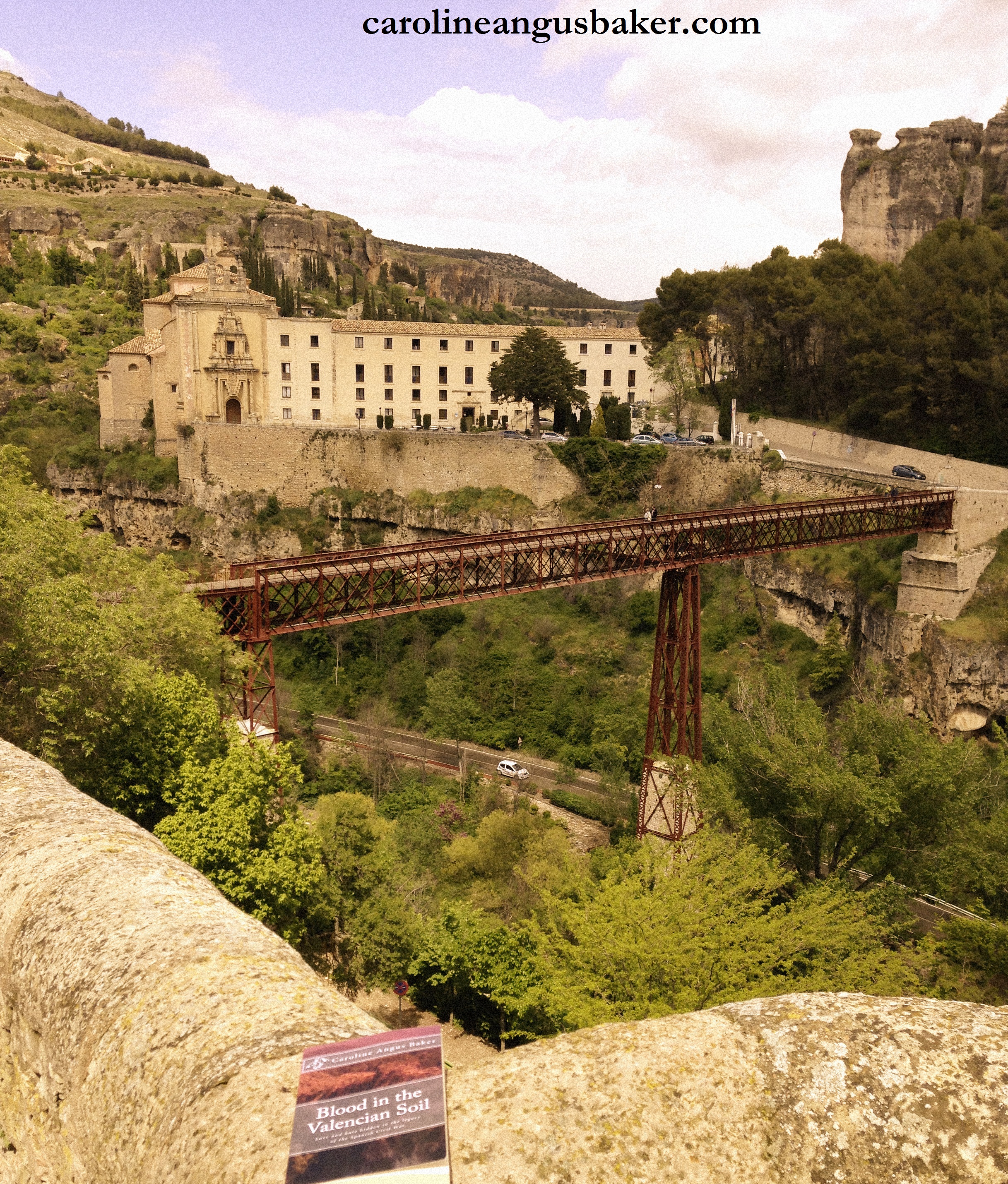
We arrived in Cuenca at about 2pm, and quickly bypassed the new town, filled with your standard Spanish locales, since obviously the locals require these businesses for work and life’s daily needs. My car-ride companion had a desire to get through the area as fast as possible, complaining of its ugliness. We arrived at the parador, the former Convento de San Pablo, one of Cuenca’s most enduring sights. As it is a location in my novel, I was determined to stay there, despite the fact a single night cost me more than three nights in a classy Madrid hotel on the same trip.
luna view 1939 book

View of the parador

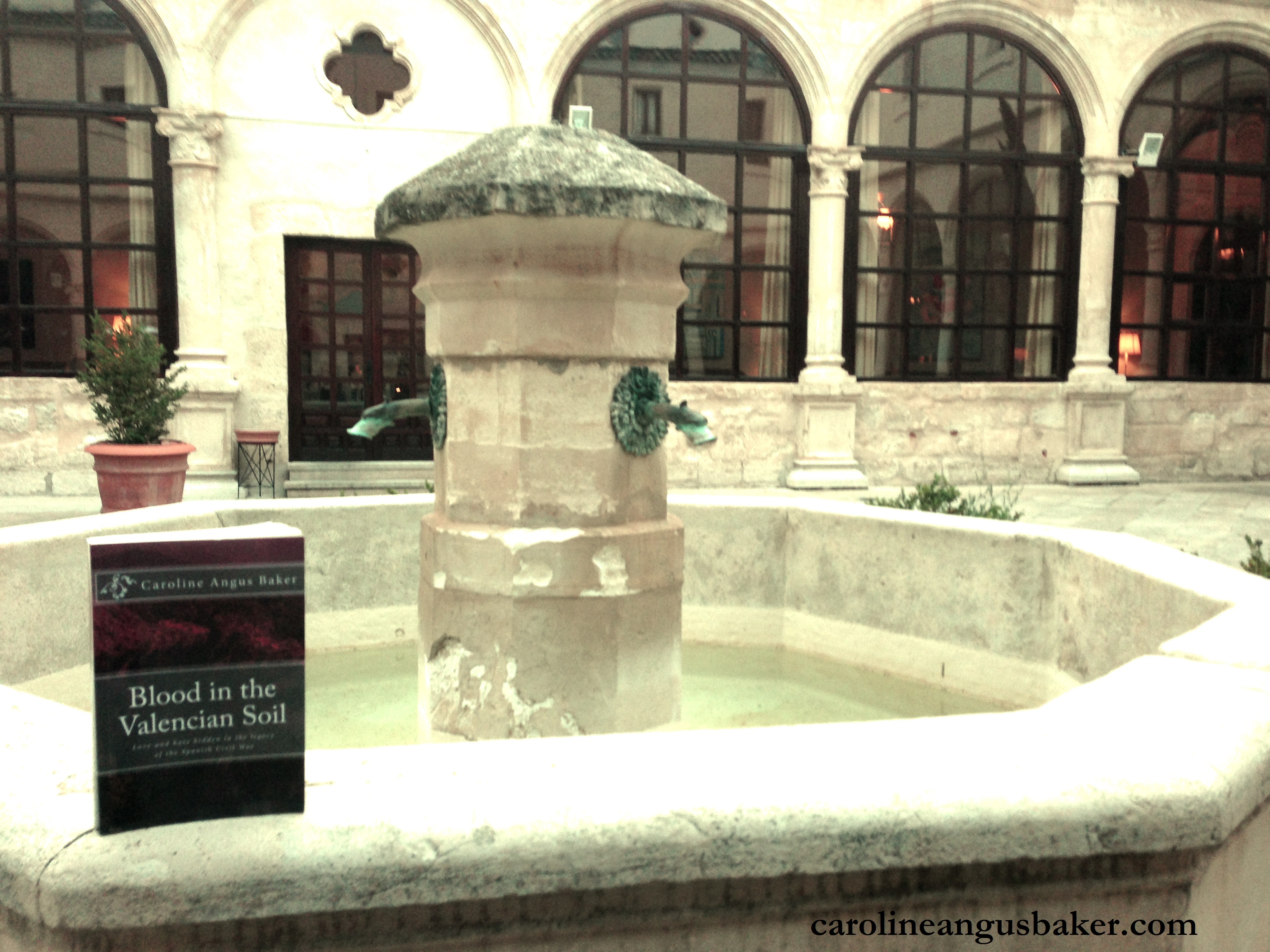
I applaud anyone who has the desire to take care of a historic building and those at the parador have done just that. With a quiet, well maintained yet basic courtyard in the building, and hallways that give you the chance to feel the soul of the place. With a room on the second floor, I felt lazy taking the elevator, despite carrying my bag, and opted for the stairs for the rest of the stay, since the elevator is slow and filled with tourists not quite as agile as me.

IMG_3795

Main hallway

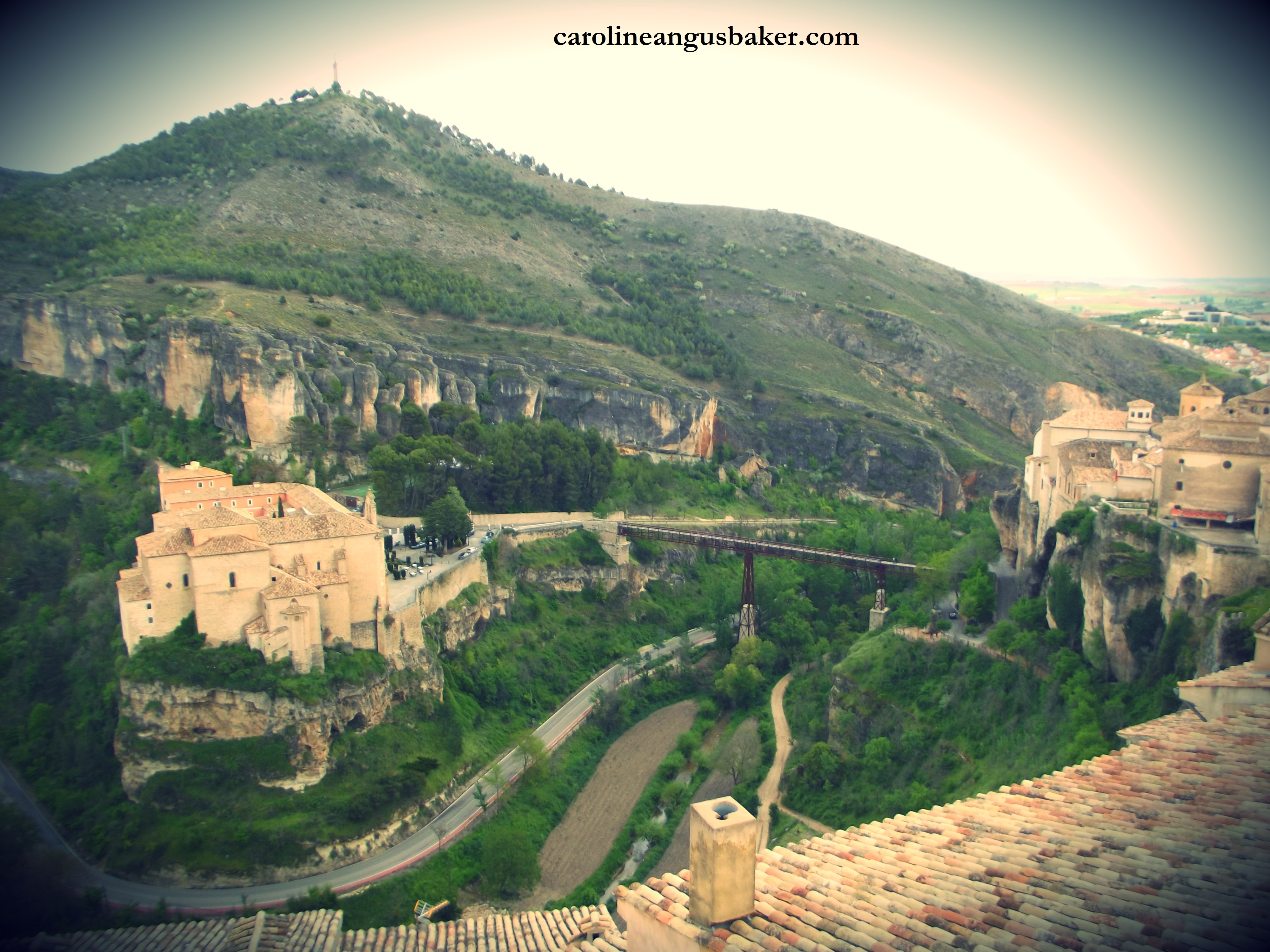
The room – I paid for a view, hence the slight increase in price and the view did not disappoint for a moment. Located above the main entrance, the room gave an instant view across the bridge over the gorge and over the old town dangling over the precipice of silent cliffs. A huge thunderstorm hung over the town, reminding me to stay inside for a little while. After an irritating car trip, I didn’t particularly want to hang out in a dated and poorly decorated room with terrible wifi, but the pouring squall slashing its way over the town was best viewed from the behind the windows.

view

I left my dark depressing room and headed down the hallway to a charming area where seating was laid out, with a view over the interior courtyard of the building. I met a charming man named Jesús, on holiday with his parents from Madrid. He said the town has become a popular place for visitors from the capital over the past few years, but as we sat together, all that passed us was a Japanese family eager to do some sightseeing. The silence of the building made us wonder if the nuns were still running the place! Jesús was the only person my age (ie. 30’s) I saw there. Maybe the price puts younger travelers off; Jesús had just got a new job and wanted to treat his parents because he hadn’t had a job for over a year.

I bid farewell to the flirty Jesús and headed outside into the frail sunshine, amazed (though not surprised) by the cool temperatures of the mountainous area. Still free of my car-ride buddy, I started a walk down to the base of the Huécar gorge, and I was entirely alone the whole time. Not a soul walked by and as I wandered around the base of the town, and back up, popping out on the side of the old town, skipping the gorge walk bridge entirely.

Cuenca1

San Pablo bridge all to myself

After the frenetic tourist-ridden locations like Barcelona, to stand alone in this picturesque area is a real chance to breathe. I took about 1001 photos of the area, which could easy take up your whole day. With my handy copy of BITVS in tow, I got to see the areas that has been so accurately described through photos and friends while working on the book.

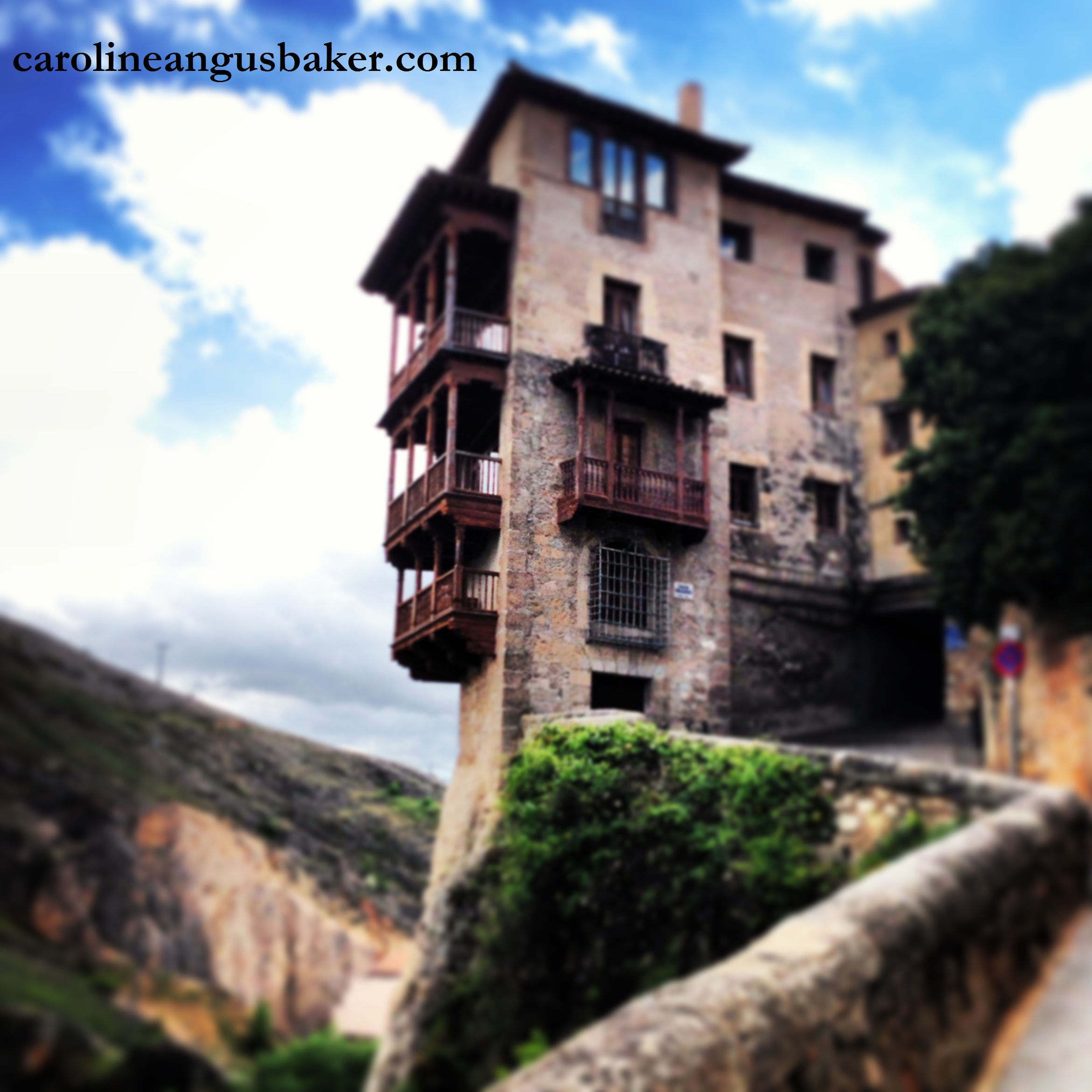
Past the Casas Colgadas, the Hanging Houses (which houses the Museum of Spanish Abstract Art), I wandered in the Barrio San Martín, a labyrinth series of streets, portrayed regularly in my book. More photos and some glorious time to be alone, something I wanted more of, I got to see the places in my book, which made me immensely happy. I didn’t pass a soul in the area, and walking along the steep and easily confusing area, it would be easy to think you have gone back in time. The silence is stunning and the town speaks to you instead.

san martin

Legit street in Barrio San Martín

luna

House used as inspiration in BITVS

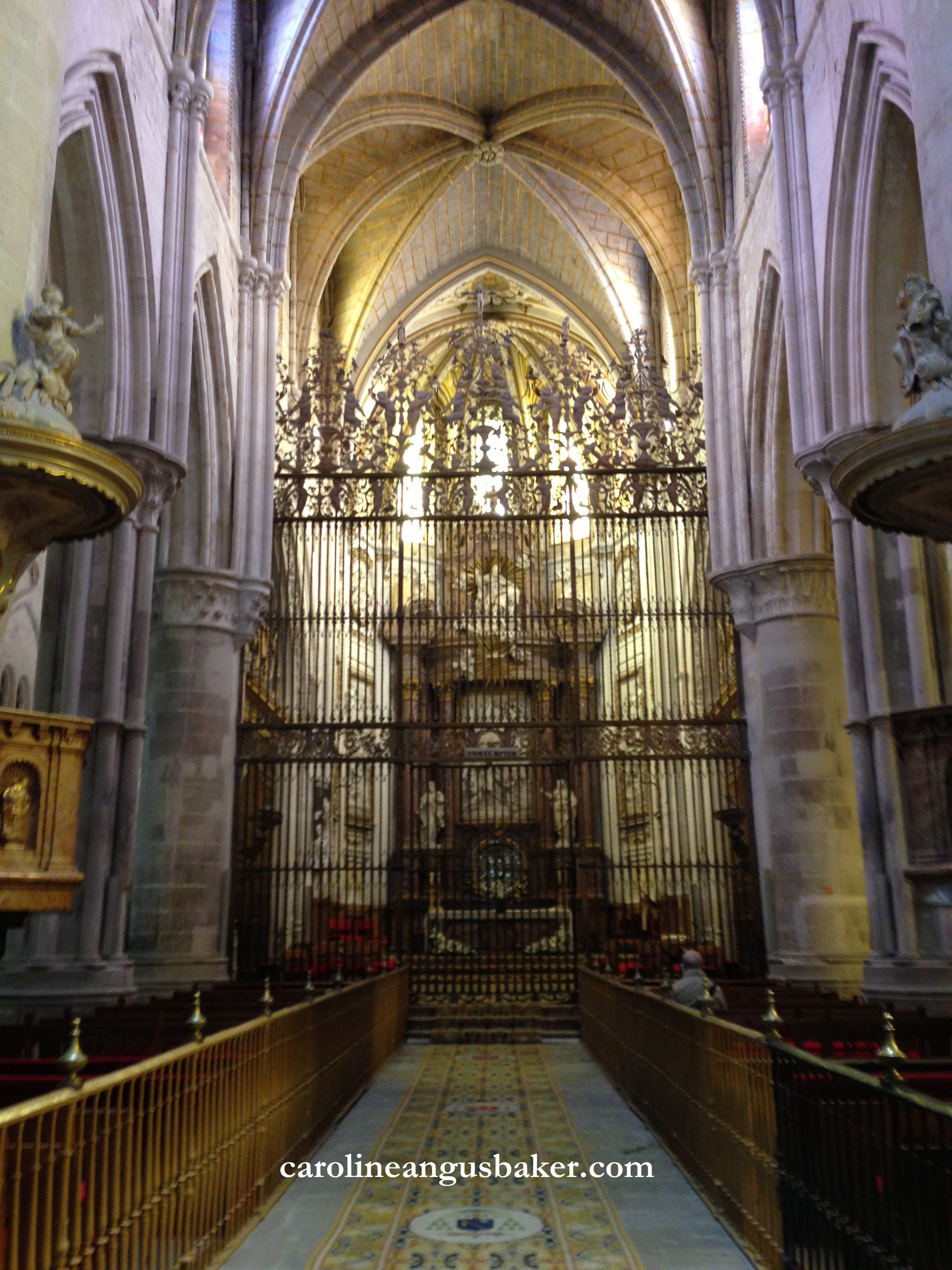
Onwards to Plaza Mayor, the heart of the old town. After popping out onto the square by luck rather than planning, it was interesting to see a main plaza with almost no people. For all the talk of the place being a tourist area these days, there wasn’t a tourist to be seen, and not many locals either.  I went straight in the direction of the cathedral, another pivotal location in my novel, and will also feature in subsequent books.

The interior of the church doesn’t disappoint. The solemn religious works sit in an air of silent and cold (almost as cold as Segovia’s frigid cathedral) peace. I sat at the altar for a while, the first time I had taken a break on my whole trip (or so it felt), to soak in the moment. It may sound crazy, or juvenile even, but being in Cuenca made my own book come to life for me, more so than Valencia and Madrid. I could imagine Cayetano Beltrán praying in the same seat, with Luna Montgomery watching in silence, wondering what the hell she was doing there with the bullfighter.

cuenca cathedral

Cuenca cathedral 

IMG_3369

With the intention of walking up Calle San Pedro, the ‘main’ road leaving up out of Plaza Mayor (try watching a bus go up there with a car coming down the other side – impressive skills and nerves), I instead peeled off along tiny and intriguing little alleyways, in search of my Cuenca (mine, as in ‘in the book’ Cuenca). The lack of people and noise makes it easy to develop your own opinion of the town and indeed imagine yourself in a novel.

IMG_3954

I reached the 18th century San Pedro church. Though basic, it’s home to a bell tower,  is a must-climb. The few hundred stairs are an easy climb and the views once up there are amazing. The climb is a real highlight (see what I did there?)
a

Parador view from bell tower

jucar

View of Júcar gorge from bell tower

IMG_3841

odd bit of artwork looking to old town from Júcar gorge

For me, I felt exceedingly lonely in Cuenca. I missed my family, who weren’t on this research trip with me. Without them, the majority of sights seemed hollow. Cuenca is a sight best seen with someone you love (or at least like!). I wandered back to Plaza Mayor, and grabbed a map from a nice young guy named Carlos at visitor information. I prided my lack of maps on my trip, but it was quite handy for a quick walk up and down stairs on the hillside to view the Júcar gorge on the other side of the old town, and then I was officially tired of the whole area. My enthusiasm had gone. I went back to the parador, this time over the San Pablo bridge, and took a break.
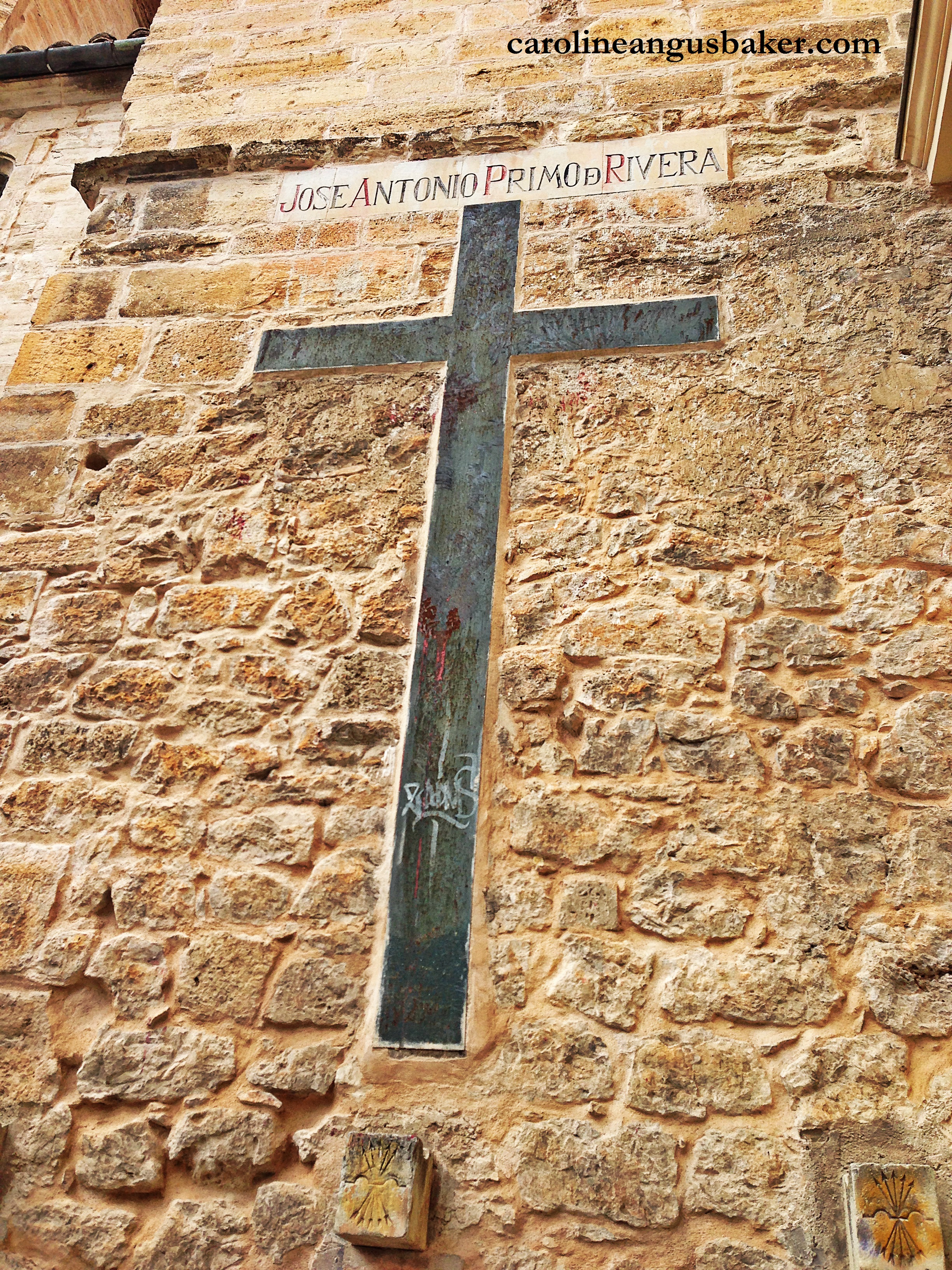
weird

Creepy homage to Jose Antonio Primo de Rivera, see the little Falangist symbols beneath? I nearly fell over when I saw this on the cathedral wall near the entrance to the Archbishop’s palace. Odd in 2013.

Surely evening could be interesting. With exhaustion ruining the trip, my car-ride buddy suggested a drink at the restaurant in the parador. Before even poking my head in, she said that everyone looked too old and boring (note from me – if you are in your 50’s, I’ll happily share a drink with you). Instead, we headed over the gorge and into the old town, to a random little in Plaza Mayor bar where I spent my evening mulling over several white wines from Cuenca – all of which I would recommend. The barman brought so many tapas over that dinner wasn’t required!

IMG_3939

The walk home at about 1am was a highlight, I’m not one for heading out late at night, but walking the pitch dark and silent alleyways, suitably spirited with wine and relatively lost makes you feel like someone is creeping up behind you, or that you’ve stumbled into a Jason Webster novel. The cliffs lit up at night is a sight to behold, even if my iphone couldn’t capture them very well, as is crossing the bridge in the dark.

A rough attempt at sleep on a bed so hard I thought it had been built from nearby rock, I got up at 4am and went for a walk on my own, to the amusement of hotel staff. I did this on almost every night of my trip and it’s interesting what you can see and hear when out when no one else is stirring. I crossed the bridge in the freezing air, and heard what I think were owls, the sound echoing through the gorge like an eery cry. It took little imagination to feel like it was 1913 or even 1713. I sat between some trees on a lonely bench and felt very alone, which felt strangely liberating. The oddest thing, and I don’t believe in ghosts et al, but I felt very watched. I walked down under the bridge and walked the lonely road that arches through the waterless gorge. The sun had began to ease its way through the darkness as I headed back along the path to the hotel. A solitary figure stood on a driveway at one of the basic houses in the gorge, an old woman, who placed a hand on my shoulder as I passed her with a hello. ‘Women are always busy here, even when the men sleep’ she said and then simply turned away. I felt like I had found Spain, there that moment in the dark gorge, the wild Spain I had been looking for, one filled with a presence that was intangible.

After the fear of loneliness and darkness combined with bitter temperatures chased me back into the hard bed for an hour or so.  The creepy quiet night walk was worth staying in the town, otherwise I would recommend Cuenca as day trip rather than an overnight.
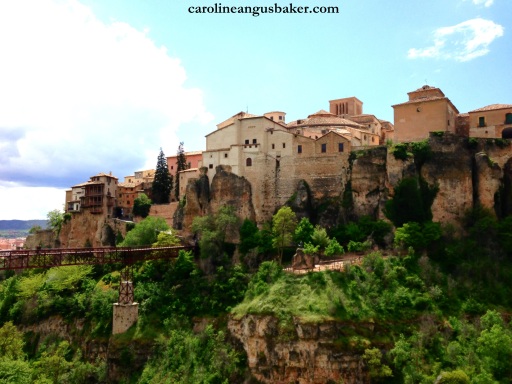
bridge

one last look

I checked out of the parador as soon my car-ride buddy was ready to leave and we headed for Madrid, just 165 kms away. I felt great for having seen Cuenca, but more than ready to catch up with friends in Madrid.

road

legit two-way street!

Must see and do –

Covento de San Pablo, even if only from the outside, just to see the view of the town staring back

The San Pablo bridge, were you must add your pledge of love to

Plaza Mayor, were tourists don’t exist

The bell tower at Iglesia San Pedro

The narrow streets of Barrio San Martín, and stop in any almost medieval-looking bar you can find

The view over Júcar gorge tends to get forgotten in postcard snaps but it just as beautiful and wild, and has a long nature walk in and around

The Cathedral, even if you just take in the facade

The alleys that lean against the edge of the Huécar gorge, try Ronda Julián Romero for a quiet alley walk

The wilds that surround the area. The landscape makes you want to cry, especially this civil war nerd

Drink the wine, eat the snacks. Nobody ever regretted that

The not-so great – 

Unless you are planning to take on the wilds around Cuenca, I would recommend taking the train. Cuenca is an easy place to get to by public transport and having a car was a pain in the ass, and I didn’t even drive it! Plus you meet fun people on trains, unlike in tedious car trips, especially if you can’t stop along the way. Plus I don’t like being yelled at for not knowing where to go/park in locations I’ve never been to, or haven’t been to in years

The parador – iconic, yes; but worth the costs? Neither Jesús or I were convinced of that. With other options available, do your homework first. If you’re determined to stay there (as was I), you should. I got the chance to visit the restaurant for breakfast (included in room cost) which served a buffet of both Spanish and English choices. Any day with churros is a good one. The rooms are not that nice or big, so be careful who you room with. Prince Felipe stayed there on his honeymoon, but I’m guessing he had more fun things to do and had well-chosen his companion! The cost of the bar/restaurant has been debated as over-priced, but I saw plenty of unusually pricey menus in windows while out on my walk. But, not every place is attempting you rip you off.

Spain is not hot all year around, despite what some think. Cuenca is located in a gorgeous but unforgiving landscape, so take a jacket unless its August.

Don’t expect Cuenca to be lively and exciting like a city. You might be disappointed. The place met all my expectations, but if you want to meet a sexy 19-year-old man-boy in an old town bar to engage in a fling with, you might be pushing your luck (What?! Some people like to judge people on looks and dream of Spanish interludes. Not me, but some people, it’s how romance novels are born). Likewise, if you’re not interested in war history, don’t travel with me!

The same generic Made in China souvenirs are available, like with anywhere. I did manage to buy a heavy stone model of the hanging houses, which was made locally.

Want to go but don’t know where to start? Take a look at the Spanish Thyme Traveller, who have just added Cuenca to their list of already well-planned holidays. Here is their latest blog post, all about a trip to Cuenca – A Visit to Cuenca Spain
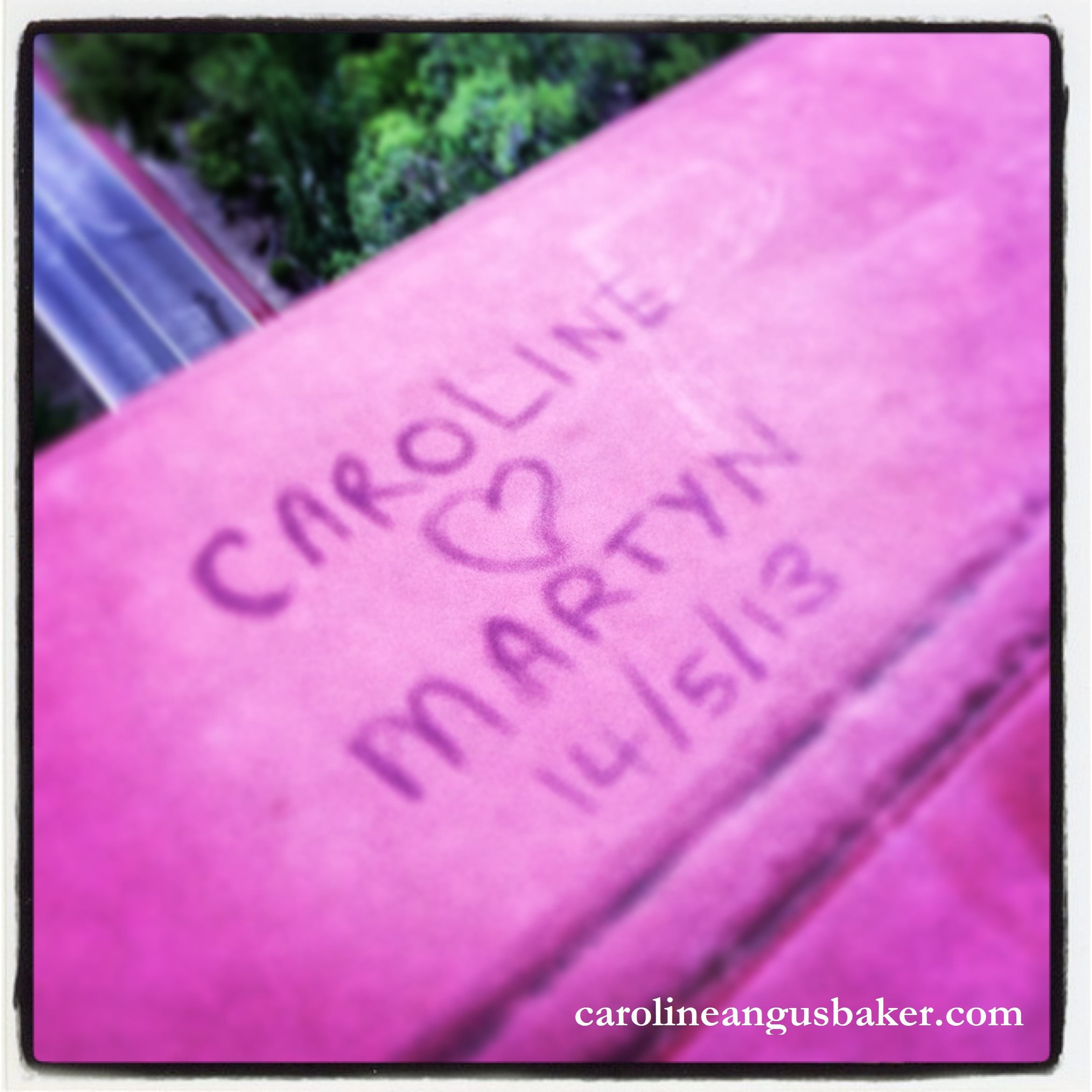
IMG_3442

people declare their love on the San Pablo bridge so I did just that!

A LITTLE JAUNT TO SPAIN – REVIEW PART 4: On the road with ‘Blood in the Valencian Soil’

me book park

The traveller sees what he sees, the tourist sees what he has come to see – Gilbert K Chesterton

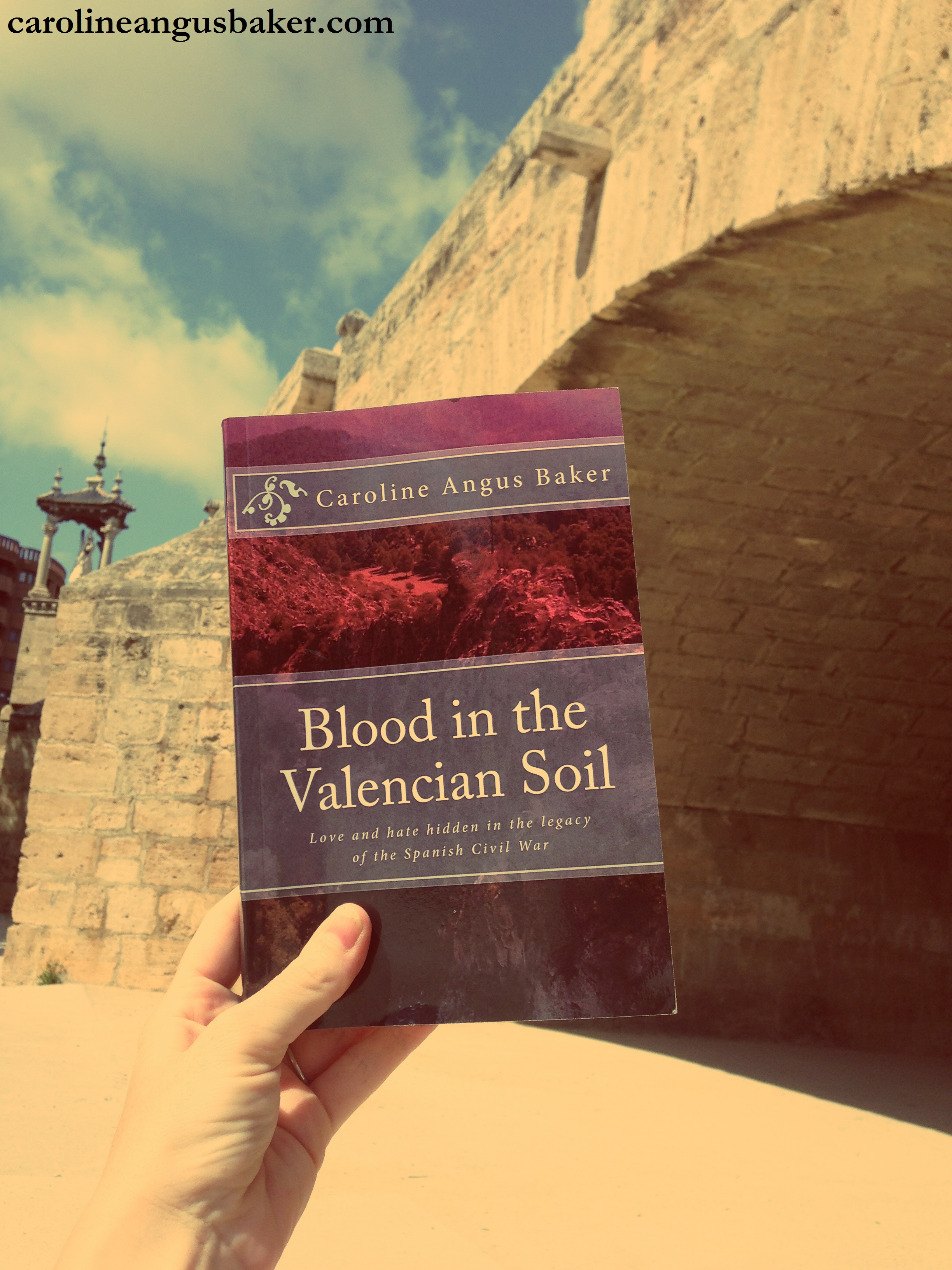
There are two things I don’t like – being mistaken for a romance novelist, and being called a tourist. I went to Spain without maps, guidebooks, or a plan for my trip. Yet, I decided to do something that would mix in two things I don’t like, and walked around like a tourist, taking photos of a book about love affairs destroyed by the Spanish Civil War. People in Valencia didn’t look twice at me, such is their relaxed nature. Madrileños looked at me like I was crazy, which was pretty fun. Either way, for several hours, I took photos of my last novel in some of the locations in the book.

me book

Caught being a tourist at Valencia’s Pont del Real

book brdge

Valencia’s Turia is a central point in the book through most of the novel, and in the titles to come in the ‘Secrets of Spain’ series. Who wouldn’t want to visit? I enjoyed sitting in the grass every day of my time in the city.

So here we are, in rough order as they appear in the novel, photos of my book and locations in BITVS. Even if you haven’t read the novel, you can still enjoy some beautiful parts of Spain –

B&W book cuenca

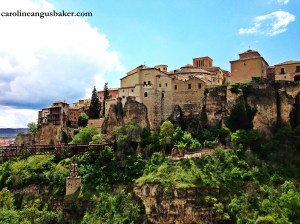
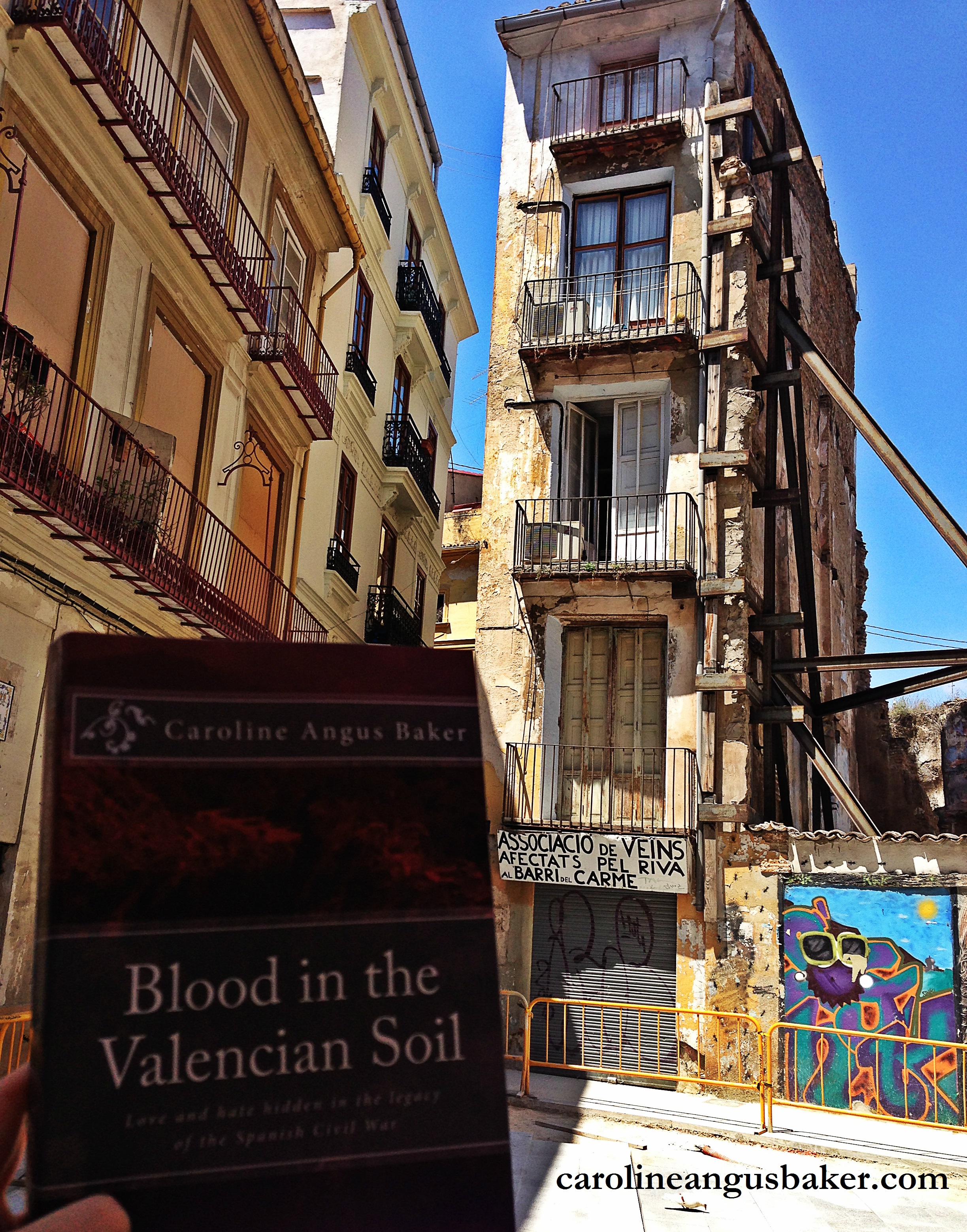
Chapter one – 1939: view of the Cuenca Convent San Pablo from the Beltrán family home in Barrio San Martín

IMG_3670

Chapter one – 1939: Cuenca’s Casas Colgadas, Hanging Houses, where Cayetano, Alejandro, Scarlett, Luna and Sofía discuss the civil war

IMG_3802

Chapter two – 2009: Madrid’s Plaza de Toros near where Luna meets Cayetano ‘the bull-minder’

madrid

Chapter two – 2009: a walk in Madrid’s Retiro park

ritz book door

Chapter three – 2009: a night at Madrid’s Ritz hotel

IMG_3828

luna house 1939 book

Chapter seven – 1939: the drop from Luna’s window

book park

Chapter eight – 2009: Cayetano follows Luna in Valencia’s Turia

cuenca bridge book

cuenca

Chapter 11 – 2009: Luna and Cayetano go to Cuenca in search of their namesakes

cuenca cathedral

cathdral book

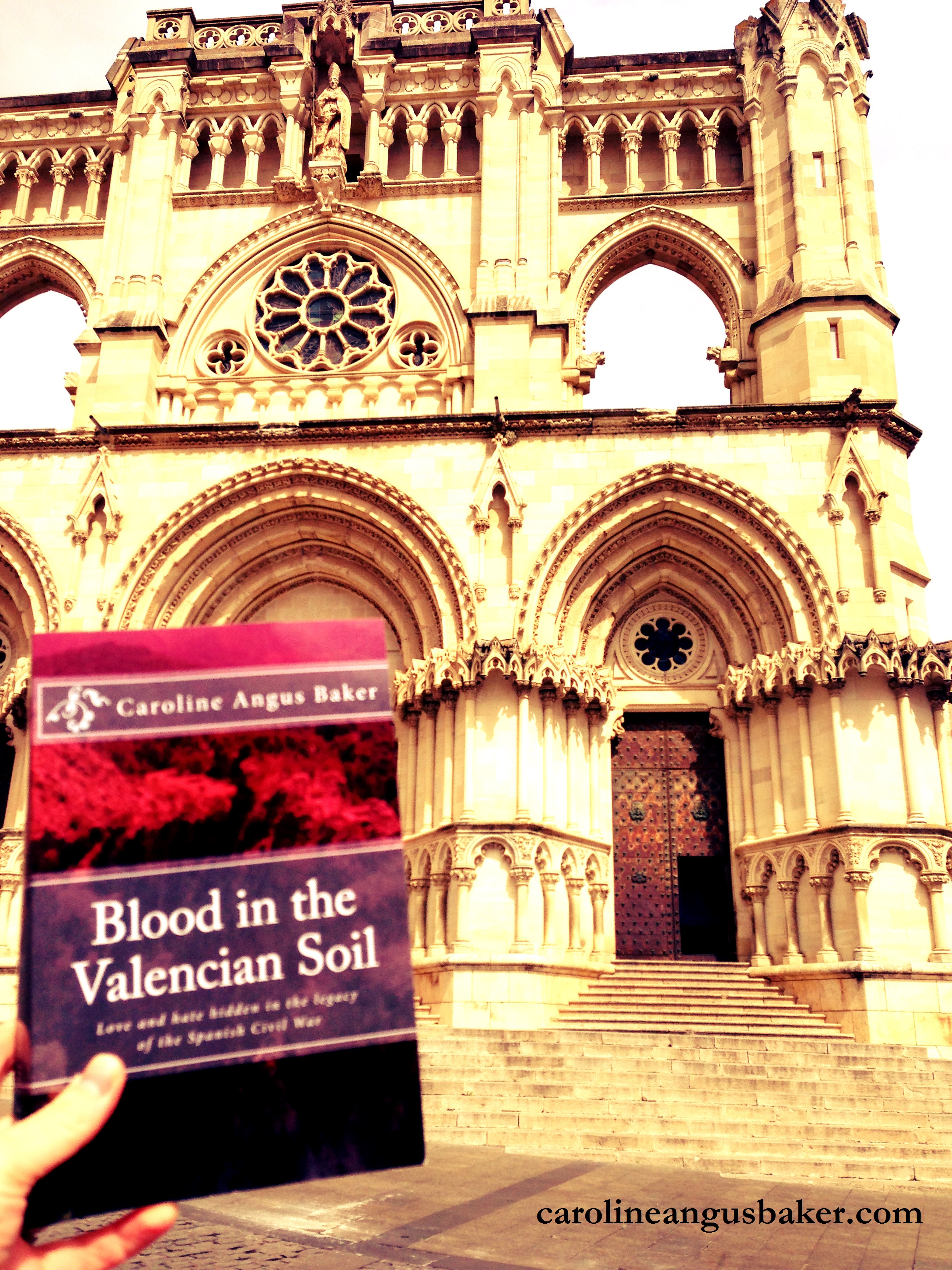
Chapter 12 – 2009: Cayetano and Luna get into a fight at Cuenca’s cathedral

san martin book 1

Chapter 13 – 1939: Luna, Cayetano and Scarlett panic run up Cuenca’s Barrio San Martín steps

IMG_3795

parador book

Chapter 14 – 2009: a stolen night in Cuenca’s parador

park madrid book 2

Chapter 19 – 2009: another visit to Madrid to uncover the Beltrán family secret

luna 2

Chapter 21 – 1939: a secret burial in the Valencian mountains

book torre up close

me torre

Chapter 21 – 1939: arriving in Valencia as the war comes to an end

palca del angel book

valencia 8

Chapter 21 – 1939: Placa del L’Angel, where a plan to survive the war is hatched

serrano

IMG_2885

el carmen

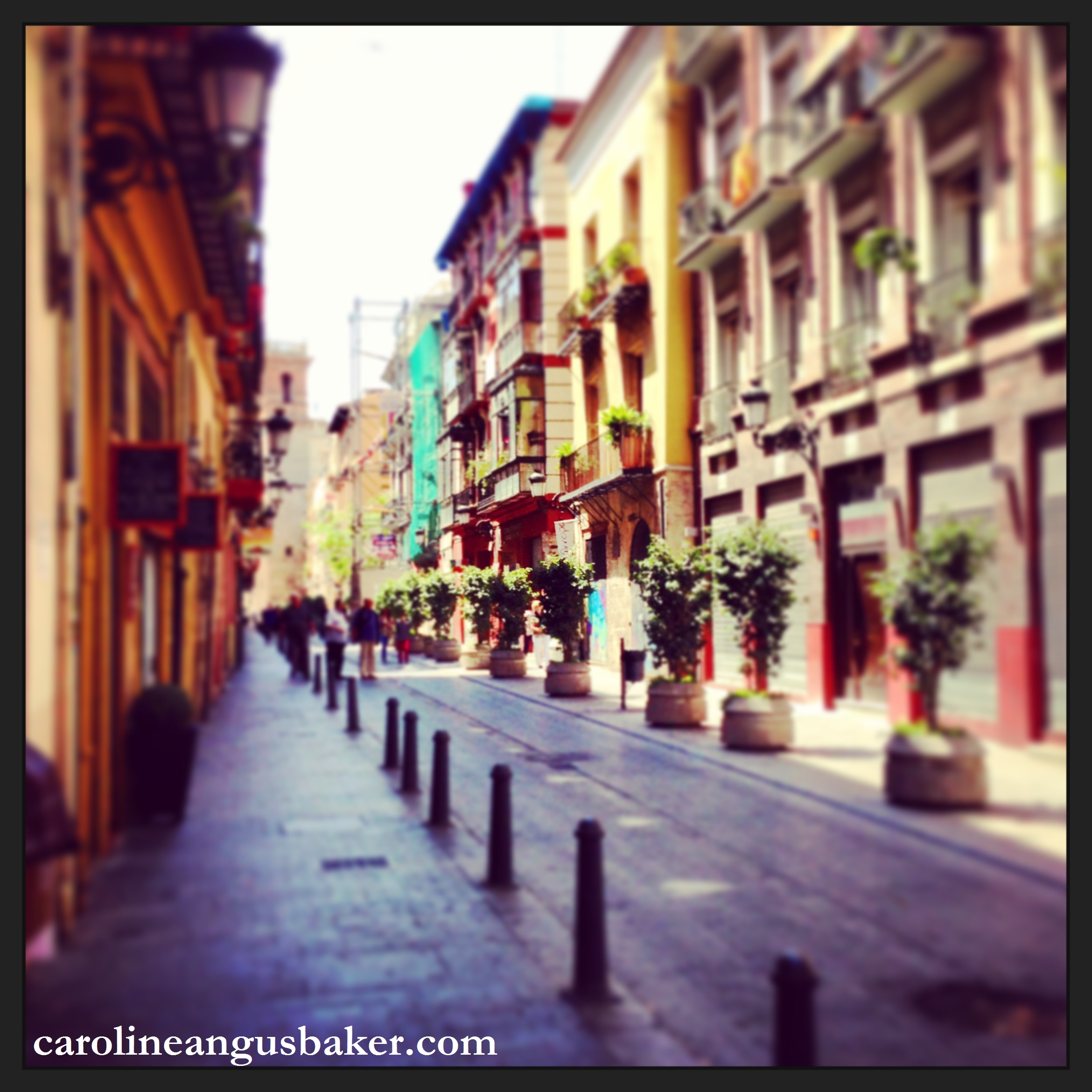
Chapter 24 – 2009: a disasterous night out in Valencia’s El Carmen district

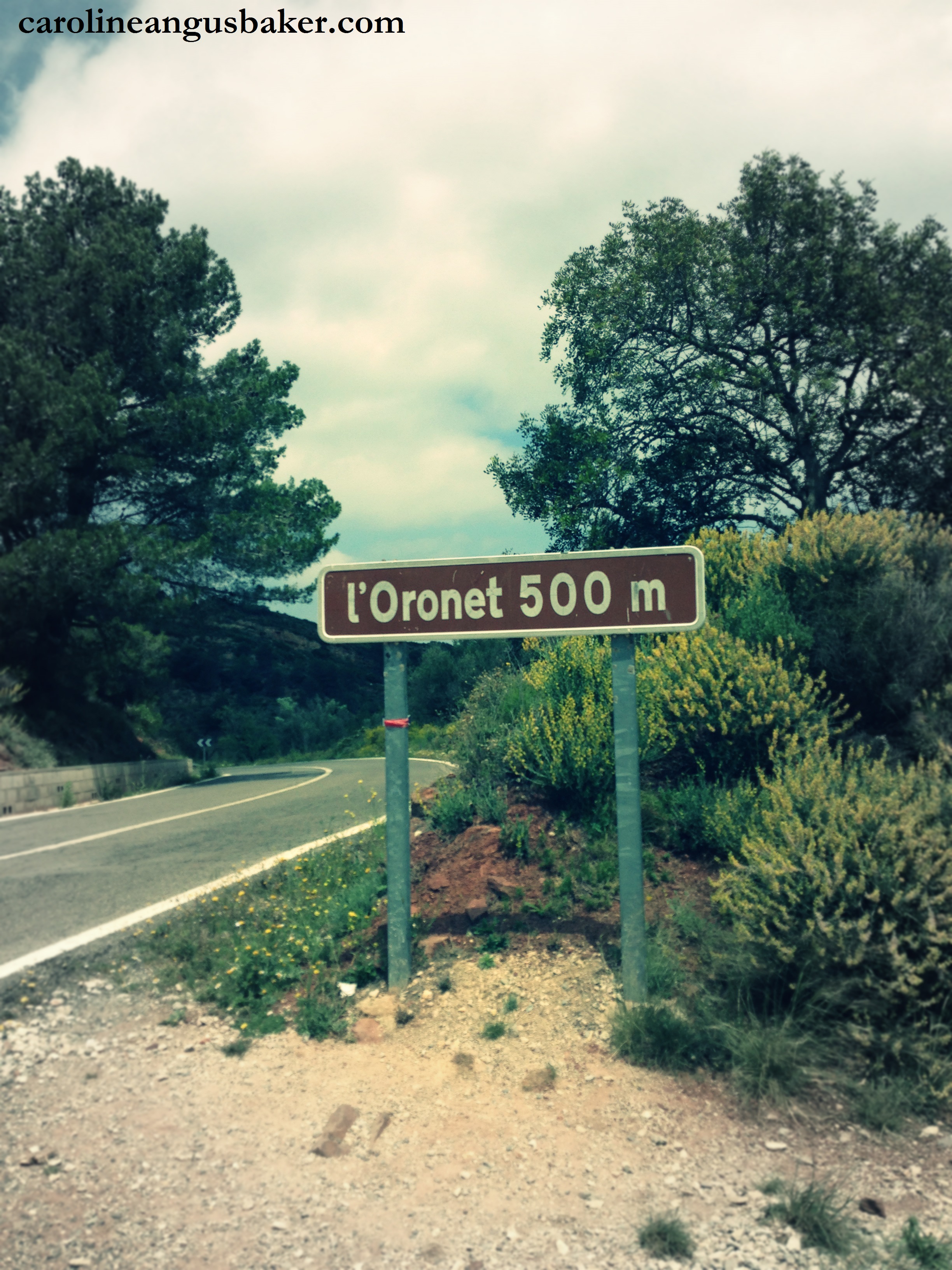
L 'Oronet

book mountain

Chapter 26 – 2009: a secret hideaway in the Valencian mountains is found

cloxck tower

Chapter 29 – 1939: panic at the clock tower at Valencia’s port

IMG_3618

Chapter 33 – 2009: Luna goes back to work as a Valencian bike mechanic

bridge names

Chapter 34 – 2009 and 1939: a declaration of love (written on Cuenca’s gorge bridge) that is broken and forgotten

IMG_3616

Chapter 35 – 2009: Cayetano hears a painful truth, another barrier to getting back in the bullring

virgen

Chapter 39 – 2009: a bullfighter and a bike mechanic at the Valencia’s Plaza de la Virgen fountain

water court

Chapter 39 – 2009: the entrance to the Valencia cathedral where the Water Court meet

luna 1

Chapter 45 – 2009: a new grave discovered in the Valencia mountains

There you have it! Because I am doing posts on Valencia, Madrid and Cuenca, I didn’t feel the need to go into specific detail about each location, I will save that for other posts. In the spirit of not planning my trip, I unexpectedly ended up in Xátiva. I didn’t want to visit the town again, but the fun trip gave me this photo, standing in the spot where, in 2005, my husband took a random scenic photo. It ended up being the photo that graces the cover of BITVS, but I didn’t have a copy of the book on me that day!
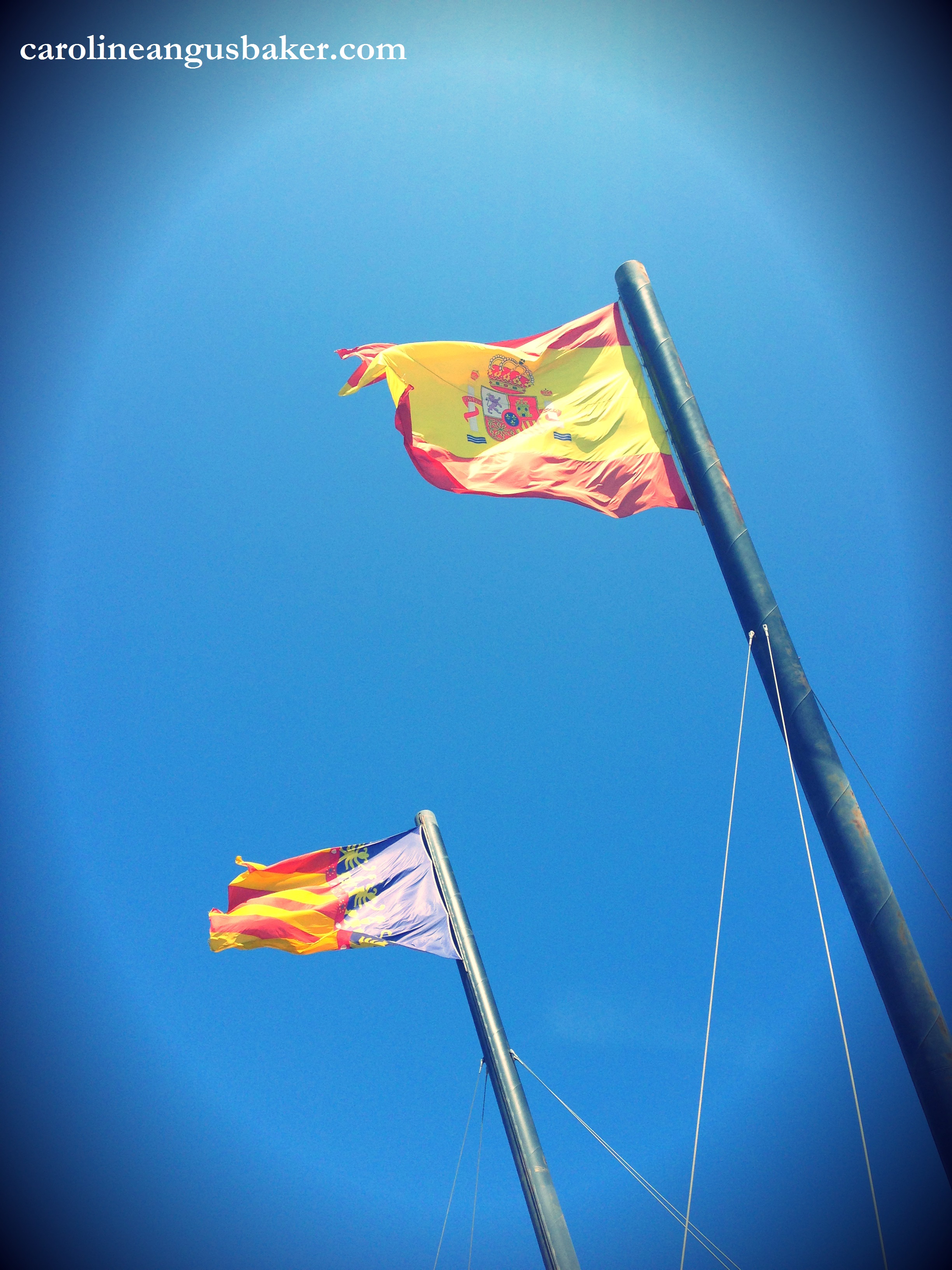
IMG_2521

So, what happened to the copy of the book in the photos? It got autographed and given to a friend who was kind enough to accompany me on a very cold day out in Madrid as I took the photos. Thank you for your good humour and an arm-in-arm stroll in Retiro, in the spirit of the novel. Being able to talk about Spain and the civil war every day was the highlight of my trip.

Up next… Part 5 (of 10) – Madrid Tapas and History Tour with James Blick

*all photos are authors own, with the exception of photos 1 & 2. Owner – Sabine Kern.

A LITTLE JAUNT TO SPAIN – REVIEW PART 2: The top ten things I rediscovered about Valencia

VALENCIA

If any city deserved to be announced in capitals, it’s Valencia. I lived in Valencia for roughly three years and I had a whirlwind of a time. I moved away in 2007, on the premise that I would return in three months. However, court cases, immigration and several cases of terminal cancer got in the way and my life once again took shape in New Zealand. Valencia has remained the place I love the most, and I joked that I left my heart there when I moved, so I would need to return. After a long absence, it was time to put that to the test.

valencia 1

Time to get my Valencia on

I arrived in Valencia by train. The trip from Barcelona felt days long. Despite a successful trip to the Catalonian capital, I wasn’t in a great mood. The three-hour trip was punctuated with stops in forgettable locations, and the rigours of the night before threatened my resolve to stay positive. I arrived my apartment on Calle San Vicente Martir, and met a lovely woman named Inés, whose English was much appreciated, I felt keen to be on holiday again.

When I joked and said I left my heart in Valencia, perhaps I wasn’t joking. I dumped my bags and set off along the streets of the city’s old town, and realised that I absolutely belong in this city. That began six nights and days of enjoying as much Valencia as possible. Who needs sleep? Not me, a few hours after I arrived in V-Town, I found myself in a club deep in the El Carmen district, lost and loving it.

Rather than bore you with a diary of my events, here are the top ten things I rediscovered about Valencia. I knew all of these things, but they stood out to me again on this trip.

In no particular order, and without photos of the same spots as every other site –

1 – PDA’s (Public Displays of Affection) are everywhere

When I started writing the modern day storyline of Blood in the Valencian Soil (BITVS), I set out to write in little details of life in Valencia city. Now, I have seen this in many Spanish cities and towns, but in Valencia it seems to stand out to me. Everywhere, but particularly in the Turia park, they are people kissing. Not just kissing, attempting to suck each other’s faces off. To their credit, the Spanish don’t look like two virgins at their church wedding when they kiss, they have largely sorted the art of good kissing. I have a love/hate relationship with this level of public affection. I love the fact that people feel free enough to sit around kissing (very unlike where I live), and I hate it because I’m not the one doing the kissing! I remember on a number of occasions, when living in Valencia, when asked what I would like to do on an evening out, I replied, “Let’s go and make out in the park. That’s what all the kids are doing these days”. If you have a companion while in Valencia, or happen upon one, I recommend kissing in the park. The other week, I saw a couple farewelling one another. I was lying in the grass, listening to some Pablo Alborán, when I heard a bang nearby. This couple, in their lust for one another, had both dropped their bikes in a heap while he swept her into his arms for a very long smooch. I screwed my face up – with jealousy. I think kissing is highly underrated, but Valencia’s Turia celebrates this somewhat lost art.

valencia 11

Anyone fancy a kiss near my favourite part of the park?

2 – It’s so easy to get around the city

Pull out your map of Valencia. You feel mind-blown by the amount of things to do. There’s the old town, the El Carmen, Ruzafa, the Turia (which has the Bioparc zoo and the Arts and Sciences at opposite ends of each other!), and you can’t miss a chance to go to Malvarrosa. Sure, if you want to explore Plaza de la Virgen and Plaza de la Reina, they are nearby each other, but you may feel like you are going to have to miss out the further flung attractions.

Oh, no you don’t! The beauty of Valencia is that everything is within walking distance, and you don’t have to enjoy marathons to sight-see on foot. Even if you don’t want to walk, there is the excellent bus and Metro services. Valencia is beautifully packed. Want to try the markets ofMercado Central, Mercado Colón and Mercado Ruzafa in the same day? Of course you can! Want to eat paella at the beach, but also visit the Arts and Sciences complex? Do both! Want to wander all the historical sights of the old town? You can do all of that in a day, and enjoy plenty of meals, beverages and ambiance. It’s nigh impossible to get lost in Valencia, despite it’s narrow intricate streets of the inner area. If all else fails, you will eventually pop out on what got nicknamed ‘the ring road’, the road that winds along the edge of the park, and around Carrer Guillem de Castro/Xativa/Colón. This circle of roads encompasses the oldest part of the city, and what could be considered the most complicated area to navigate, but also home to the largest concentration of sights. No matter where you get lost, you’ll pop out on the main road and can dive back in somewhere for more fun. In six days, I did every sight in the whole city, plus day trips outside the city, and multiple afternoons of mucking around relaxing. You will never want to leave Valencia, but if you are time-poor, you can still be attraction-rich.

valencia 15

There is a lot to see, so get out there!

3 – Valencia has its very own vibe

“It’s the vibe of the thing”. Classic line from an excellent Australian film. It’s relevant here in Valencia. The city definitely has its own vibe. Valencia is like Spain’s youngest child. Madrid has the feeling of being the oldest child – there is a reserved obligation, a feeling of needing to be in charge, needing to set an example. Barcelona is the middle-child, too flamboyant to be forgotten, but feels the need to show off for attention. Valencia is the baby of the family, and while the other cities came of age, Valencia was still running between the adults in search of fun. Now, Valencia doesn’t need guidance, or to try to measure up to its counterparts. It may be Spain’s third largest city, but there is no conformity in its way of life. Valencia is alive with its own traditions, language, food and attitude. Valencia feels like its inhabitants are on regular alert for a good time. The city, like the nation, may be in times of hardship, however, the joy of life remains.

valencia 7

You would never know an anti-austerity protest in directly beneath me, would you?

4 – You don’t need to know Valencia’s history – you’re living in it

When Valencia sighs, it doesn’t just let out the stress of the day. It heaves with the weight of all that has gone on. This is a great thing! Granted, most who visit the city don’t know the great detail of this spirited city. For a history nerd like me, I jump up and down with excitement. The interesting thing about Spain is (and I spent many an evening talking about this over drinks) that the country is how it is for a number of reasons. The people are the way they are for specific reasons. This all relates to Spain recent (ie. 20th century) past. Spain is a deeply complex country, and history’s events have plunged in a knife into each city and town differently. For example, the horrors many cities suffered in the civil war are very different. Valencia was never at the front line of the war (aerial bombings aside), but when the city fell at the end of the war, the last point to be captured by Franco’s rebel troops, it fell hard. (BITVS can give you a easy-to-digest concept of this if you are interested. My fiction doesn’t get to stuck on little details, so as not to weigh down the narrative. Good if you don’t want to be a history buff) Also, for me, the disastrous story of Valencia’s 1957 flood still has hints around the city. While researching the subject for my next novel, the locations in the book are largely the same as they are today. I can walk around corners, my hand on the stone buildings, and be able to visualise the flood water level, which is marked in some locations. Valencia has a soul, and if you wander off the cruise-ship tourist trail, you can hear it speak.

valencia 3

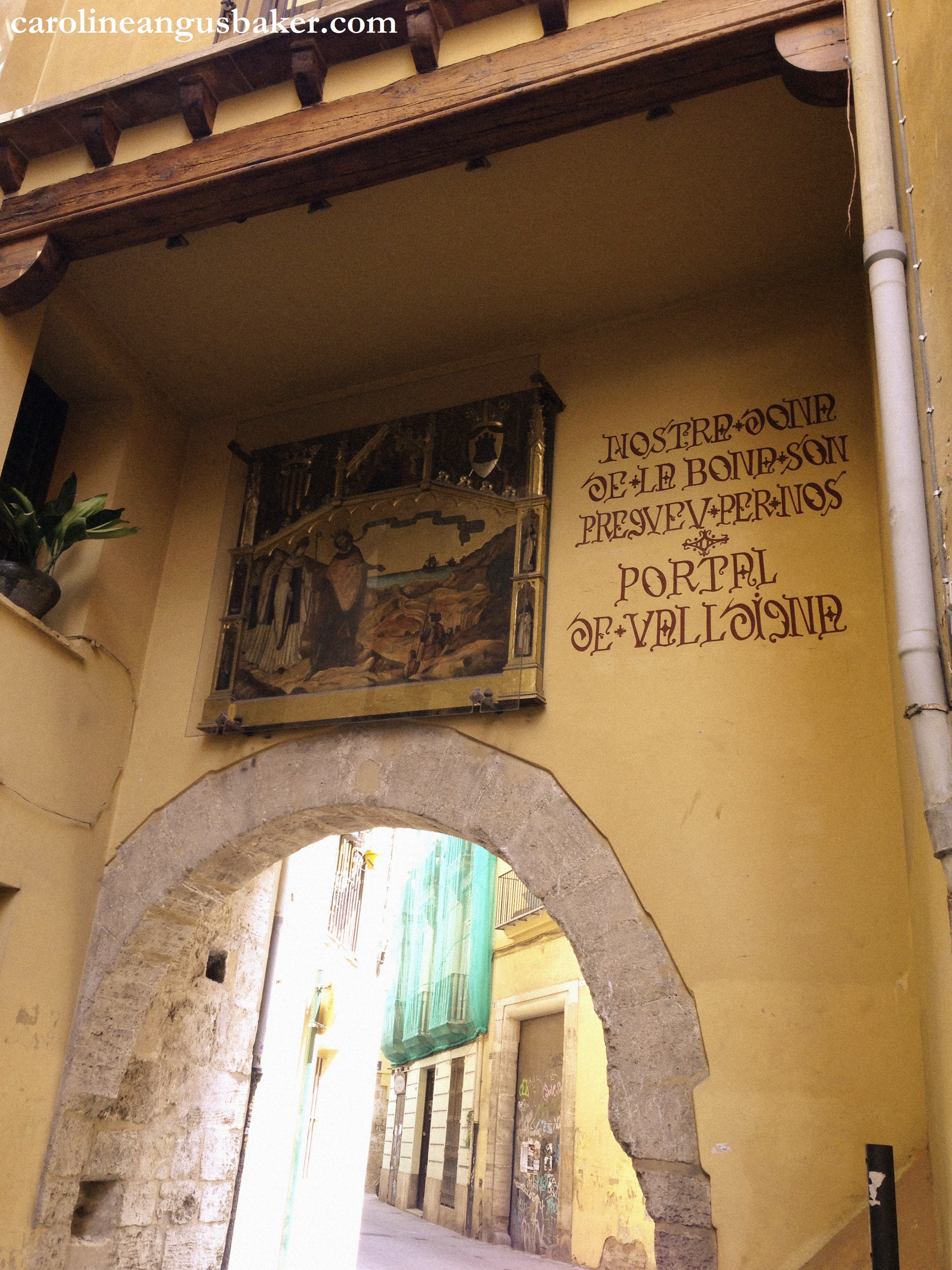
The Portal de Valldigna, the old entrance to the Arab quarter of the city in 1400. My next novel, Vengeance in the Valencian Water, has a scene here. Standing there with the place to myself, gave me a chance to finalise details for a gruesome scene.

5 – The city knows who it is, but the future is still wide open

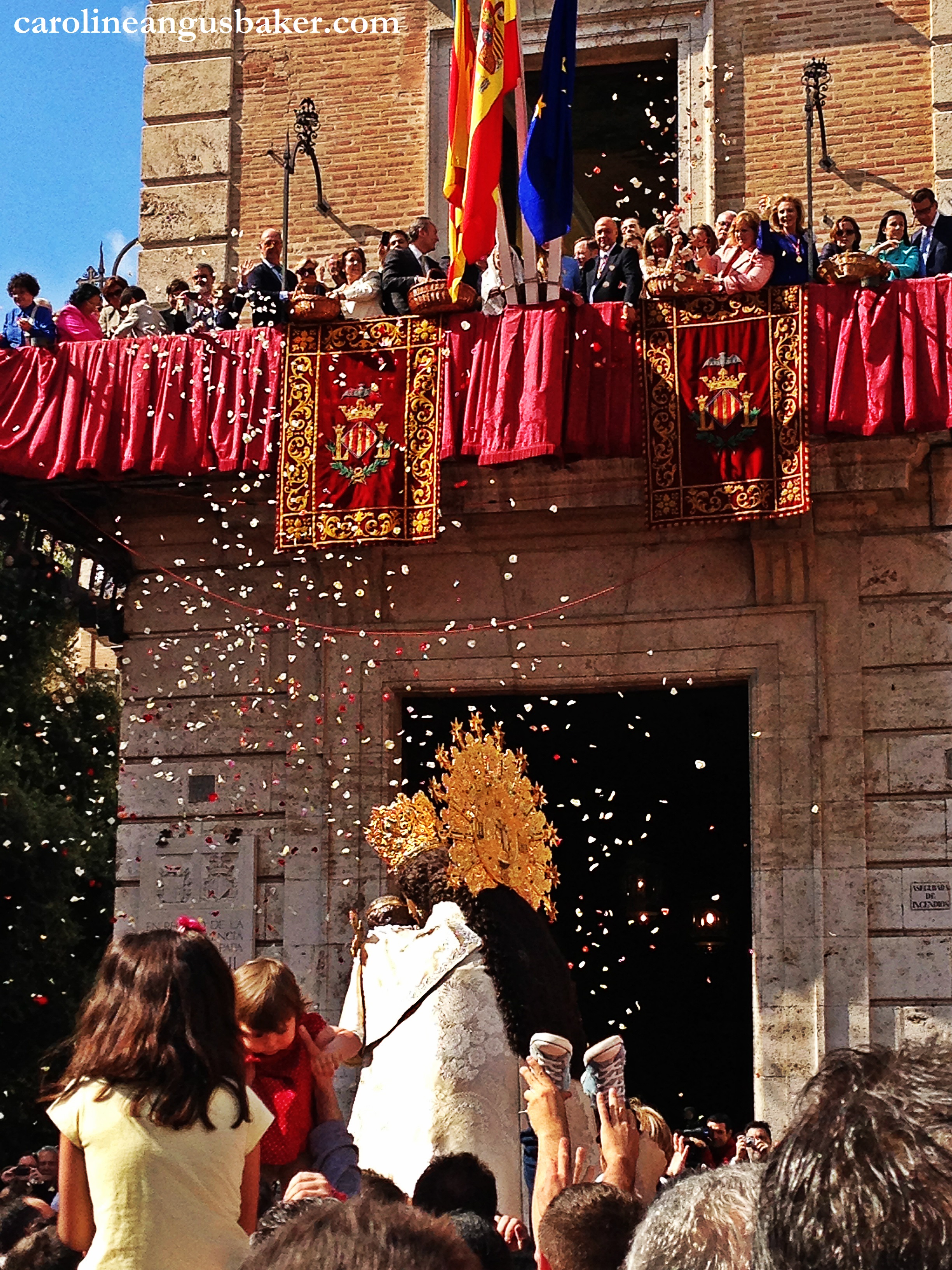
In my eagerness to celebrate San Isidro in Madrid, I forgot to check the fiesta timetable for Valencia. What do you know? Second Sunday of May is the procession Virgen de los Desamparados. The Virgin of the helpless/forsaken, who is much-loved in V-Town, is pulled out of the Basilica, where she lives, and carried to the city’s cathedral. It’s around 200 metres. Piece of cake. Not. The original statue dates from around the 15th century, so she stays at home, and a replica is paraded through the thousands of people who want to see her. Touching the statue is a big deal, you get a year of grace if you touch her. People hurl their babies at this thing, who cry in panic. I stood in attendance and watched with amusement as people cheered “Long live the mother of God” (Correct me if I’m wrong there).  Was this the end? Lord no. The night before had been full of processions and prayer, and the rest of the day followed suit. Valencia has many such days in its calendar, and they are regularly attended, despite being hundreds of years old, and surely enlightenment has opened people’s minds to the world. No matter, from rugby-throwing your baby at a replica statue, to burning down the city at Fallas, and everything else the year holds, Valencia loves its traditions.

In saying that, Valencia, like its Spanish counterparts elsewhere, has suffered upheaval. Apart from anti-austerity, Valencia’s current main beef with the scum-filled right-wing government is the cuts to education. Indeed, what becomes of the generation of children in school right now? Those a decade older than them are suffering at the beginning of their lives. Everyone is hurting. Valencia has a difficult future ahead. I realise this is irrelevant information for your average tourist, but not to me.

valencia 4

Valencia’s ghastly mayor, Rita Barberá, throws petals at the Virgen while people toss forth their kids. It’s all smiles on the balcony for the rich, not so much for people on the ground

6 – It’s all about the people

Yes – Valencia has it all – the abundant good weather, the first-class food, the luxury of the Turia, history, language, shopping, sexy policemen in tight pants (note – may be limited to the guy I saw in Plaza de la Reina), but the people make the city. I feel this way about any place. Something can be beautiful, but if the people are assholes, the trip is ruined. There are a few assholes in V-Town, like anywhere, but for me, the moments where I met with people in the city, old friends and new, they were the best parts of the trip. Who would have thought I would have watched a group of ex-pats try to lay out a portable cricket pitch in the baseball diamond in the Turia? It’s the more out-of-the-way things that make a trip for me. You can only take so much sightseeing and tapas. People make the difference.

valencia 9

Graham Hunt and myself pose for a shameless selfie to post on the WABAS FB page. Nicest guy in Valencia, no question. 

7 – It’s possible to be a local and a tourist at the same time

How? I will tell you. Shoes. You can tell a tourist by their shoes. They are wearing comfortable walking shoes. Please, go and buy something pretty and inappropriate, and you will blend in.

I’m kidding. The number of tourists has remarkably increased since I last visited Valencia. It’s a double-edged sword; the city needs to survive and cruise-ships pouring in mostly middle-aged punters, or hordes of Japanese tourists boosts the economy. They follow marked routes through Valencia’s main points, and in theory, spend their money. This is new to me, and I wondered what the city will look like in another five years. Perhaps like Barcelona, who seems to have sold itself to tourism? I hope not. The risk is there in Valencia right now. You can follow the main sights of the city, and they should be seen. They are popular for a reason.

However, wander a few streets away and you can feel the buzz of Valencia life again. Tourism hasn’t swallowed up Valencia’s spirit. You can sit and eat like a local, talk like a local (or at least try) and get a feel for the place. Cast off the oversized lens, the guidebook and the comfortable shoes, and get to know the place. You will be glad you did. My happiest moments were found in total solitude, just living life, and not sightseeing in Valencia.

valencia 21

Valencia bullring. As a woman aged 32, with no male companion, it was impossible to blend in. I needed to be male, over 60 and smoke a stinking great cigar to fit in. The guy next to me kept calling me Nueva Zelanda and every time a bull got stabbed/killed, he would remark “Nueva Zelanda sigue siendo tranquila. New Zealand remains calm.” He seemed rather surprised. Dude, I know my shit.

8 – You don’t suffer cathedral fatigue

Cathedral fatigue – I suffer it. I have long lost count of the number of Spanish cathedrals/churches/basilicas I have visited. I am not religious, so the places don’t hold significance (though the one I entered with Nick Lloyd in Barcelona was amazing – another post). I have seen some big churches – Valencia, Madrid, Barcelona, Segovia, Cuenca, Toledo, Seville, Granada, Cordoba, Xativa, Avila, Burgos to name a few locations. Valencia Cathedral is still the best of them all. Not for anything in particular, though it houses THE Holy Grail and the views from the bell tower are eye-watering. I guess it’s just the Valencia vibe that makes it special. Between the cathedral and the Basilica (home to the above Virgin statue), you will be left feeling like you’ve seen a great sight, not trudged through another church that reeks of the church’s former power over the population.

There are plenty of old-world attractions that aren’t churches, like the La Lonja, the Torres de Serranos and Torres de Quart, the streets of the El Carmen area, the town hall and the post office in Plaza Ayuntamiento, and the train station and bullring. Valencia has unique sights to see.

valencia 2

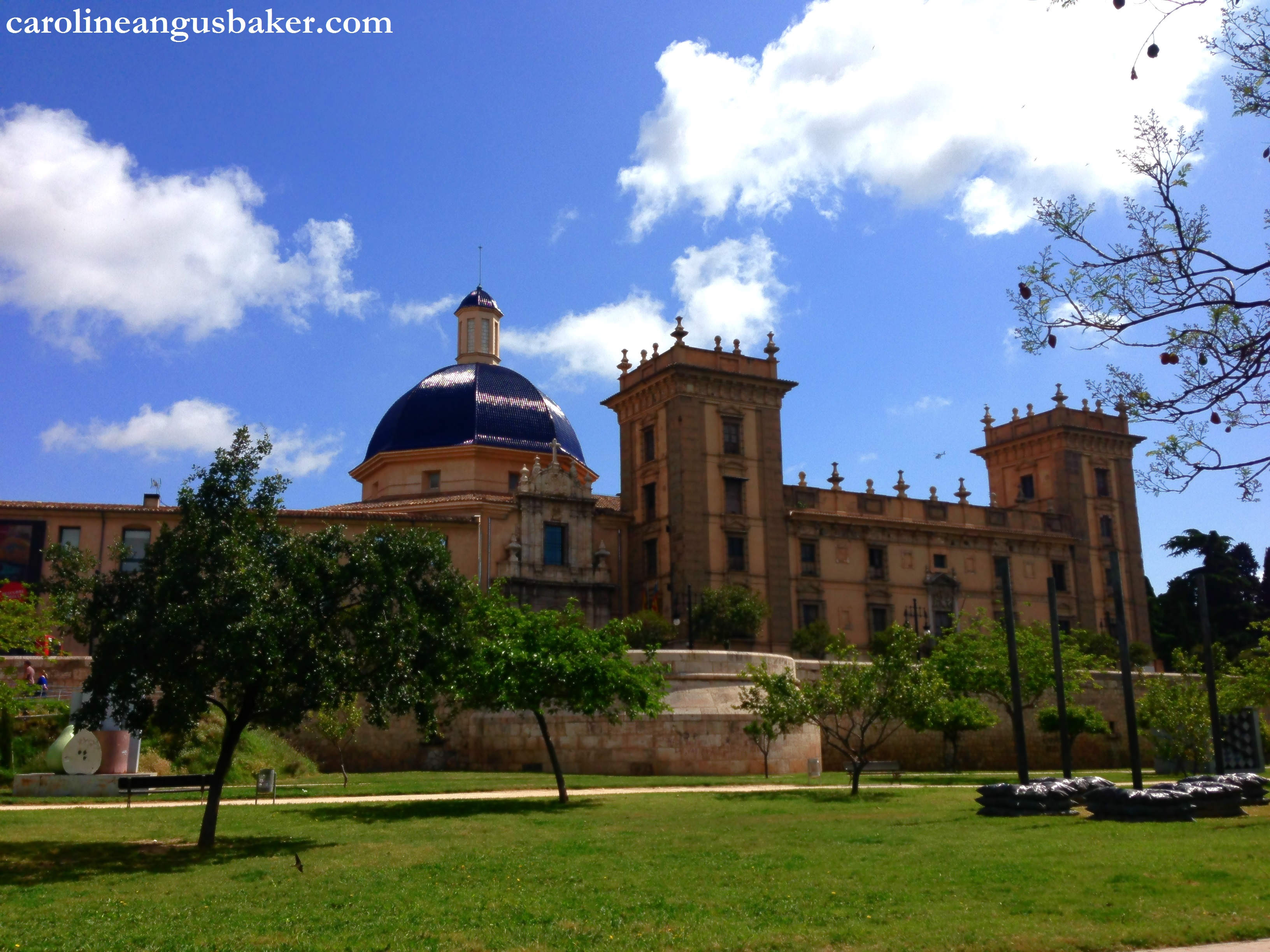
Museo de Bellas Artes de Valencia, the Valencia Art Museum just over the Pont de la Trinitat, is a great spot to visit, and gorgeous. Go for the art, but stay for the beauty.

9 – Something new is always available to try

Whether it’s a tall glass of Horchata, a taller glass of Agua de Valencia, or a pincho (whose ingredients you can’t quite decipher, but it tastes good, so roll with it), the menus in Valencia will always have something for a new visitor, or someone who has been to the city before. Warning, they are plenty of bad paellas around, as with anything, but there are many fine ones as well. There is no need to find some upmarket place, because you need to make your way to many places in order to decide for yourself what is best.

I have been pretty much everywhere in Valencia (I have a propensity to wander), however fun sights can crop up anywhere. The streets of Valencia still have sights to behold, whether you are new to them or not. When in Valencia, whether it’s food, sights or ambiance, you can make your own fun. There isn’t a set list in order to find enjoyment. The city allows freedom to enjoy Spain.

IMG_2884

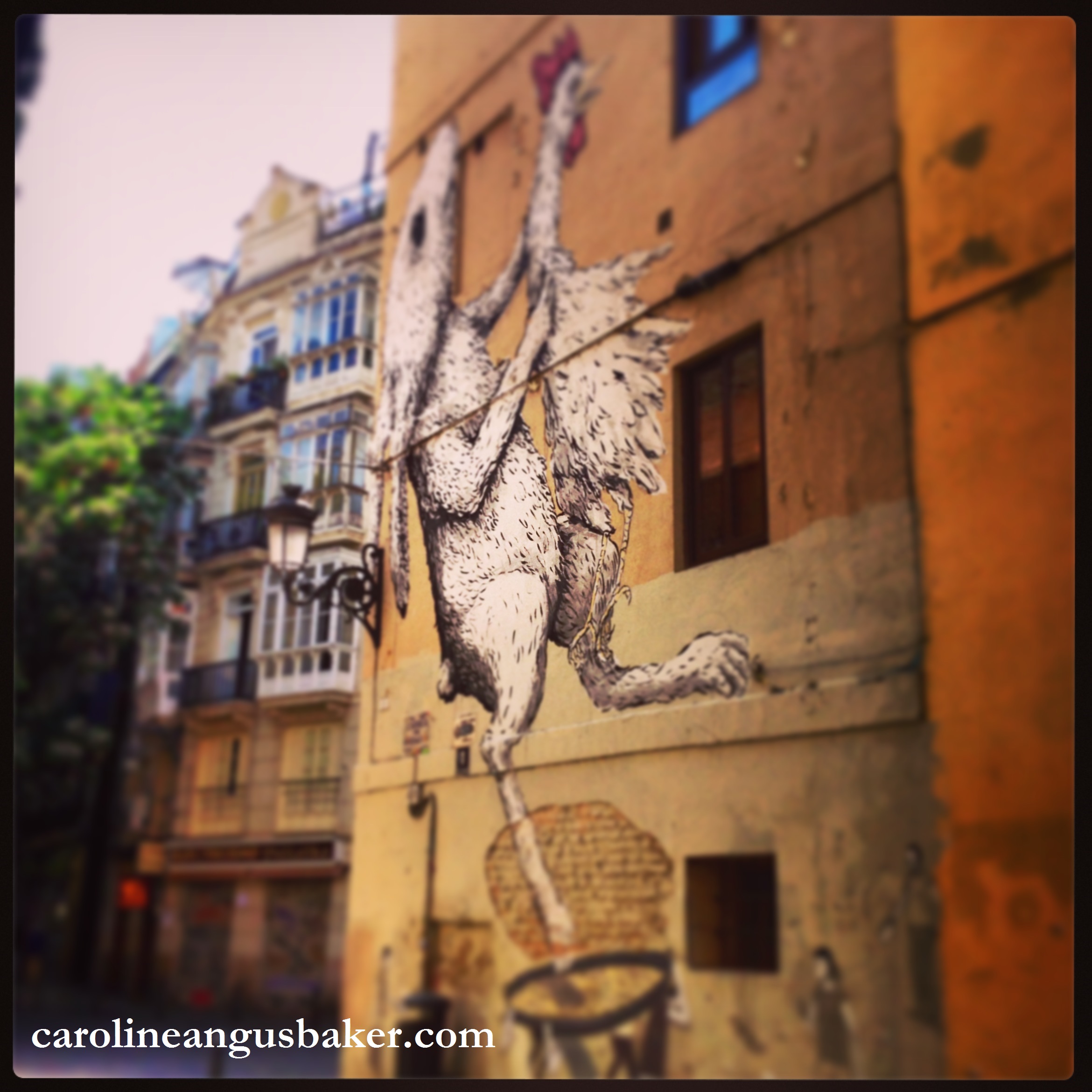
The rabbit catches the chicken… now get in that paella. I’ve seen photos of this particular random street art, but never in the flesh. I found it by accident. Just one of the fun things about wandering Valencia

10 – It’s a great place to stage a novel trilogy about Spain’s past

Valencia is a terrific backdrop for novels about Spain. I’m certainly not the first to use the city as the central location, but you will find far more books based in bigger cities, or in the south of the country. In terms of novels, Valencia is like an untapped resource. I get many readers who know absolutely nothing about the city, but that’s okay, it’s an easy city to bring to life. It has enough unique features to quickly distinguish it from other locations.

Everything I have written already seems accurate with what I saw on my trip, and all the locations used in the next novel look/feel as I have already conjured up. Just as the city felt desperate in BITVS, it can lend itself being a place of fear in 1957 with a mixture of natural disasters and human greed.

valencia 8

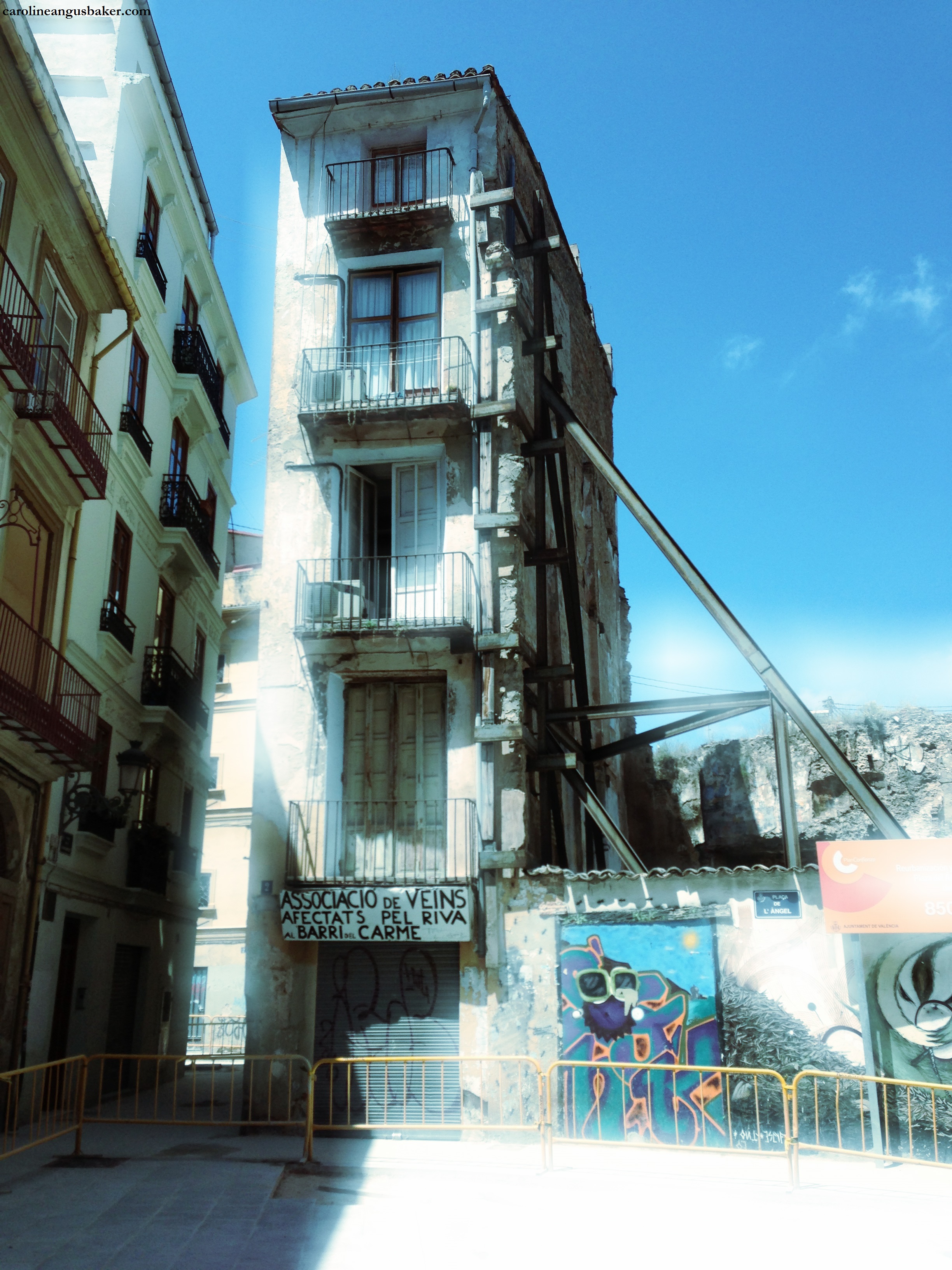
Placa de L’Angel 1 is a location in both 1939 and 2009 in BITVS. I was pleased walk down the little plaza to find they are trying to save this building!

Did I learn anything new in Valencia?

Absolutely. I moved to Valencia with a one-year-old and a newborn. They have fire-red hair, and never could blend in as a local. I learned the city as a mother, as a family. The city is great for families, so much so that I had two more children. However, this trip was solo, and I saw the city differently. I could go out for longer, stay out later, climb more stairs, take more time to read, reflect and absorb. The city is great for the single traveler, but I will always want to enjoy it as a family. The choice is yours.

Up next… Part 3 – The civil war history of Barcelona with Nick Lloyd

Click here for the other parts of this series – Spain 2013 in Review