A LITTLE JAUNT TO SPAIN – REVIEW PART 2: The top ten things I rediscovered about Valencia

VALENCIA

If any city deserved to be announced in capitals, it’s Valencia. I lived in Valencia for roughly three years and I had a whirlwind of a time. I moved away in 2007, on the premise that I would return in three months. However, court cases, immigration and several cases of terminal cancer got in the way and my life once again took shape in New Zealand. Valencia has remained the place I love the most, and I joked that I left my heart there when I moved, so I would need to return. After a long absence, it was time to put that to the test.
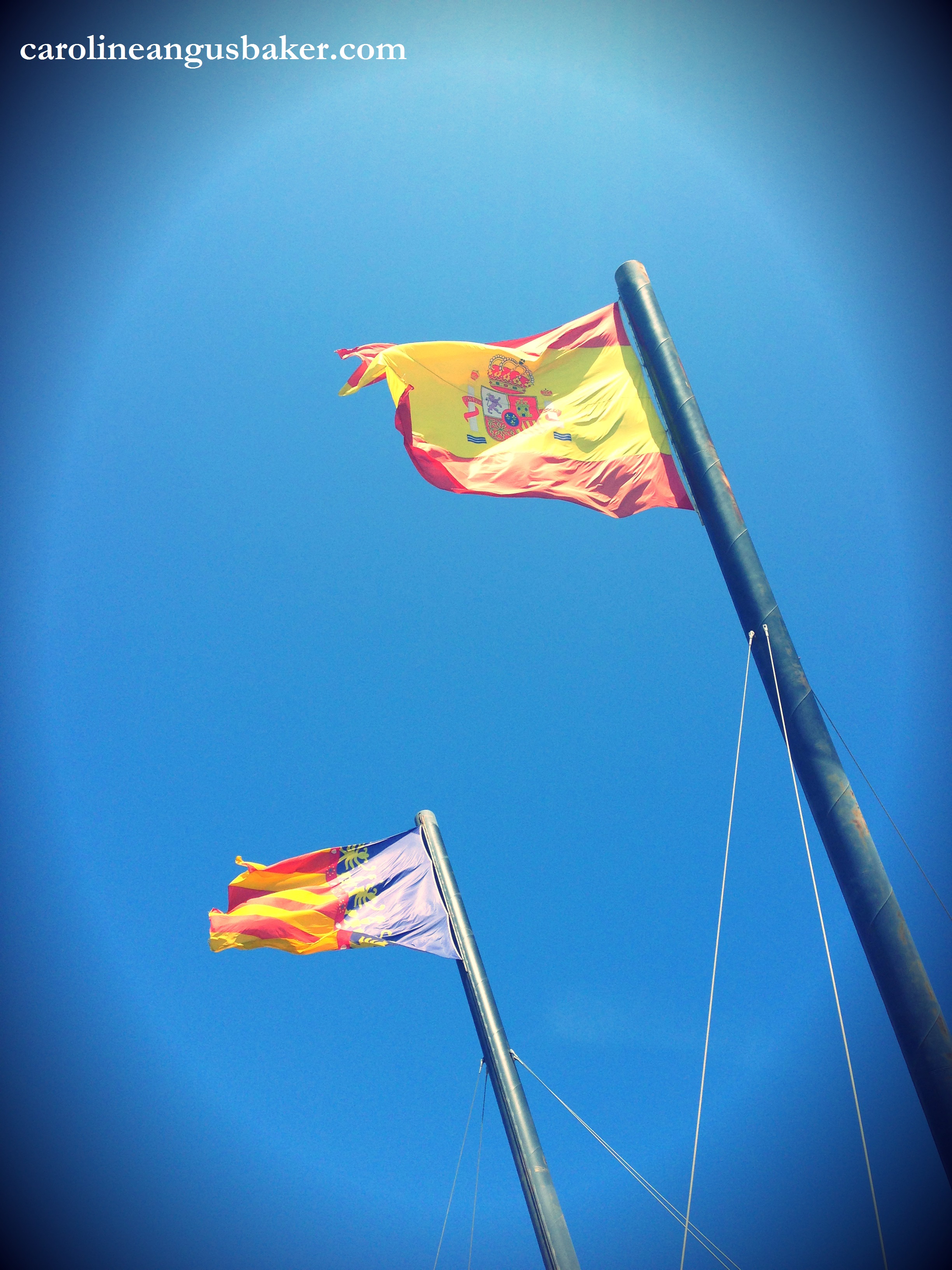
valencia 1

Time to get my Valencia on

I arrived in Valencia by train. The trip from Barcelona felt days long. Despite a successful trip to the Catalonian capital, I wasn’t in a great mood. The three-hour trip was punctuated with stops in forgettable locations, and the rigours of the night before threatened my resolve to stay positive. I arrived my apartment on Calle San Vicente Martir, and met a lovely woman named Inés, whose English was much appreciated, I felt keen to be on holiday again.

When I joked and said I left my heart in Valencia, perhaps I wasn’t joking. I dumped my bags and set off along the streets of the city’s old town, and realised that I absolutely belong in this city. That began six nights and days of enjoying as much Valencia as possible. Who needs sleep? Not me, a few hours after I arrived in V-Town, I found myself in a club deep in the El Carmen district, lost and loving it.

Rather than bore you with a diary of my events, here are the top ten things I rediscovered about Valencia. I knew all of these things, but they stood out to me again on this trip.

In no particular order, and without photos of the same spots as every other site –

1 – PDA’s (Public Displays of Affection) are everywhere

When I started writing the modern day storyline of Blood in the Valencian Soil (BITVS), I set out to write in little details of life in Valencia city. Now, I have seen this in many Spanish cities and towns, but in Valencia it seems to stand out to me. Everywhere, but particularly in the Turia park, they are people kissing. Not just kissing, attempting to suck each other’s faces off. To their credit, the Spanish don’t look like two virgins at their church wedding when they kiss, they have largely sorted the art of good kissing. I have a love/hate relationship with this level of public affection. I love the fact that people feel free enough to sit around kissing (very unlike where I live), and I hate it because I’m not the one doing the kissing! I remember on a number of occasions, when living in Valencia, when asked what I would like to do on an evening out, I replied, “Let’s go and make out in the park. That’s what all the kids are doing these days”. If you have a companion while in Valencia, or happen upon one, I recommend kissing in the park. The other week, I saw a couple farewelling one another. I was lying in the grass, listening to some Pablo Alborán, when I heard a bang nearby. This couple, in their lust for one another, had both dropped their bikes in a heap while he swept her into his arms for a very long smooch. I screwed my face up – with jealousy. I think kissing is highly underrated, but Valencia’s Turia celebrates this somewhat lost art.

valencia 11

Anyone fancy a kiss near my favourite part of the park?

2 – It’s so easy to get around the city

Pull out your map of Valencia. You feel mind-blown by the amount of things to do. There’s the old town, the El Carmen, Ruzafa, the Turia (which has the Bioparc zoo and the Arts and Sciences at opposite ends of each other!), and you can’t miss a chance to go to Malvarrosa. Sure, if you want to explore Plaza de la Virgen and Plaza de la Reina, they are nearby each other, but you may feel like you are going to have to miss out the further flung attractions.

Oh, no you don’t! The beauty of Valencia is that everything is within walking distance, and you don’t have to enjoy marathons to sight-see on foot. Even if you don’t want to walk, there is the excellent bus and Metro services. Valencia is beautifully packed. Want to try the markets ofMercado Central, Mercado Colón and Mercado Ruzafa in the same day? Of course you can! Want to eat paella at the beach, but also visit the Arts and Sciences complex? Do both! Want to wander all the historical sights of the old town? You can do all of that in a day, and enjoy plenty of meals, beverages and ambiance. It’s nigh impossible to get lost in Valencia, despite it’s narrow intricate streets of the inner area. If all else fails, you will eventually pop out on what got nicknamed ‘the ring road’, the road that winds along the edge of the park, and around Carrer Guillem de Castro/Xativa/Colón. This circle of roads encompasses the oldest part of the city, and what could be considered the most complicated area to navigate, but also home to the largest concentration of sights. No matter where you get lost, you’ll pop out on the main road and can dive back in somewhere for more fun. In six days, I did every sight in the whole city, plus day trips outside the city, and multiple afternoons of mucking around relaxing. You will never want to leave Valencia, but if you are time-poor, you can still be attraction-rich.
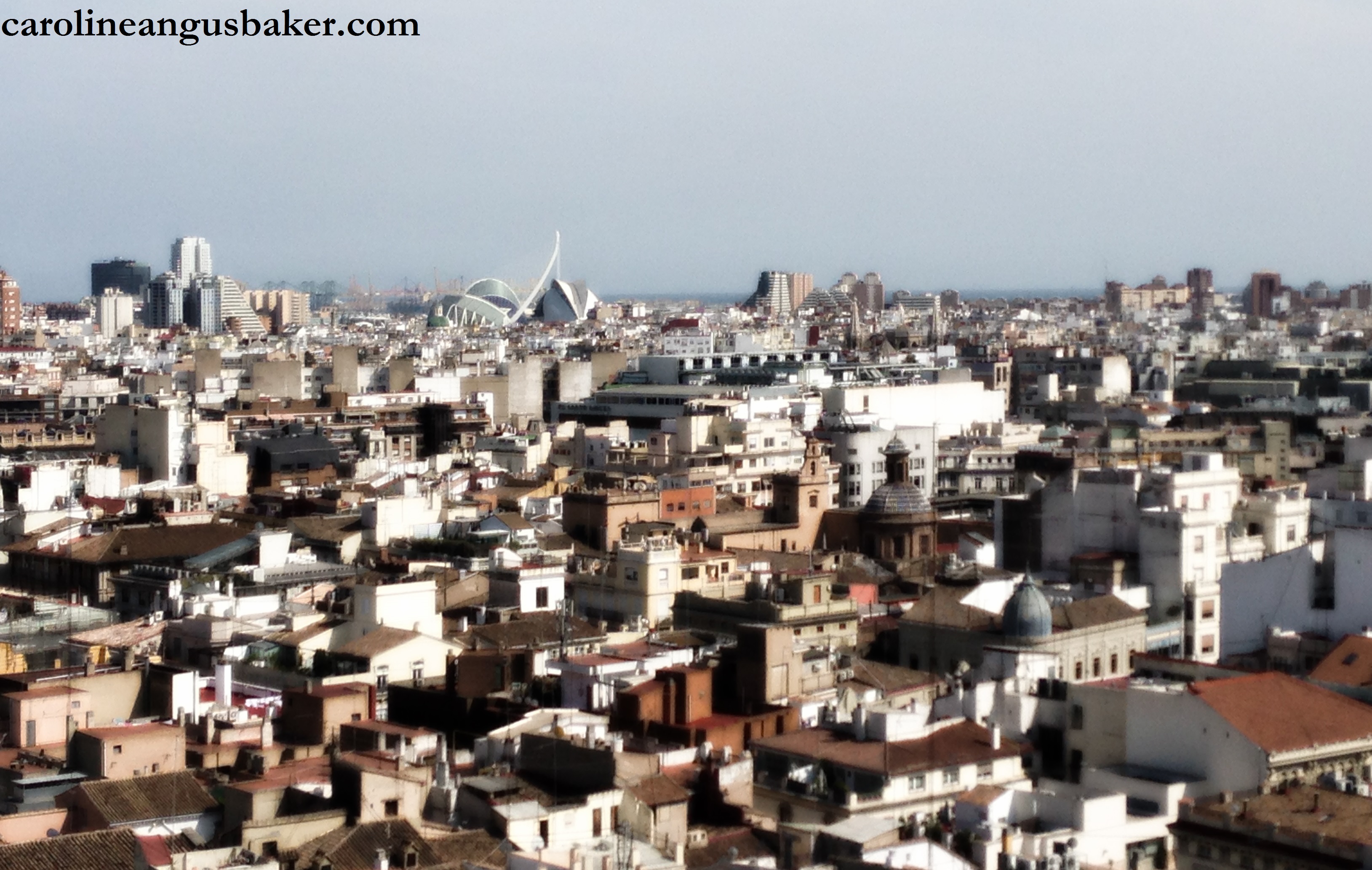
valencia 15

There is a lot to see, so get out there!

3 – Valencia has its very own vibe

“It’s the vibe of the thing”. Classic line from an excellent Australian film. It’s relevant here in Valencia. The city definitely has its own vibe. Valencia is like Spain’s youngest child. Madrid has the feeling of being the oldest child – there is a reserved obligation, a feeling of needing to be in charge, needing to set an example. Barcelona is the middle-child, too flamboyant to be forgotten, but feels the need to show off for attention. Valencia is the baby of the family, and while the other cities came of age, Valencia was still running between the adults in search of fun. Now, Valencia doesn’t need guidance, or to try to measure up to its counterparts. It may be Spain’s third largest city, but there is no conformity in its way of life. Valencia is alive with its own traditions, language, food and attitude. Valencia feels like its inhabitants are on regular alert for a good time. The city, like the nation, may be in times of hardship, however, the joy of life remains.
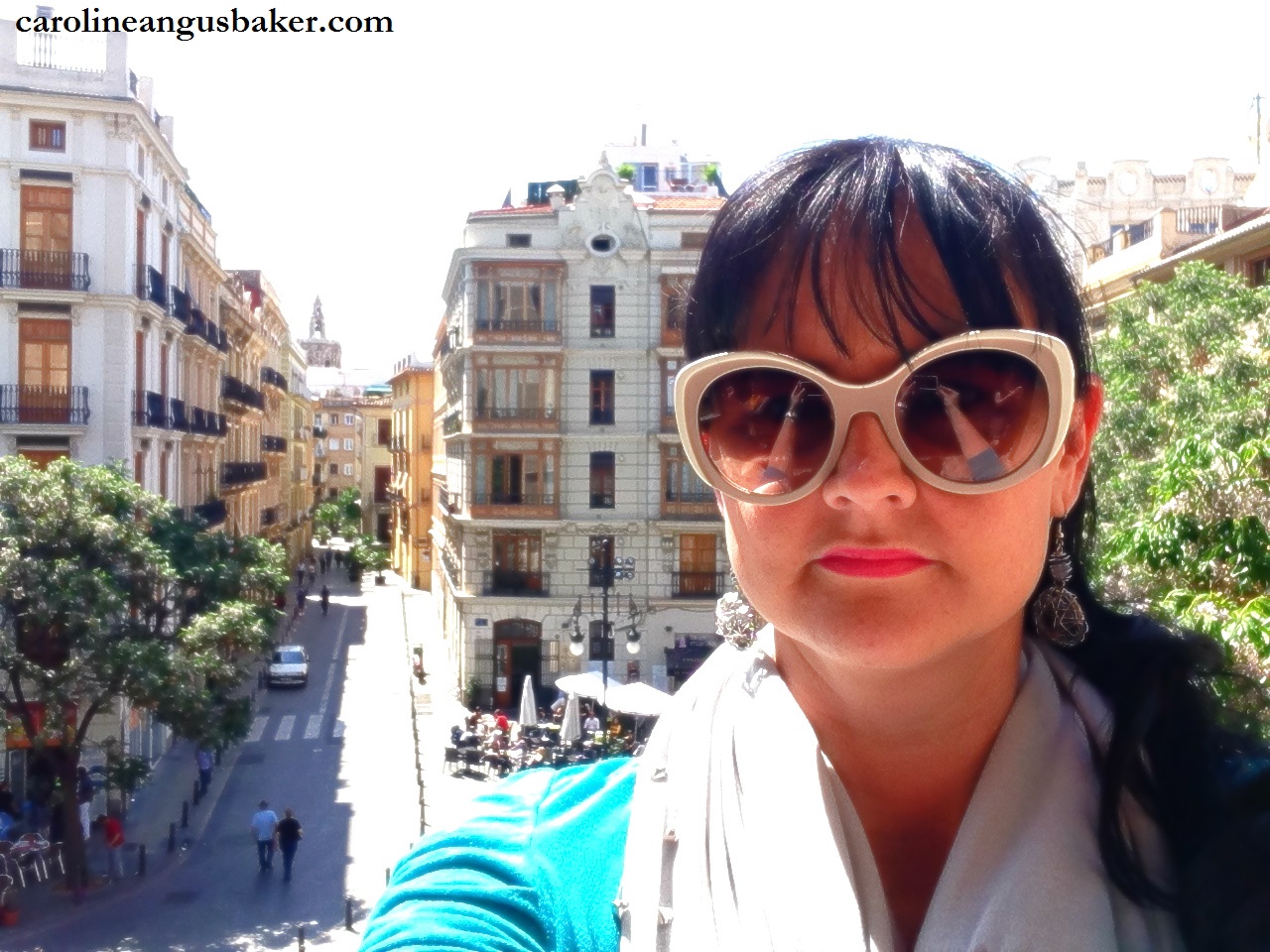
valencia 7

You would never know an anti-austerity protest in directly beneath me, would you?

4 – You don’t need to know Valencia’s history – you’re living in it

When Valencia sighs, it doesn’t just let out the stress of the day. It heaves with the weight of all that has gone on. This is a great thing! Granted, most who visit the city don’t know the great detail of this spirited city. For a history nerd like me, I jump up and down with excitement. The interesting thing about Spain is (and I spent many an evening talking about this over drinks) that the country is how it is for a number of reasons. The people are the way they are for specific reasons. This all relates to Spain recent (ie. 20th century) past. Spain is a deeply complex country, and history’s events have plunged in a knife into each city and town differently. For example, the horrors many cities suffered in the civil war are very different. Valencia was never at the front line of the war (aerial bombings aside), but when the city fell at the end of the war, the last point to be captured by Franco’s rebel troops, it fell hard. (BITVS can give you a easy-to-digest concept of this if you are interested. My fiction doesn’t get to stuck on little details, so as not to weigh down the narrative. Good if you don’t want to be a history buff) Also, for me, the disastrous story of Valencia’s 1957 flood still has hints around the city. While researching the subject for my next novel, the locations in the book are largely the same as they are today. I can walk around corners, my hand on the stone buildings, and be able to visualise the flood water level, which is marked in some locations. Valencia has a soul, and if you wander off the cruise-ship tourist trail, you can hear it speak.
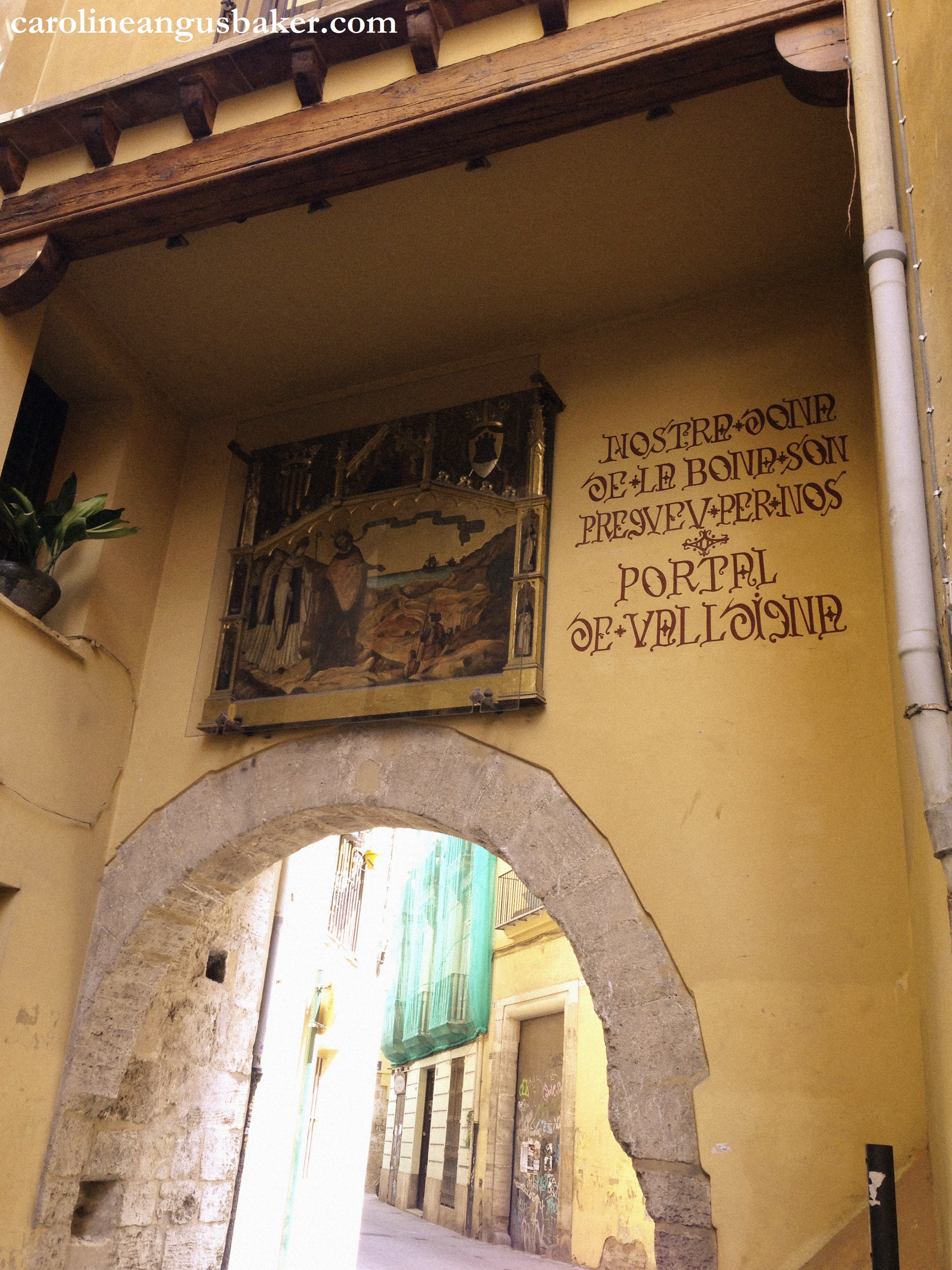
valencia 3

The Portal de Valldigna, the old entrance to the Arab quarter of the city in 1400. My next novel, Vengeance in the Valencian Water, has a scene here. Standing there with the place to myself, gave me a chance to finalise details for a gruesome scene.

5 – The city knows who it is, but the future is still wide open

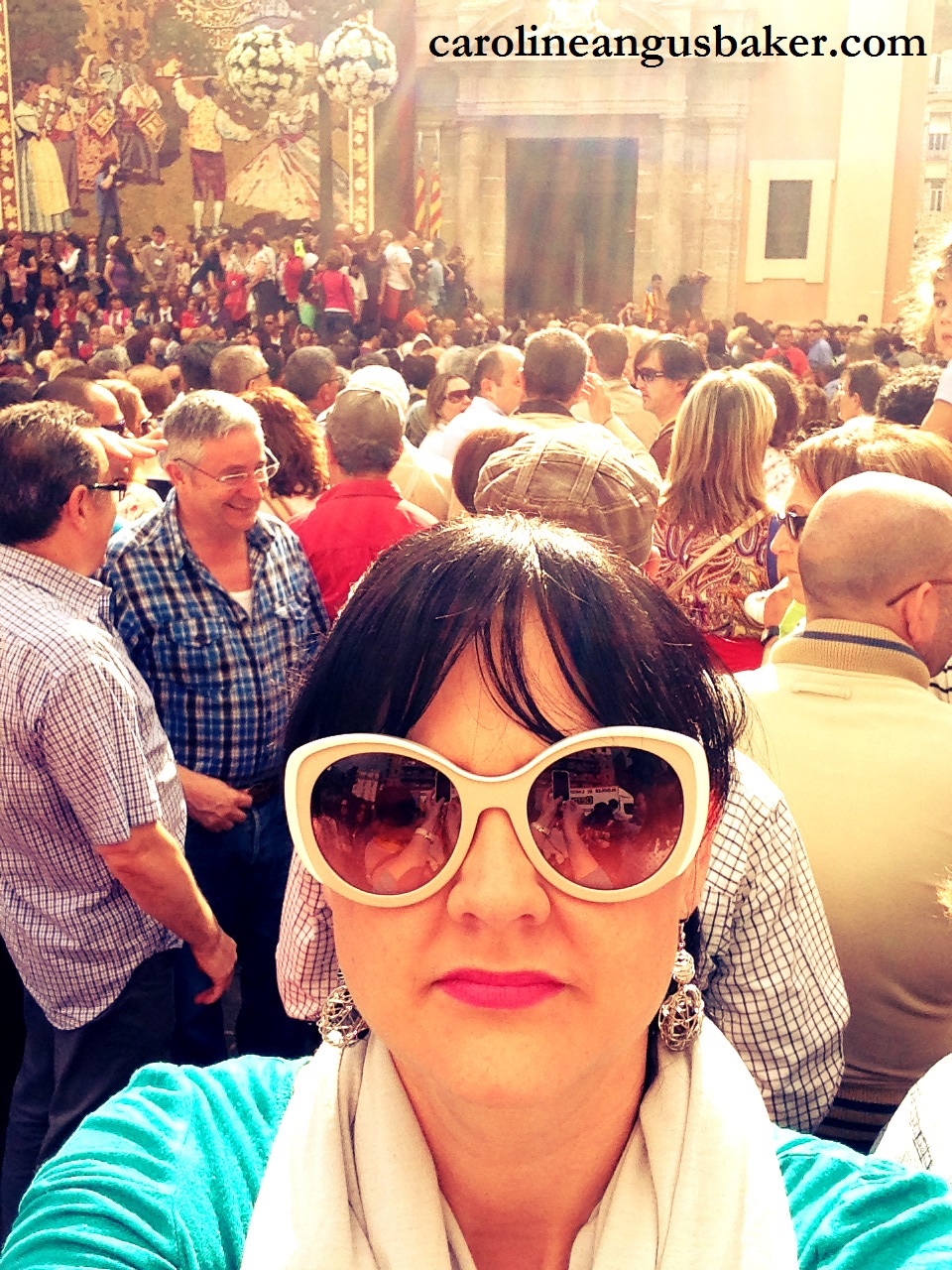
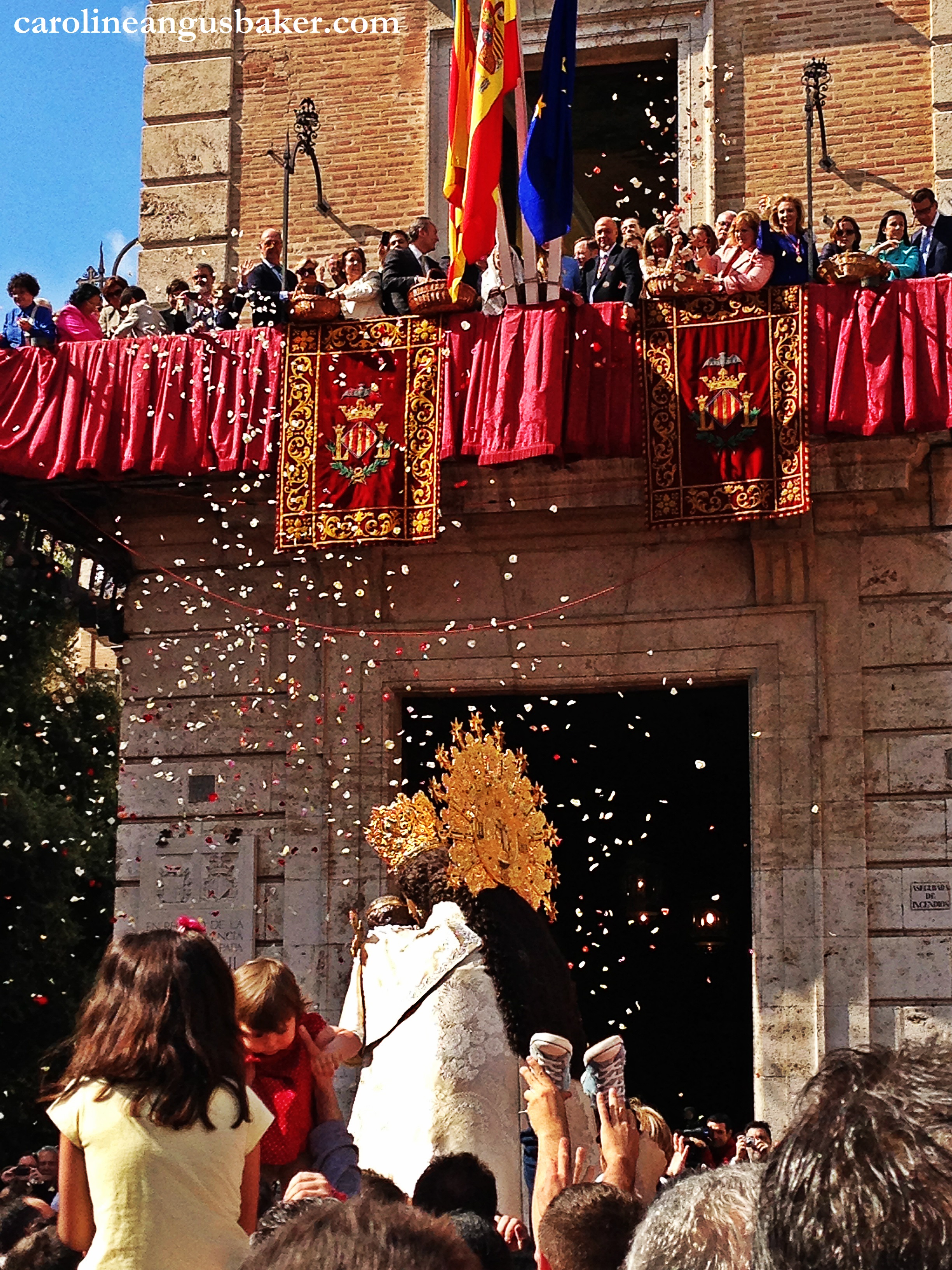
In my eagerness to celebrate San Isidro in Madrid, I forgot to check the fiesta timetable for Valencia. What do you know? Second Sunday of May is the procession Virgen de los Desamparados. The Virgin of the helpless/forsaken, who is much-loved in V-Town, is pulled out of the Basilica, where she lives, and carried to the city’s cathedral. It’s around 200 metres. Piece of cake. Not. The original statue dates from around the 15th century, so she stays at home, and a replica is paraded through the thousands of people who want to see her. Touching the statue is a big deal, you get a year of grace if you touch her. People hurl their babies at this thing, who cry in panic. I stood in attendance and watched with amusement as people cheered “Long live the mother of God” (Correct me if I’m wrong there).  Was this the end? Lord no. The night before had been full of processions and prayer, and the rest of the day followed suit. Valencia has many such days in its calendar, and they are regularly attended, despite being hundreds of years old, and surely enlightenment has opened people’s minds to the world. No matter, from rugby-throwing your baby at a replica statue, to burning down the city at Fallas, and everything else the year holds, Valencia loves its traditions.

In saying that, Valencia, like its Spanish counterparts elsewhere, has suffered upheaval. Apart from anti-austerity, Valencia’s current main beef with the scum-filled right-wing government is the cuts to education. Indeed, what becomes of the generation of children in school right now? Those a decade older than them are suffering at the beginning of their lives. Everyone is hurting. Valencia has a difficult future ahead. I realise this is irrelevant information for your average tourist, but not to me.
valencia 4

Valencia’s ghastly mayor, Rita Barberá, throws petals at the Virgen while people toss forth their kids. It’s all smiles on the balcony for the rich, not so much for people on the ground

6 – It’s all about the people

Yes – Valencia has it all – the abundant good weather, the first-class food, the luxury of the Turia, history, language, shopping, sexy policemen in tight pants (note – may be limited to the guy I saw in Plaza de la Reina), but the people make the city. I feel this way about any place. Something can be beautiful, but if the people are assholes, the trip is ruined. There are a few assholes in V-Town, like anywhere, but for me, the moments where I met with people in the city, old friends and new, they were the best parts of the trip. Who would have thought I would have watched a group of ex-pats try to lay out a portable cricket pitch in the baseball diamond in the Turia? It’s the more out-of-the-way things that make a trip for me. You can only take so much sightseeing and tapas. People make the difference.

valencia 9

Graham Hunt and myself pose for a shameless selfie to post on the WABAS FB page. Nicest guy in Valencia, no question. 

7 – It’s possible to be a local and a tourist at the same time

How? I will tell you. Shoes. You can tell a tourist by their shoes. They are wearing comfortable walking shoes. Please, go and buy something pretty and inappropriate, and you will blend in.

I’m kidding. The number of tourists has remarkably increased since I last visited Valencia. It’s a double-edged sword; the city needs to survive and cruise-ships pouring in mostly middle-aged punters, or hordes of Japanese tourists boosts the economy. They follow marked routes through Valencia’s main points, and in theory, spend their money. This is new to me, and I wondered what the city will look like in another five years. Perhaps like Barcelona, who seems to have sold itself to tourism? I hope not. The risk is there in Valencia right now. You can follow the main sights of the city, and they should be seen. They are popular for a reason.

However, wander a few streets away and you can feel the buzz of Valencia life again. Tourism hasn’t swallowed up Valencia’s spirit. You can sit and eat like a local, talk like a local (or at least try) and get a feel for the place. Cast off the oversized lens, the guidebook and the comfortable shoes, and get to know the place. You will be glad you did. My happiest moments were found in total solitude, just living life, and not sightseeing in Valencia.

valencia 21

Valencia bullring. As a woman aged 32, with no male companion, it was impossible to blend in. I needed to be male, over 60 and smoke a stinking great cigar to fit in. The guy next to me kept calling me Nueva Zelanda and every time a bull got stabbed/killed, he would remark “Nueva Zelanda sigue siendo tranquila. New Zealand remains calm.” He seemed rather surprised. Dude, I know my shit.

8 – You don’t suffer cathedral fatigue

Cathedral fatigue – I suffer it. I have long lost count of the number of Spanish cathedrals/churches/basilicas I have visited. I am not religious, so the places don’t hold significance (though the one I entered with Nick Lloyd in Barcelona was amazing – another post). I have seen some big churches – Valencia, Madrid, Barcelona, Segovia, Cuenca, Toledo, Seville, Granada, Cordoba, Xativa, Avila, Burgos to name a few locations. Valencia Cathedral is still the best of them all. Not for anything in particular, though it houses THE Holy Grail and the views from the bell tower are eye-watering. I guess it’s just the Valencia vibe that makes it special. Between the cathedral and the Basilica (home to the above Virgin statue), you will be left feeling like you’ve seen a great sight, not trudged through another church that reeks of the church’s former power over the population.

There are plenty of old-world attractions that aren’t churches, like the La Lonja, the Torres de Serranos and Torres de Quart, the streets of the El Carmen area, the town hall and the post office in Plaza Ayuntamiento, and the train station and bullring. Valencia has unique sights to see.
valencia 2

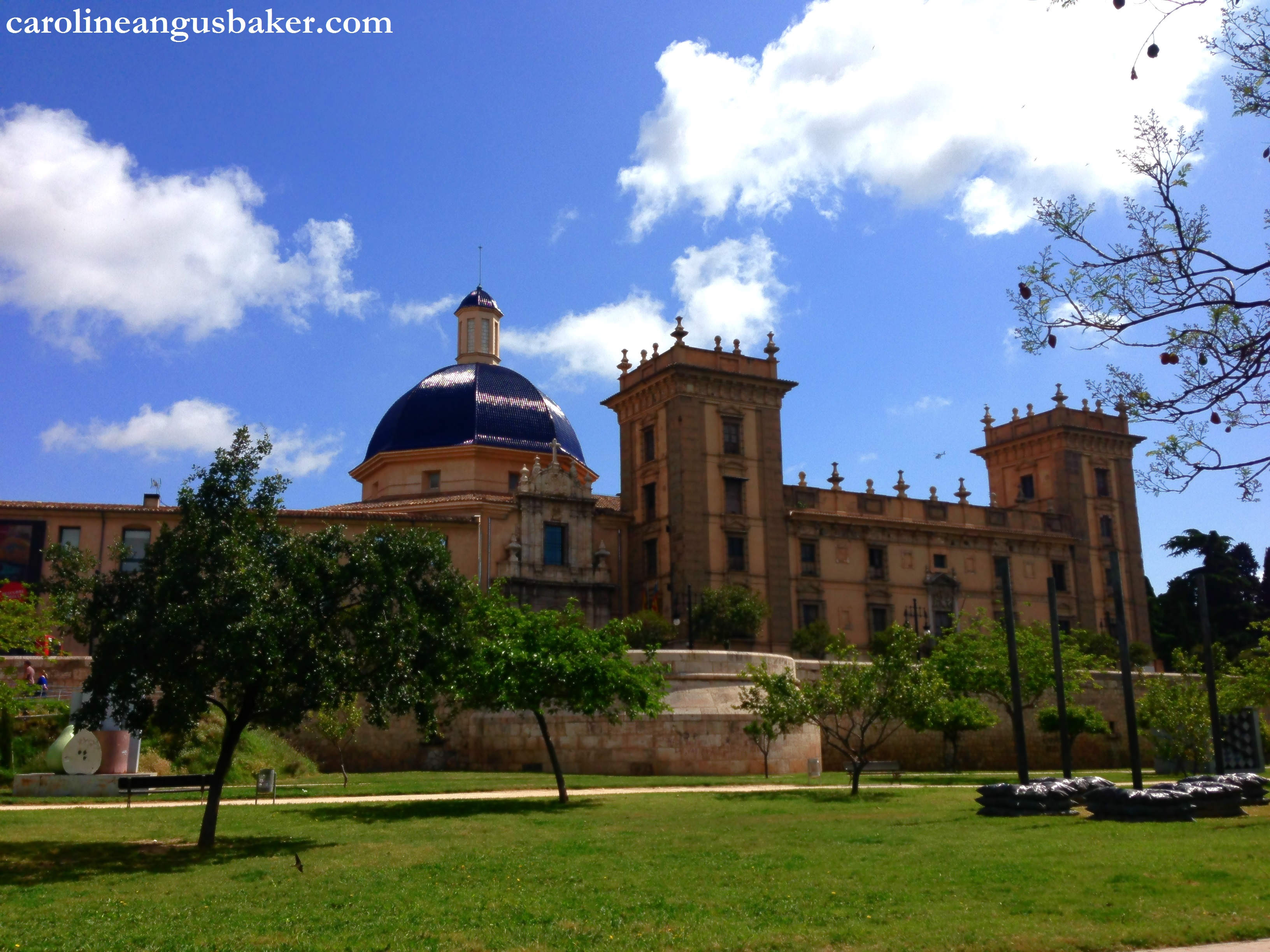
Museo de Bellas Artes de Valencia, the Valencia Art Museum just over the Pont de la Trinitat, is a great spot to visit, and gorgeous. Go for the art, but stay for the beauty.

9 – Something new is always available to try

Whether it’s a tall glass of Horchata, a taller glass of Agua de Valencia, or a pincho (whose ingredients you can’t quite decipher, but it tastes good, so roll with it), the menus in Valencia will always have something for a new visitor, or someone who has been to the city before. Warning, they are plenty of bad paellas around, as with anything, but there are many fine ones as well. There is no need to find some upmarket place, because you need to make your way to many places in order to decide for yourself what is best.

I have been pretty much everywhere in Valencia (I have a propensity to wander), however fun sights can crop up anywhere. The streets of Valencia still have sights to behold, whether you are new to them or not. When in Valencia, whether it’s food, sights or ambiance, you can make your own fun. There isn’t a set list in order to find enjoyment. The city allows freedom to enjoy Spain.
IMG_2884

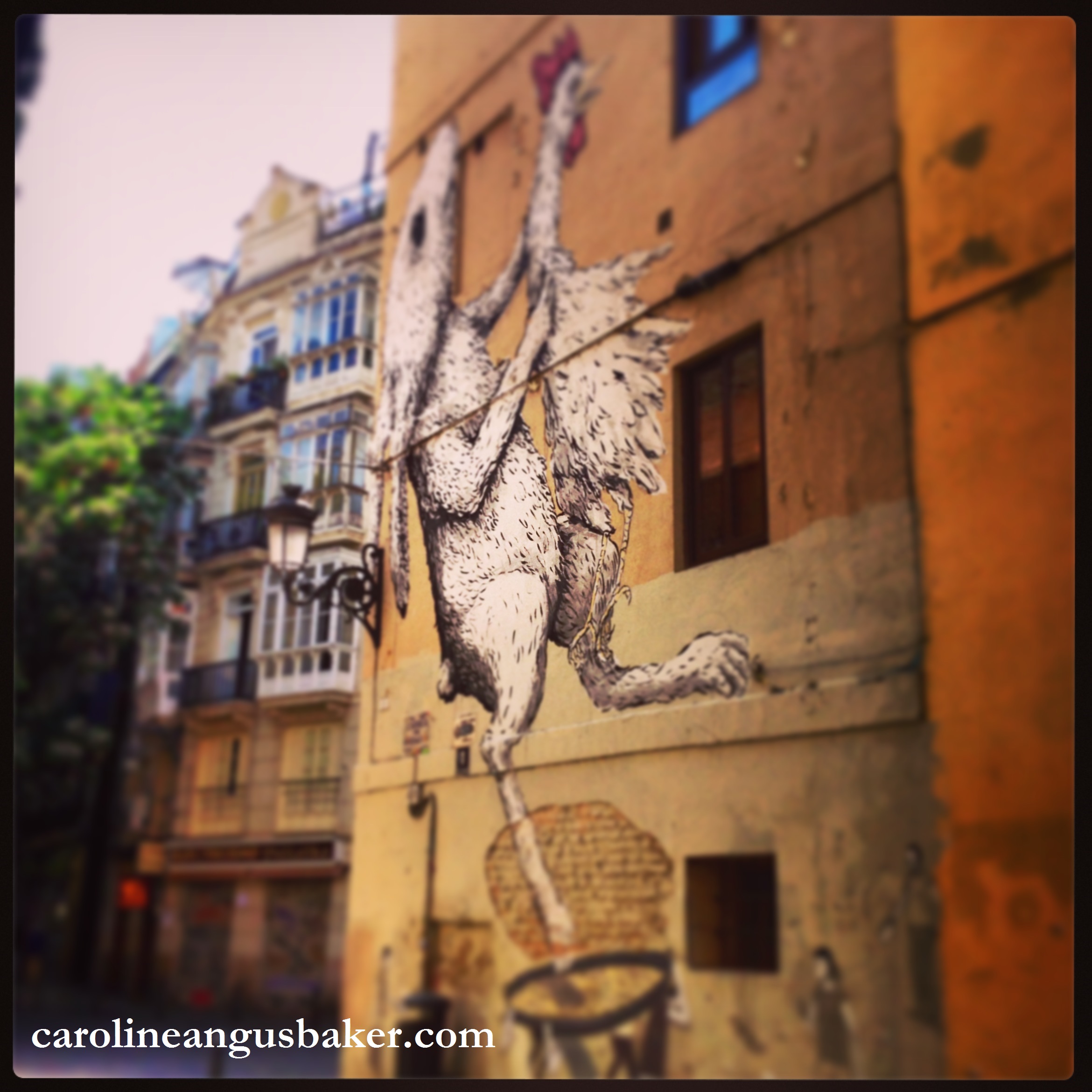
The rabbit catches the chicken… now get in that paella. I’ve seen photos of this particular random street art, but never in the flesh. I found it by accident. Just one of the fun things about wandering Valencia

10 – It’s a great place to stage a novel trilogy about Spain’s past

Valencia is a terrific backdrop for novels about Spain. I’m certainly not the first to use the city as the central location, but you will find far more books based in bigger cities, or in the south of the country. In terms of novels, Valencia is like an untapped resource. I get many readers who know absolutely nothing about the city, but that’s okay, it’s an easy city to bring to life. It has enough unique features to quickly distinguish it from other locations.

Everything I have written already seems accurate with what I saw on my trip, and all the locations used in the next novel look/feel as I have already conjured up. Just as the city felt desperate in BITVS, it can lend itself being a place of fear in 1957 with a mixture of natural disasters and human greed.
valencia 8

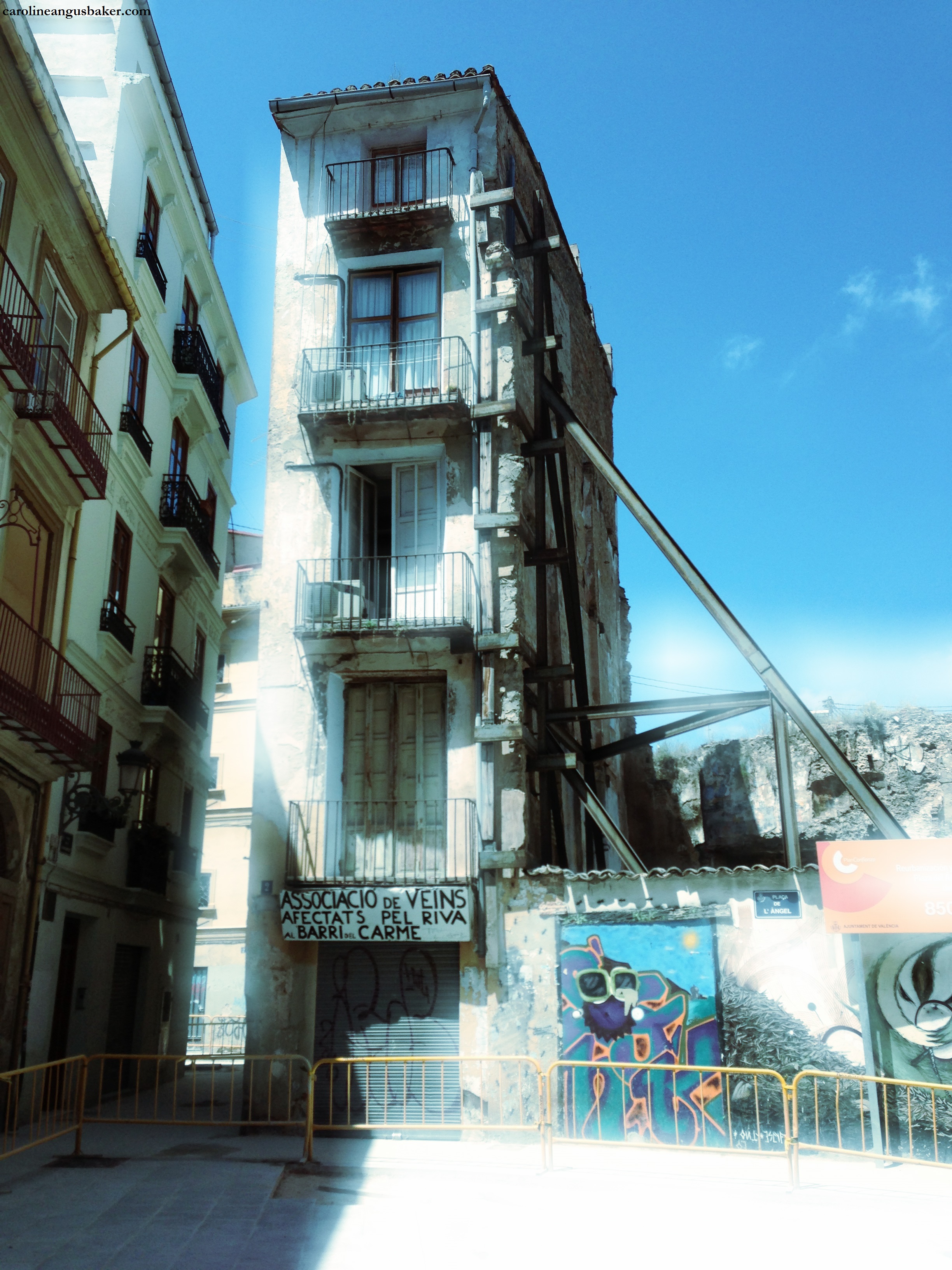
Placa de L’Angel 1 is a location in both 1939 and 2009 in BITVS. I was pleased walk down the little plaza to find they are trying to save this building!

Did I learn anything new in Valencia?

Absolutely. I moved to Valencia with a one-year-old and a newborn. They have fire-red hair, and never could blend in as a local. I learned the city as a mother, as a family. The city is great for families, so much so that I had two more children. However, this trip was solo, and I saw the city differently. I could go out for longer, stay out later, climb more stairs, take more time to read, reflect and absorb. The city is great for the single traveler, but I will always want to enjoy it as a family. The choice is yours.

Up next… Part 3 – The civil war history of Barcelona with Nick Lloyd

Click here for the other parts of this series – Spain 2013 in Review

A LITTLE JAUNT TO SPAIN – REVIEW PART 1: High and Lows of Spain

IMG_2400

Hello! I’m back from my two weeks in Spain. If you were following my public twitter account, you probably got an idea of what I’ve been up to these last sixteen days. It was my first time in Spain as a tourist, I have only ever been to Spain while living there in the past. I have plenty to share, including-

The top ten things I rediscovered about Valencia

The civil war history of Barcelona with Nick Lloyd

On the road with Blood in the Valencian Soil

Tapas and History Tour with James Blick

Bullfighting – Valencia vs. Madrid

Valle de los Caídos: Spain’s most terrifying location

Learning to be a tourist in Spain

Teruel: Spain’s hidden interior

Ávila, Segovia, Cuenca and Toledo: Small towns, big charms

But first, here is a quick round-up of Spain for me in 2013 (in no particular order) –

Highlight of the trip was walking through Valencia’s Turia. I did this every day, but the night before I left, I wandered the park from the Arts and Sciences complex to the Torre de Serranos and it was magical in the late afternoon sunshine. Every city needs a space like the Turia.

book park

BITVS goes to the Turia

Worst moment of the trip was getting caught in the tour group bustle of Toledo. The place was filled with mindless drones, all walking along, looking at the same few things, one after another. They don’t even go to the Alcazar. Sure, it’s rebuilt, but anyone with half an interest in Spain will know of the bloody war battle that occurred there. It’s a must-see spot.

Biggest surprise in Spain was the level of English spoken. Okay, I’ve been gone nearly six years, but the way people speak has really changed. I also discovered that my Spanish isn’t as bad as I thought.

Xativa

English pamphlet in Xativa

Most exceeding of expectations was definitely Madrid. I put this down to the people, despite their reserved nature. I have been to Madrid before, but I saw the city in a new light. I will elaborate in Madrid’s dedicated blog post. Madrid gave me a new sense of confidence, and was the only city to keep me partying to dawn.

IMG_3527

Me and James in Madrid

Lowest point in the trip was when I arrived in Cuenca. The views looked exactly like the photos and that should have been great; but it wasn’t. I got there and had a sense of being trapped far from the whole world. The town got better as I wandered the place, and the bolt-hole bar we spent the evening in made everything okay again.

Cuenca1

Cuenca’s gorge bridge where you can leave a message of undying love – so I did

Unexpected fun came when I met two men on the trip to Segovia. They were celebrating their engagement by visiting Spain. Combined with a lovely English woman, the trip held more excitement that we expected. The wild asparagus at lunch was divine.

IMG_1955

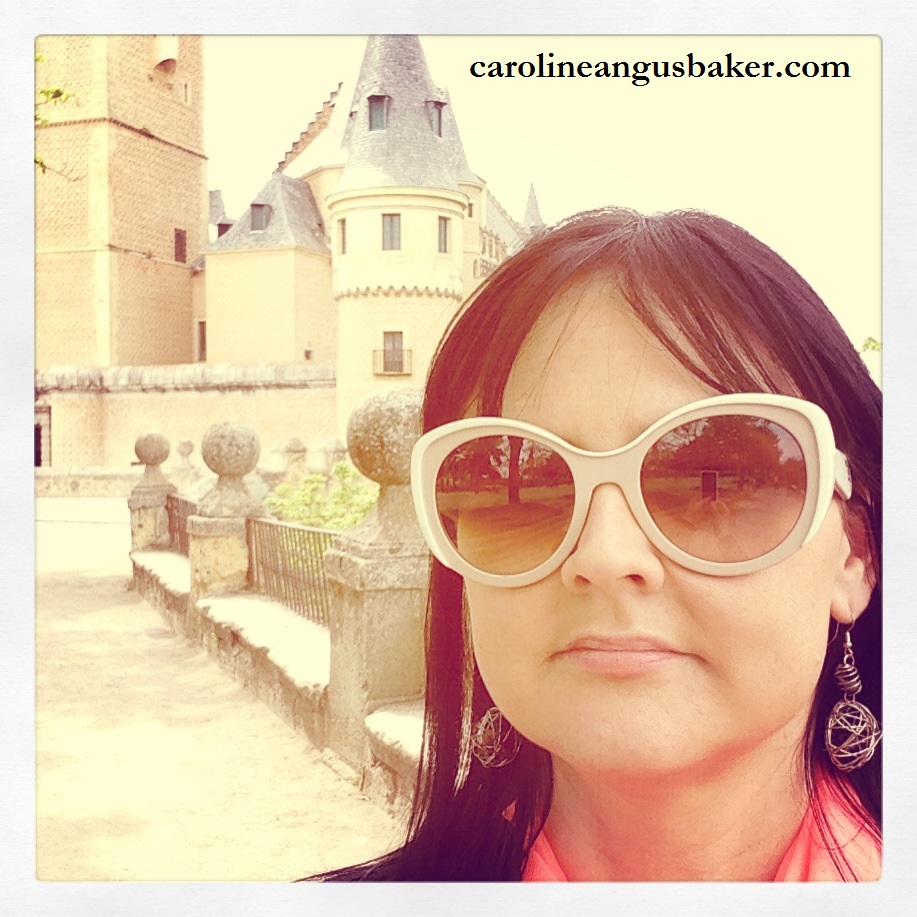
Segovia’s Sleeping Beauty castle

The least surprising thing was the noise level in Valencia. I got more peace on Barcelona’s La Rambla than I did in any location in Valencia. They may have changed the laws on late night noise, but somehow that makes no difference. That doesn’t even count the fiesta going on; regular life is at full volume.

Mixed feelings award went to all the protests going on. I have literally lost count on the number of protests I walked into in Barcelona, Valencia and Madrid. While I admire the Spanish people and their willingness to stand up for their rights, it’s heartbreaking to see what the country is going through.

protesting in Valencia

Protesting outside banks in Valencia

Saddest moment came when I was taking the bus in Valencia. I saw something out the window and thought, ‘I must remember to tell Dad about that’. My father died horrifically last July. I cried alone on a public bus. Not a great moment.

Happiest moment was again in Valencia, when I first arrived in the city. I hadn’t enjoyed the train trip too much and was feeling a bit low. But after finding the rented apartment, I set off in search of the new Mercadona and it occurred to me how well I know the city and instantly welcome I felt. My six-year absence may as well have not existed. I could have partied all night long had I not collapsed of exhaustion at 1am.

Horchata

Iconic horchata in Central Valencia

Most shocking moment is without doubt visiting Valle de los Caídos (Valley of the Fallen) outside Madrid. It is dictator Francisco Franco’s scary tomb, built by slaves and has the largest Christian cross in the world on top (150 metres). No photo can show the expanse or the horror of this place. Not only is a fascist dictator honoured here, but built into the place is 30,000 unnamed Republicans who were murdered, then dug back up and stuffed into the basilica like padding, without consent of their families. There, a man akin to Hitler or Mussolini, is honoured with flowers, fascist salutes and singing children. I’ll do a separate post, but if there was a God, he wouldn’t go near that place.

grave

WTF!?!

Spontaneous enjoyment award goes to driving back to Valencia from Teruel. We jumped off the main road and took the CV310 through the Sierra Calderona. This, of course, is the main spot in the Blood in the Valencian Soil. We climbed a dirt road to listen to the silence of ‘Escondrijo’, Luna Montgomery’s country home, meandered through the hillside towns featured in the book, and stopped for coffee at the Blanquet, the cafe in Náquera, which is central for many readers of In The Hands of Love. It was a full and rewarding day.

Escondrijo

‘Escondrijo’ in the Valencian mountains!

I was unprepared for the cold in Madrid. When I first arrived there, it was warm and cheerful. But the final two days spent in the great city were freezing. It made an Auckland winter look like a tropical paradise. I have only ever visited Madrid in summer (the three months of hell), but its ‘nine months of winter’ really crept back to give me a taste of its power. However, it stopped none of the fun. I stopped at Desigual and bought this coat which a dozen people have already complimented me on.

A really disappointing point came when I visited Montjuïc castle in Barcelona. It is a central point in Spain’s history, both during the civil war and the brutality that proceeded under Franco (plus if you have read Carlos Ruiz Zafon’s The Angel’s Game, it’s a must-see). Many famous names were imprisoned, tortured and murdered within those walls. I walked into this location, and people were sipping coke and having lunch on the same cobbles where violated souls perished. Okay, you could probably say this about lots of places in Europe, but it really struck a cord with me. I took the bus back to the city feeling disappointed.

img_2082

Outside Montjuïc castle

Unexpected neutrality hit during bullfighting. I am not a bullfight hater. I have respect for toreros. Hell, I write about them. I have never endorsed or enjoyed the murder aspect, but when I went to a fight in Valencia, I felt underwhelmed. I’m glad I went, but sitting high above it, you are disconnected with its reality. When sitting against the barrier at Las Ventas in Madrid, it was a whole other story. Let’s say I got everything I ever needed to know about bullfighting. The constant swirl of cigar smoke did not help the ambiance. I can say with confidence that while I will continue to write about toreros, but I have no need to visit again.

IMG_3616

Las Ventas in Madrid

The most weirded out moment came when I visited Valencia’s port area. The darsena, built to house the 2007 America’s Cup, now lies empty. It looks exactly the same, down to the buildings still branded with sailing teams’ names. The old Prada building, once the jewel of the area, has its sail-fabric walls breaking down at record speed. The walls were made of sails built for the 2003 America’s Cup, and were popular and prized. Now, they are peeling away and left to decay. The whole area looks like a time capsule of my former Spanish life, lying discarded like a stripped corpse. Auckland held the Cup before Valencia, and now we have the Viaduct area filled with parks, playgrounds, cafes, bars and hotels. Valencia could have used their space likewise, but haven’t. No wonder the expensive event was so unpopular with the locals.

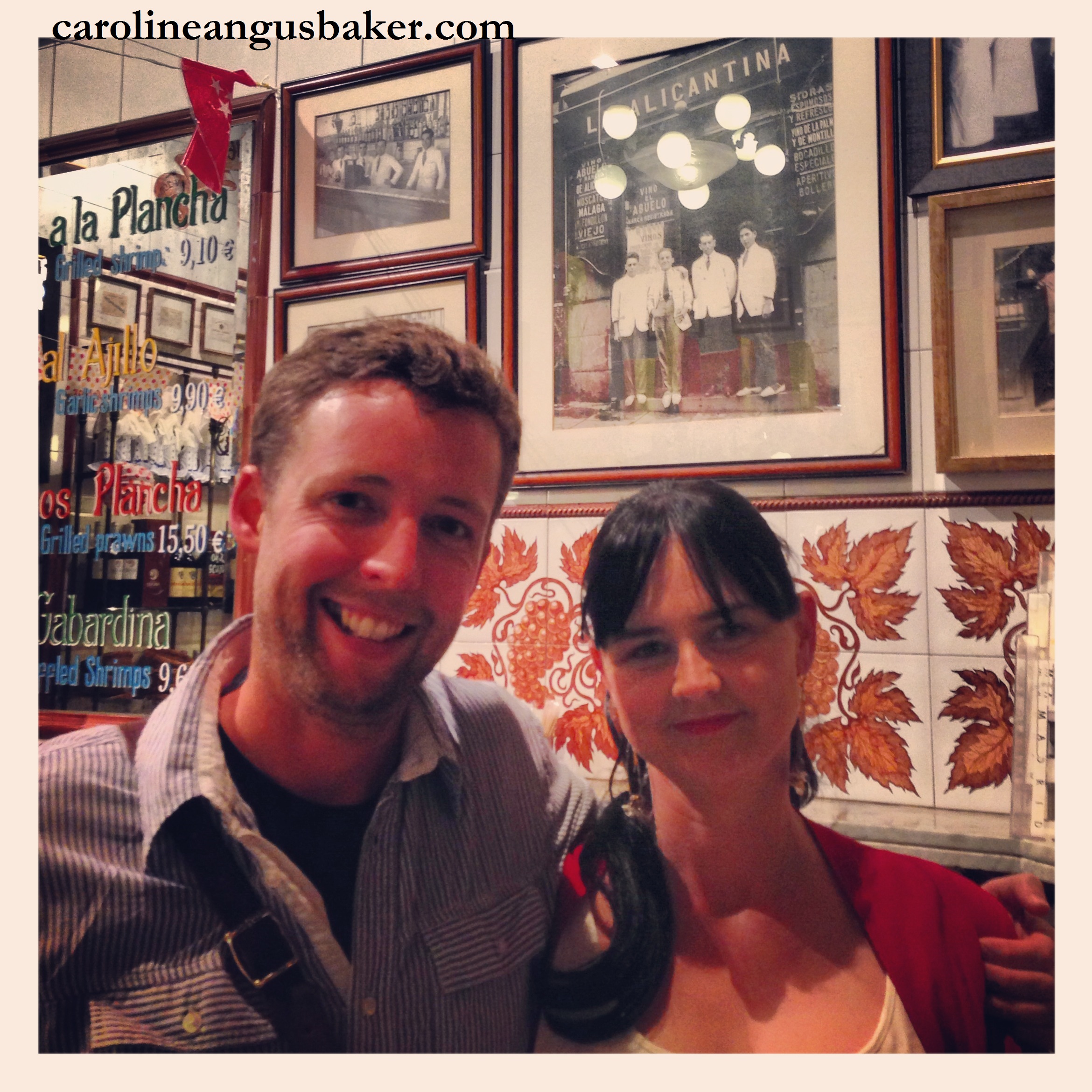
What I learned was that I don’t like to travel alone. I don’t mind it, but fun hit more often when other people were around. I spent many days with my friend Sabine Kern on the trip, and with the involvement of people like Graham Hunt in Valencia, Nick Lloyd in Barcelona and James Blick in Madrid, the trip was greatly enhanced.

IMG_2144

Drinking from the porrón in Barcelona. Check out how good I am!

I underestimated how many people read what I have written about Spain. I constantly ran into people who had read my work and wanted to talk about Spain. People held what I had to say in high regard. I consider myself to be an invisible person; I live my life and no one knows what I write. However, in Spain, people have taken notice.

I felt pleased to know that all the details I have put into my Secrets of Spain series are correct. As I wandered the locations in the last book, and the locales of the next novel, everything is exactly as I expected/wrote/needed. There is no need to rush home and make changes.

It felt disheartening at times when confronted with some Spanish people. It was little things – they don’t hold doors for one another, they push into queues like it’s life or death instead of  a coffee order, and walk around like they are oblivious to one another’s needs or feelings. I can only put this down to big city living. I risk sounding like a real country bumpkin here, but those first few days, as I based myself in Madrid while doing day trips, I got back to my hotel and shook my head in disbelief. I wondered if everyone had frayed nerves at the end of each day. I live in a large congested city, but it feels like luxury island living in comparison to the push and shove of Europe. In fact, I despaired until I hit Valencia and all its good vibes calmed me down.

Sunday

The procession of la Virgen de los Desamparados outside Valencia’s basilica. My face says it all

Number of plane miles travelled: 40,000 kms (yep, I checked that figure) – 50 hours

Number of times I got asked out on a date: 27

Number of nights where I got decent sleep: zero

Number of alcoholic beverages consumed: too many

Number of mornings I had enthusiasm to get up: zero

Number of times I got accosted by someone trying to lure me into a restaurant: 564151* (*not scientifically proven)

Number of new books purchased and stuffed in carry-on luggage: 18

Number of times lost in a city: zero! That includes walking and in the car

Number of Skype calls home: 10 (internet connection didn’t allow for every day)

Number of times I wished I hadn’t done the trip: 4 (2 of them were in-flight)

Number of kisses given/received: approx 100

Number of  shameless selfies taken: 71

Number of times caught singing in public: 9 (including doing a “Locked Out of Heaven” duet with the airport shuttle driver)

BEST MOMENT OF THE TRIP WAS something that made my heart flutter more than it has in some time. I can’t tell you what that was because what happens in Spain, stays in Spain.

breakfast

Gratuitous breakfast photo to finish the post

Next post – The top ten things I rediscovered about Valencia

Click here for the other parts of this series – Spain 2013 in Review

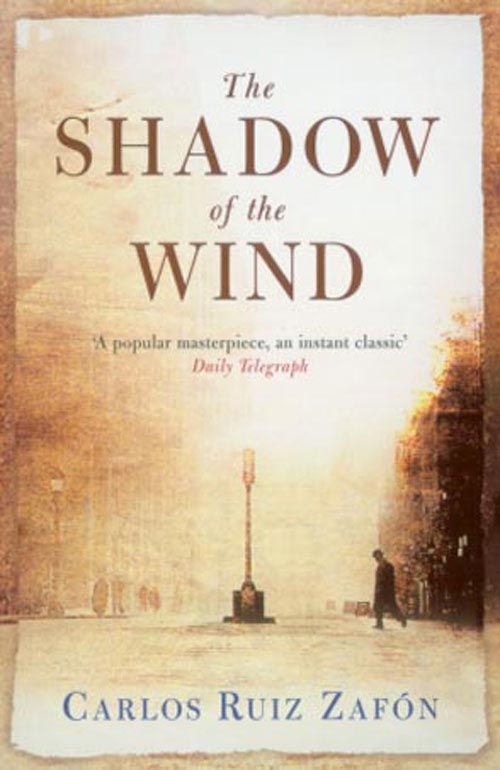
SPAIN BOOK REVIEW: The Shadow of the Wind (La sombra del viento) by Carlos Ruiz Zafón

CRZ

Hidden in the heart of the old city of Barcelona is the ‘Cemetery of Forgotten Books’, a labyrinthine library of obscure and forgotten titles. To this library, a man brings his ten-year-old son, Daniel, one cold morning in 1945. Daniel is allowed to choose one book and from the dusty shelves pulls The Shadow of the Wind by Julián Carax. But as Daniel grows up, several people seem inordinately interested in his find. What begins as a vase of literary curiosity turns into a race find out the truth behind the life and death of  Julián Carax and to save those he left behind.

~~

With this number one bestseller, I will admit that I had high hopes when I finally sat down to read this book. Despite the the fact that the book has been available for several years in English, I only bought the book, along with its companions, The Angel Game and The Prisoner of Heaven, a few months ago. The Shadow of the Wind opens in 1945 in Barcelona, a city whose history I know well, and life under the regime of Franco is of particular interest to me. As soon as you begin to read, you get a feeling of darkness, of a life and time where things are tough, and people are simply getting by, the way they know best. Young Daniel Sempere finds a book, The Shadow of the Wind by Julián Carax, in a secret bookstore which changes his life. His father, a bookstore owner, introduces him to the larger-than-life Don Gustav Barceló, a book lover and buyer, which leads Daniel into a friendship and long-term crush on Barceló’s niece, Clara, a beautiful blind woman ten years his senior. Daniel reads to Clara and comes up with plenty of reasons to spend time with her over several years. At this point, I had to wonder where the storyline was attempting to take me, as the characters, while vivid, were not terribly endearing. I stopped reading at 100 pages and took a long beak.

But then the story beckoned me back. When Daniel is violently booted out of Clara’s life, he stumbles upon the book’s greatest character, Fermín Romero de Torres, a homeless man who comes to work in Daniel’s father’s bookstore. Fermín Romero de Torres, who is regularly identified with his full name, is a tremendous enriching character who always has the right thing (or, at least, the most amusing thing) to say. Daniel remains besotted with the books of Julián Carax, which sold poorly but somehow continued to be published throughout the 1930’s. Carax was shot dead in 1936 at the start of the Spanish Civil War in Barcelona, and all copies of his books have been destroyed, most notably by a fire. Daniel has a remaining copy, and there is a man who is desperate to get it from him, a terrifying stalker with no face, just the charred remains of skin that hangs from his bones. Throughout the book he constantly appears, under a false name, as a gruesome and soulless person who is prepared to hurt people for the sake of novels.

Through a series of well-described and easy to follow investigations, Daniel and Fermín unravel Carax’s short life, in the form of his schoolmates – a group of boys with rich fathers, along with several downtrodden boys who have managed to get into a well-to-do school. Each of these boys go about intertwining themselves in each other’s lives, and a vendetta is placed over Carax when he falls in love with his friend’s sister, to the disgust of another schoolboy friend, who is a vile and vicious individual named Francisco Javier Fumero. Fumero is a real villain, first a troubled boy, then a double-crossing spy and killer in the civil war, and now a policeman in search of violence and revenge on none other than Daniel’s friend, Fermín Romero de Torres. Daniel and the dead Carax’s lives continue to be punctuated with many coincidences, both culminating in scary and life-altering moments in The Angel of the Mist, a haunted house that has many secrets waiting for those who are ready to find them out. I have to admit, I figured out the mystery and the twist about halfway through, but that may not happen for everyone.

This book is dark, no question, but also exceedingly intriguing, regardless of whether you understand Spain, its history and its way of life. The prose of this book had been described as ‘florid’, and it certainly is. You cannot go a single page without a lyrical metaphor and/or simile being thrown at you. At times,  it can be a little annoying, but some lines are genius. When Fermín speaks, you can imagine a light coming on, illuminating the dark world around him. When reading, you feel as if you are wandering the cold streets of Barcelona, with the feeling that something will jump out at you. You can feel the nervousness the damp, the worry and the angst. One character I loved is Nuria Monfort, one-time lover of Julián Carax, who endures a difficult life, knowing that she would not ever truly gain Carax’s heart, but my favourite character is Miquel Monfort, Carax’s best friend, and a tortured soul. This book is a love story, of Julián Carax and his Penélope, and of young Daniel Sempere and his Beatriz, whose love affairs take eerily similar twists despite being parted by time, and while romance has to hide in the shadows of much bigger issues, love comes to be one of the biggest dangers that these coming-of-age characters have to face.

I have read many reviews about this book, most praising the work, but I also took the time to read reviews from those who were disappointed. It is a long read at a shade under 500 pages, and there are slow points, particularly in the beginning. However, you cannot fault the quality of the work produced and attention to detail. In terms of the finer detail of the writing style, I read and felt as if I had come across something similar to my own, and that was unusual. I have yet to read something that feels so familiar in its approach (I’m not suggesting I’m as good as Zafón!). The characters all have back stories and personalities of their own, each has a part to play, and in turn, Barcelona is filled with an vast mix of people, all from different walks of life, all connected by a single book from a library that nobody ever visits.

Given the time periods and the lives portrayed this book, it is easy to feel the author’s political leanings, or at least, for what he envisions for the characters. Fermín Romero de Torres once worked for Lluís Companys, the Catalan leader during the Spanish Civil War, who is murdered and is seen as a martyr. Fermín is clearly a man who believes in the freedom of Catalonia, and Fumero, the blood-sucking officer who tortured him during the war, and now has murder in mind, is portrayed as a Franco loving right-wing fanatic (and a well-written one at that). However, anarchists, fascists and communists are all portrayed in a negative light, despite being vastly separate from one another on the political spectrum. There are references throughout the book, by multiple characters, that they hate Franco and fascist dictatorship, and that their lives have been harmed or destroyed by his reign, but they do not appear to be living in fear of him. There is no reference to the language spoken by the characters, which may be a by-product of the translation into English. The Catalan language was banned under Franco, so one might assume they spoke Castilian (traditional) Spanish, but perhaps not. We will never know.

Not only has Carlos Ruiz Zafón written a piece of art, but it has been translated in an excellent manner. There were certain things that I read and thought, ‘that’s not an expression that a Spaniard would use’, but it is what would be the best expression to use in a translation from the original, and as anyone who translates knows, literal translation would not make for an easy-to-read book. If you don’t have a keen understanding of Spain or the Spanish, you probably won’t notice this at all.

My rating for this book is 5/5. Lovers of 1950’s Spain will adore this, as will casual readers looking for a fine mystery.